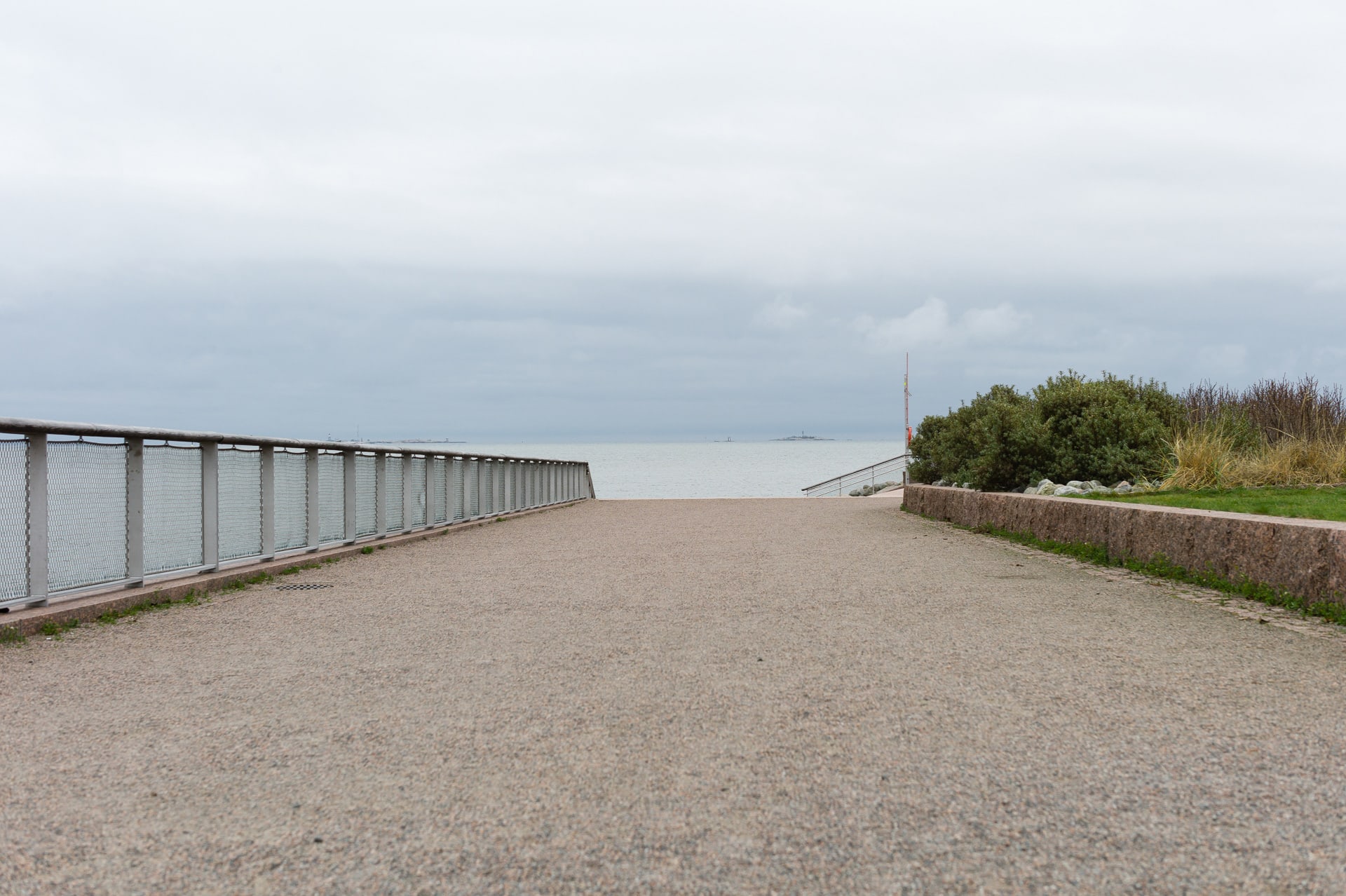
Helsinki
November. The air is cool, sharp. The days are already short at this time of year in northern Europe, and it takes some ingenuity to keep one's body clock awake. Fortunately, there is no shortage of ways to stay alert.
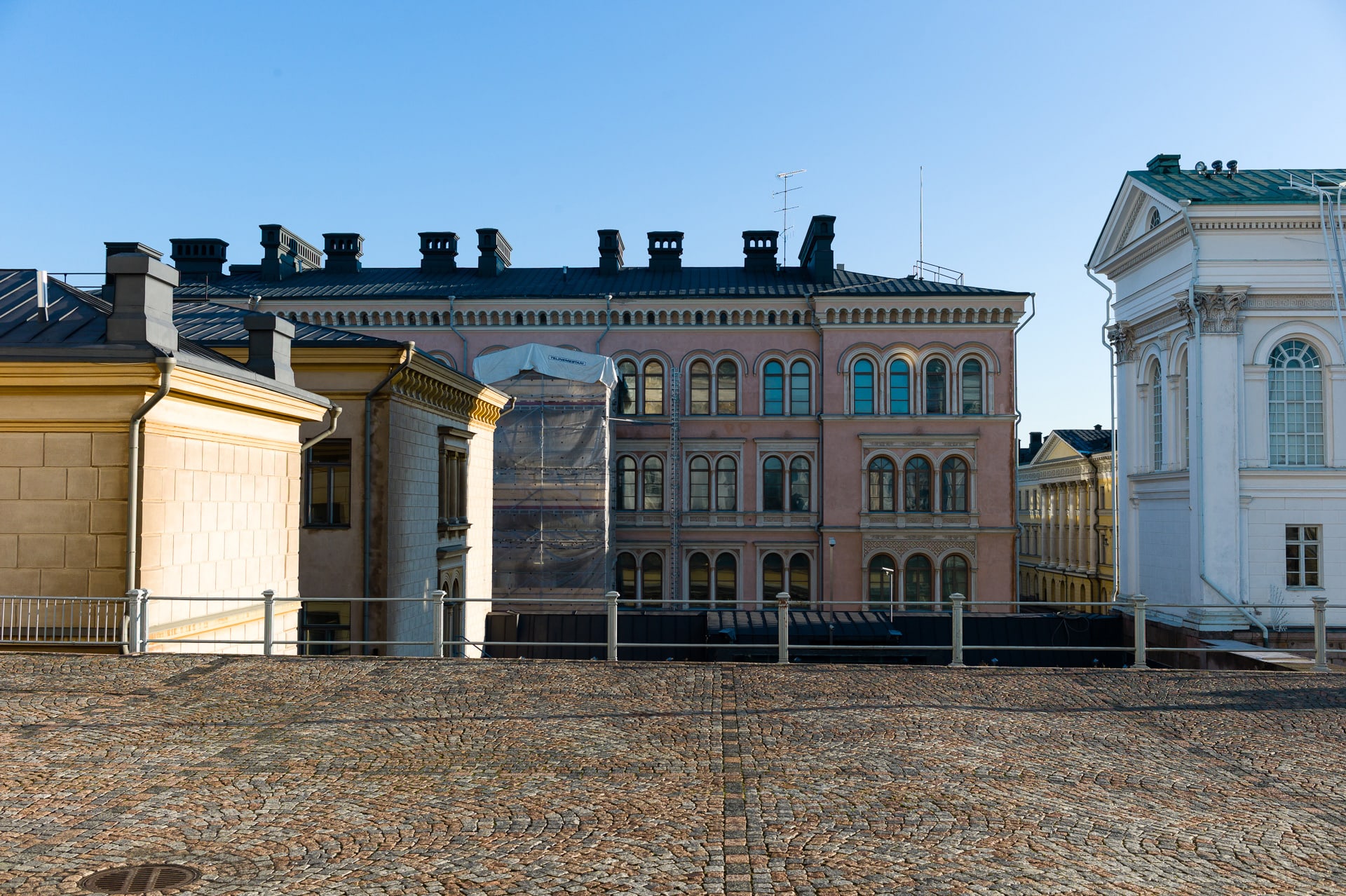
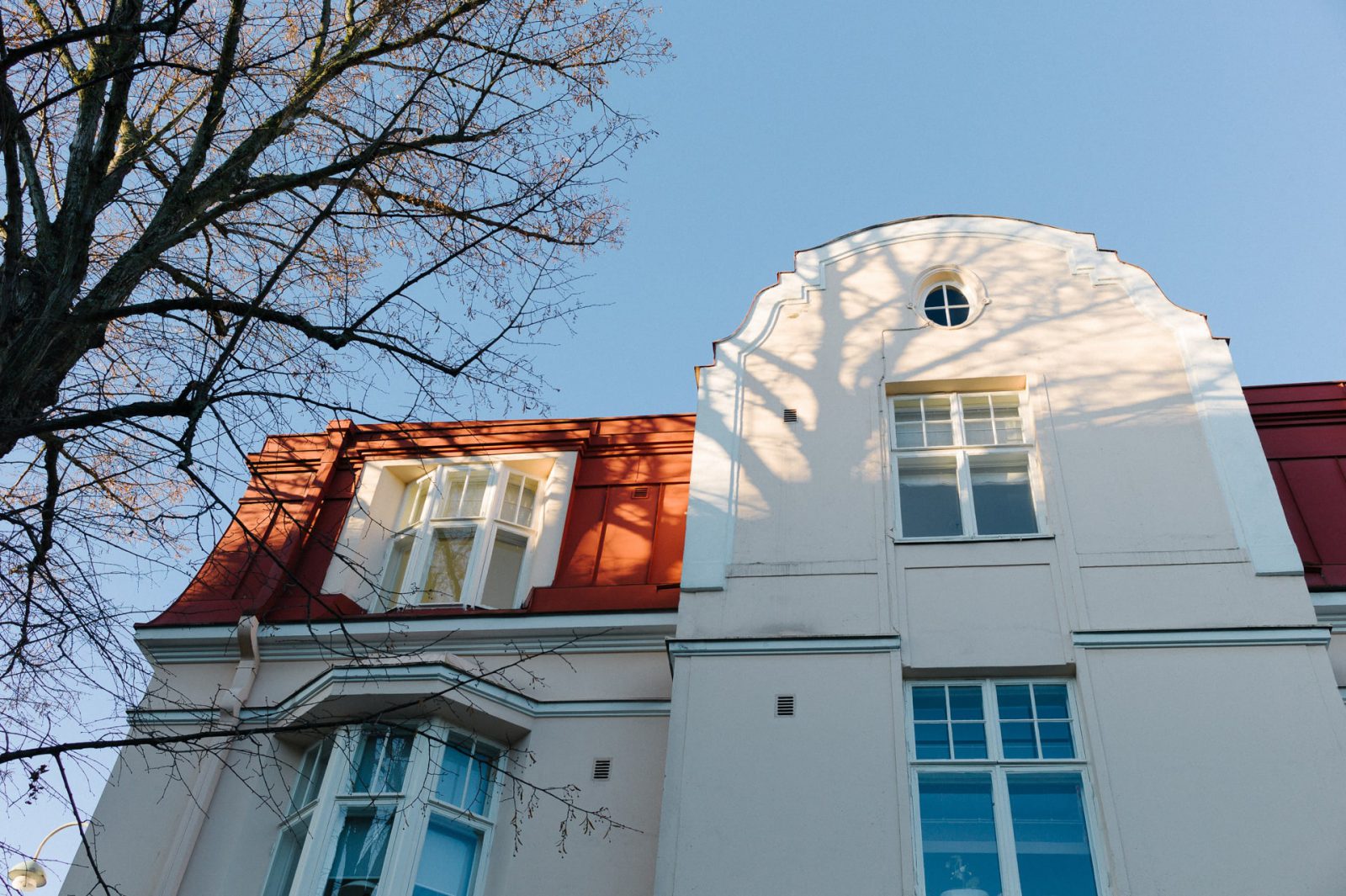
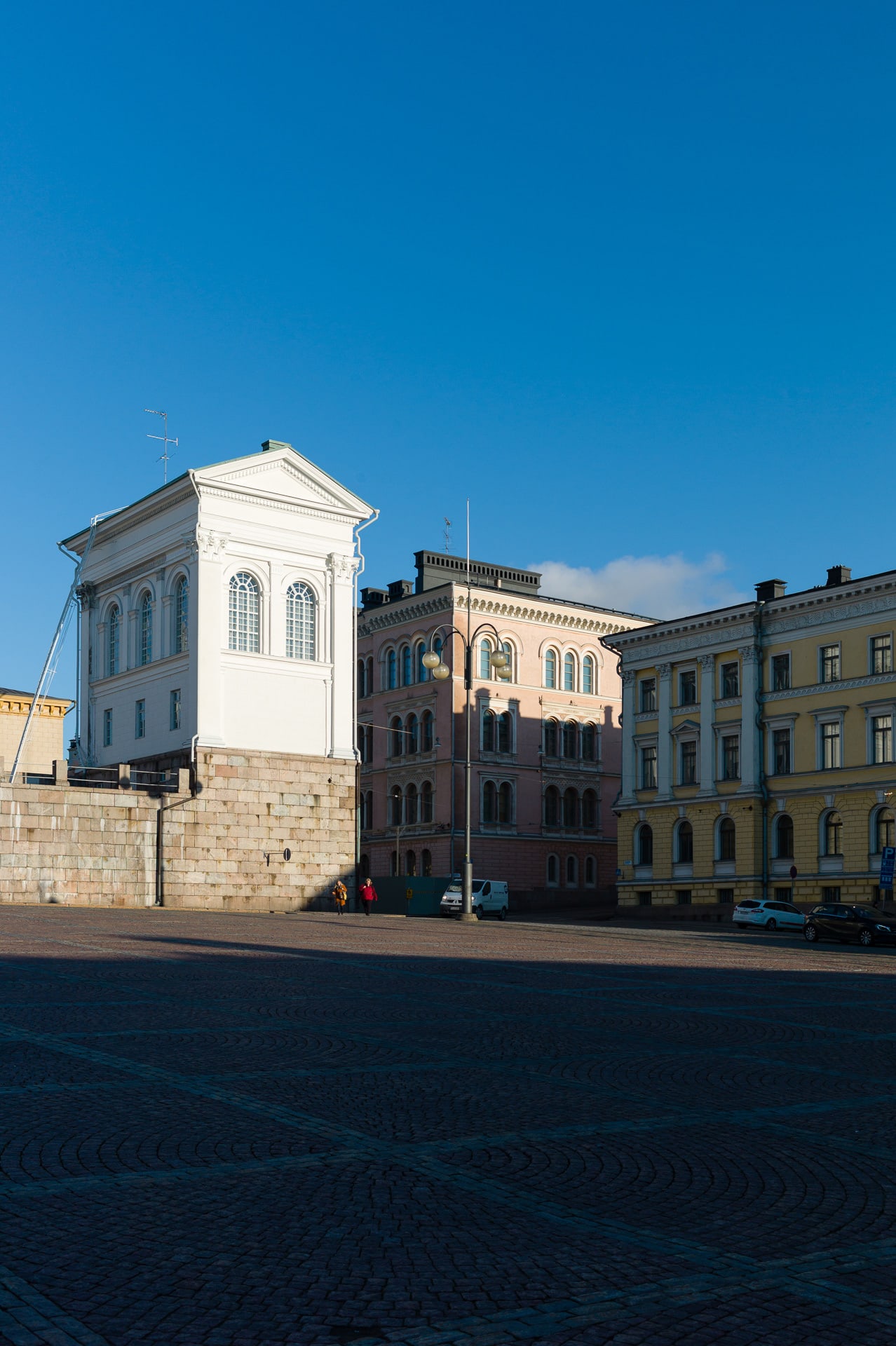
The architecture is broadly marked by a sobriety typical of the Nordic countries, and by a Swedish and Russian past. The city centre, and in particular the setting around Senate Square, forms a remarkable neoclassical ensemble.
Architecture
The city was profoundly reshaped after its annexation by Russia, following an orthogonal plan designed by the architect Carl Ludvig Engel. Senate Square, a monumental neoclassical ensemble, lies at the heart of this plan. It is bordered by the university buildings, the Council of State and the Lutheran cathedral. Nearby stands the Uspenski Cathedral; with its golden domes and red brick façade, it is one of the clearest symbols of Russian influence in Helsinki's history. Designed by the Russian architect Alexey Gornostaev, it is the largest Orthodox cathedral in Western Europe.
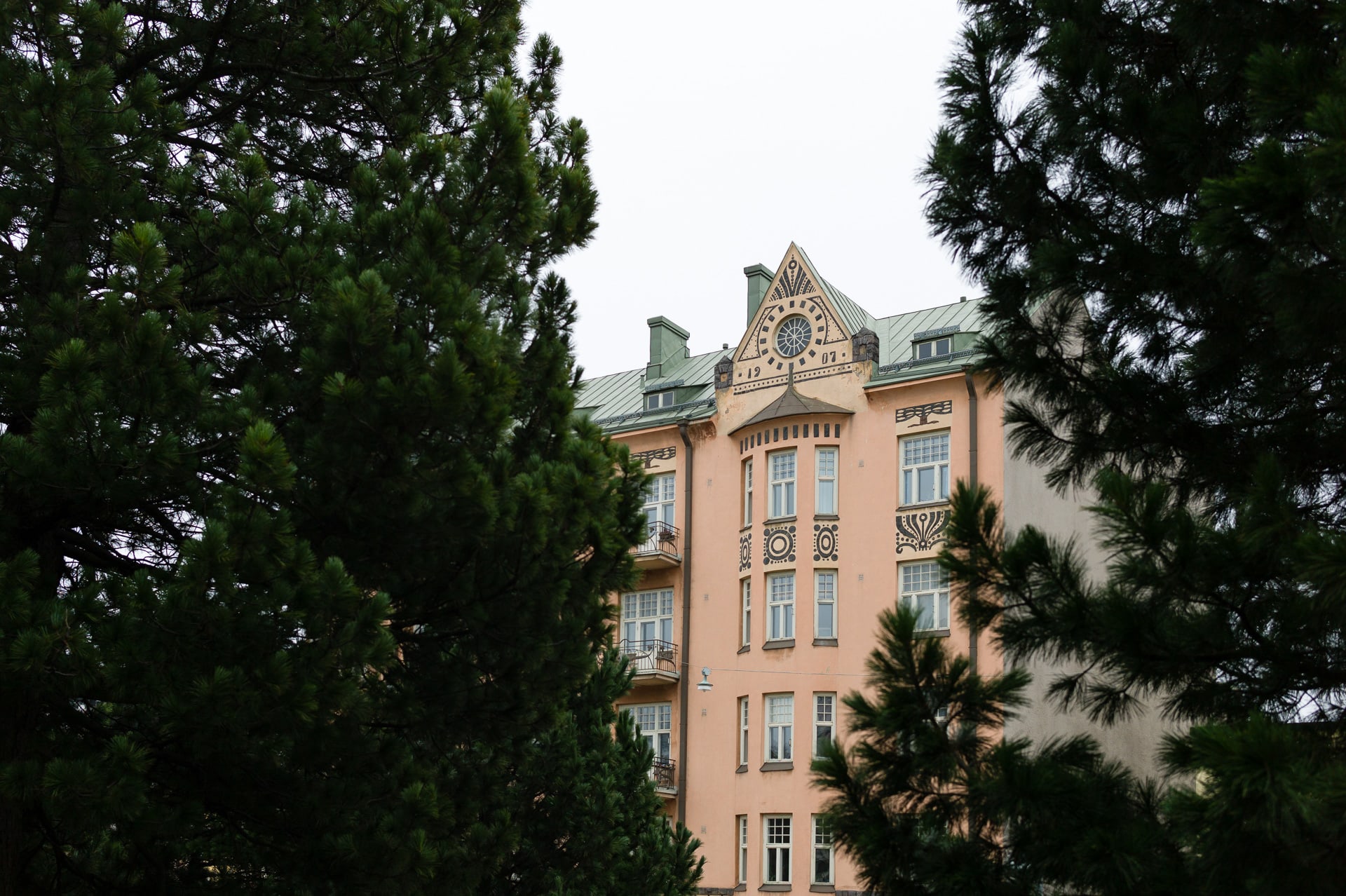
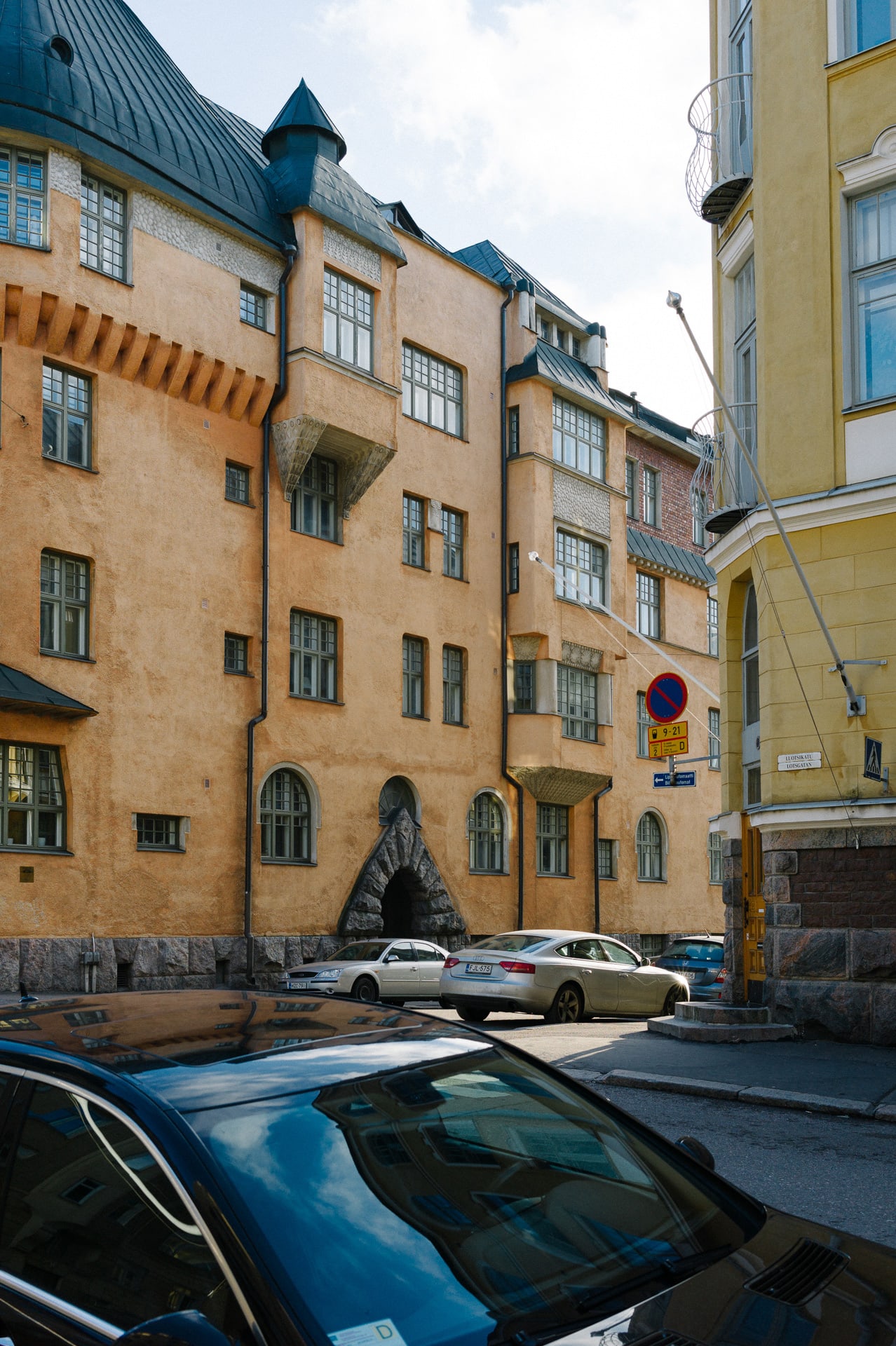
In Finland, Art Nouveau (Jugend) gave rise to a particular interpretation: National Romanticism. This style drew much of its inspiration from the Kalevala, the Finnish national epic, and reached its peak in the early years of the twentieth century. The most famous examples are the National Museum of Finland (by the architecture firm Gesellius Lindgren Saarinen) and the National Theatre (Onni Tarjanne). Late Art Nouveau is majestically represented by the Central Station (Eliel Saarinen), Nordic neoclassicism of the 1920s by the Parliament House (J. S. Sirén), functionalism by the Olympic Stadium (1938) and the Glass Palace (Lasipalatsi, 1935).
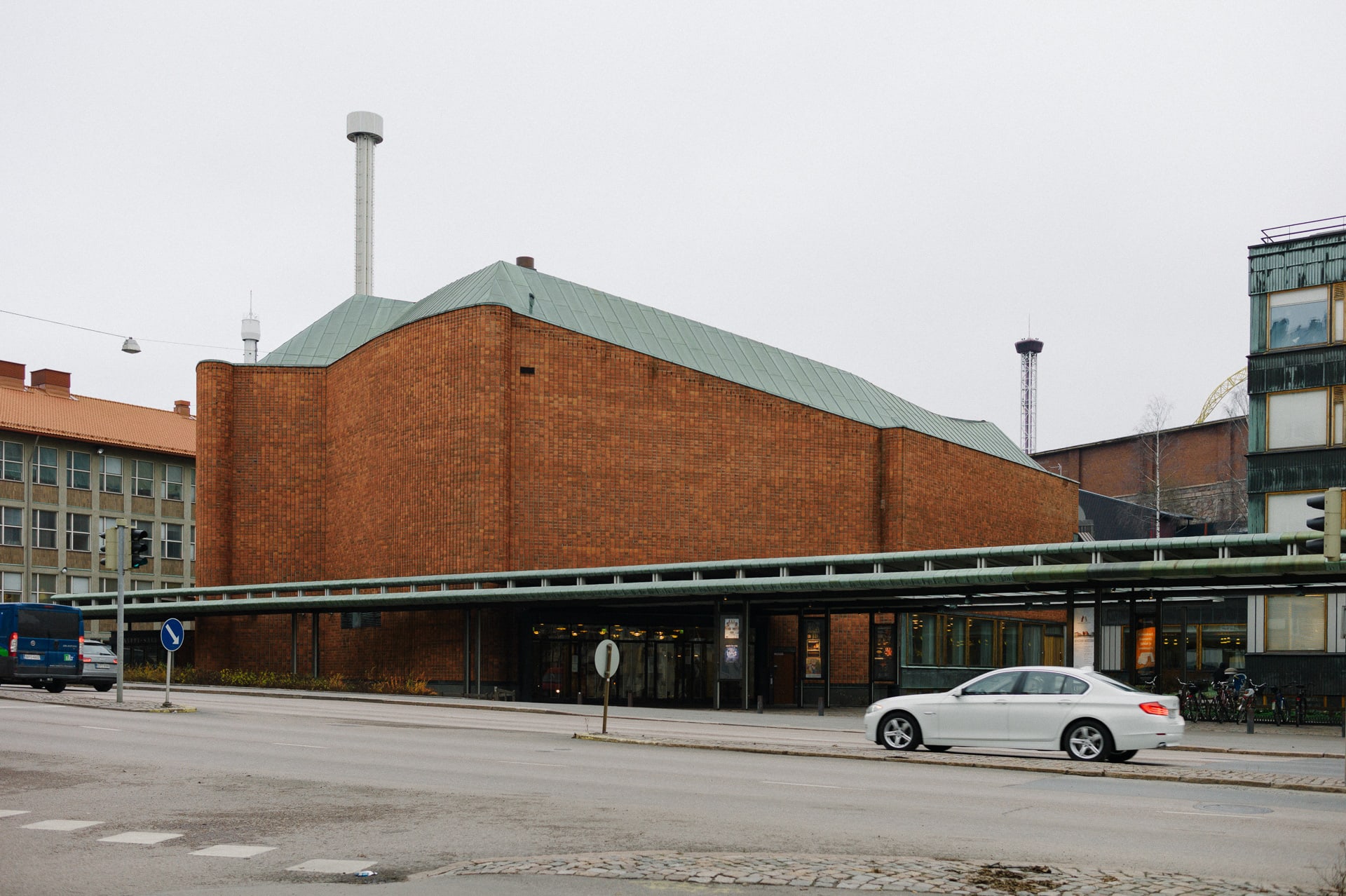
The modern architect Alvar Aalto created some world-renowned works in Helsinki. He played an important role as an urban planner in Finland after the war. From the late 1920s, he set himself apart from his contemporaries (Gropius, Le Corbusier, Breuer), whose rationalism relied on industrial materials such as steel and glass, which he found too cold. He proposed a more humanist vision, closer to nature, and made plywood his material of choice. At once functional and appealing, this design immediately signalled the new path opened by the use of plywood and the emergence of a vocabulary of softer, warmer forms.
There is also interesting wooden architecture; the most recent works are the Kamppi Chapel of Silence and the Culture Sauna (2012). Worth noting too are the Temppeliaukio Church (1969), carved deep into the rock (Timo and Tuomo Suomalainen), and the Kiasma museum of contemporary art (1998), designed by the American Steven Holl. The Music Centre (2011), designed by the LPR architecture firm next to the Finlandia Hall, and the Kaisa House (2012), the award-winning glass building of the University's main library, designed by Anttinen Oiva Arkkitehdit Oy.
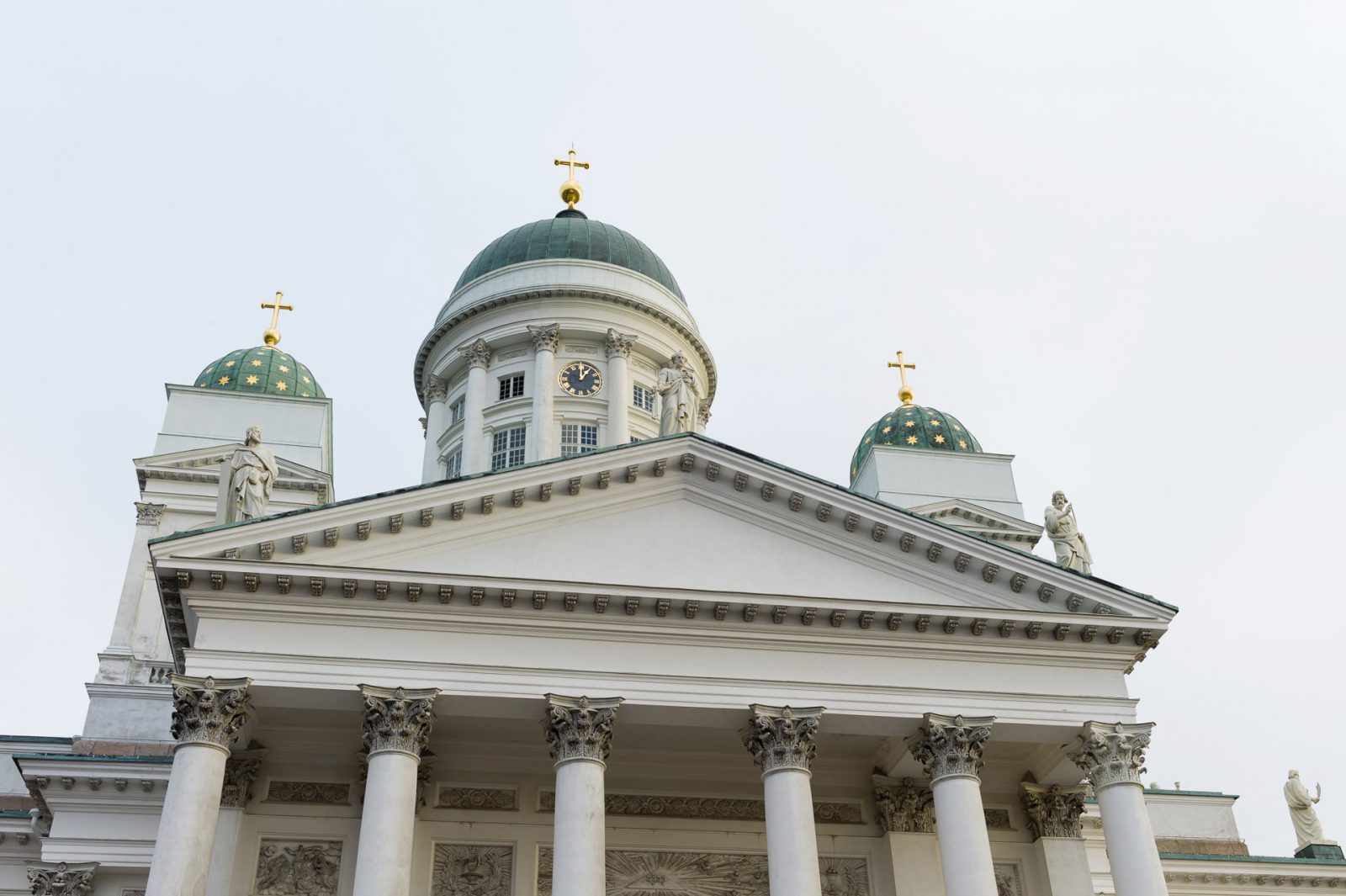
The Evangelical Lutheran Cathedral, Senate Square. Designed and refined over a decade by the architect Carl Ludvig Engel, built between 1830 and 1852.
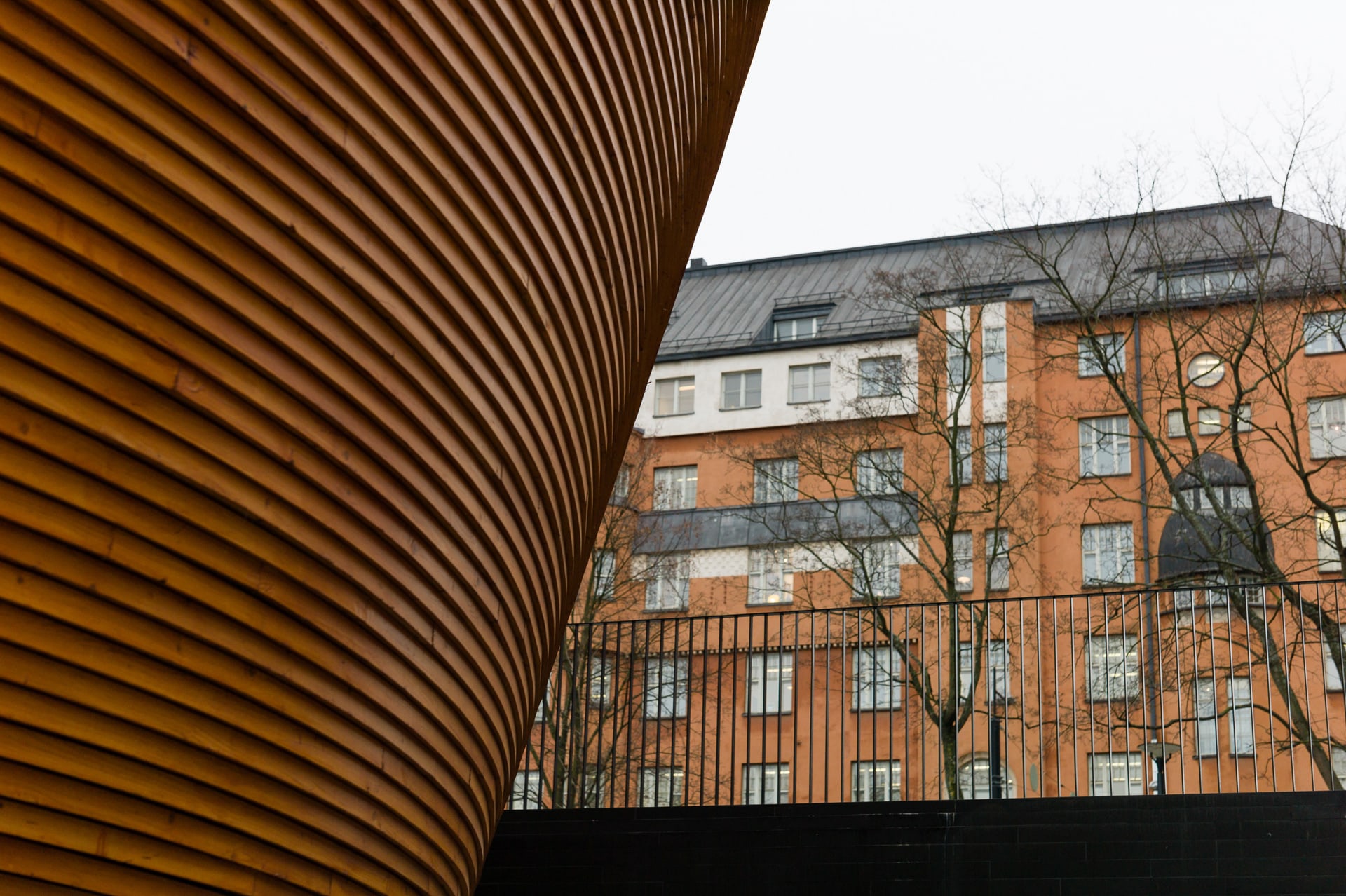
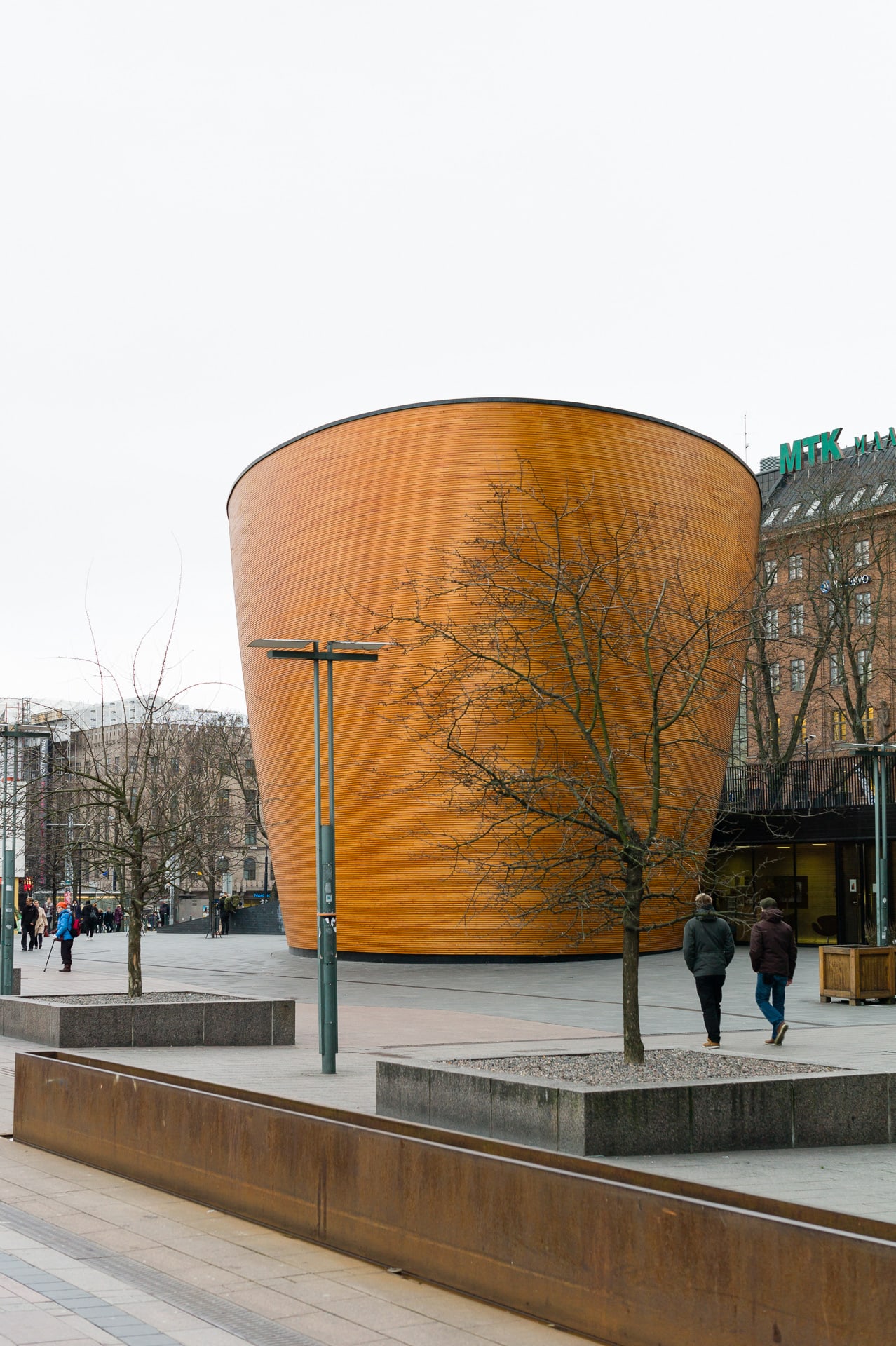
The Kamppi Chapel of Silence, designed by Mikko Summanen, on Narinkka Square, in the heart of a shopping district considered one of the noisiest in Finland. Inside, an absolute silence suited to contemplation, and the chance to break the rhythm.
Quality of life
The city took first place in the 2011 survey published by Monocle magazine on the capitals offering the best quality of life.
The magazine praised Helsinki for its fundamental courage to rethink its urban ambitions, and for possessing the talent, ideas and guts to pull it off.
Tyler Brûlé, Monocle's editor-in-chief, explained the ranking criteria: we decided it was time for a new strategy, describing how the survey shifted its emphasis that year. The 2011 results focus not only on the nuts and bolts of the city, but also on the end product.
The Quality of Life survey placed particular emphasis on cities that don't shut down at 10pm, on their balance between old-fashioned architecture and forward planning, and on ongoing criteria such as the amount of outdoor seating, the area of green space and the hours of sunshine.
Brûlé added that Helsinki was on a very good path: a low crime rate, reasonable unemployment figures, an education system that rivals the most advanced in the field, and a culinary culture of striking vitality; while the spirit of enterprise and innovation runs deep in the corporate culture of Finland, a young country rich in talent and technical skill. What is more, Helsinki is equipped with infrastructure and amenities that generally work wonderfully well.
November
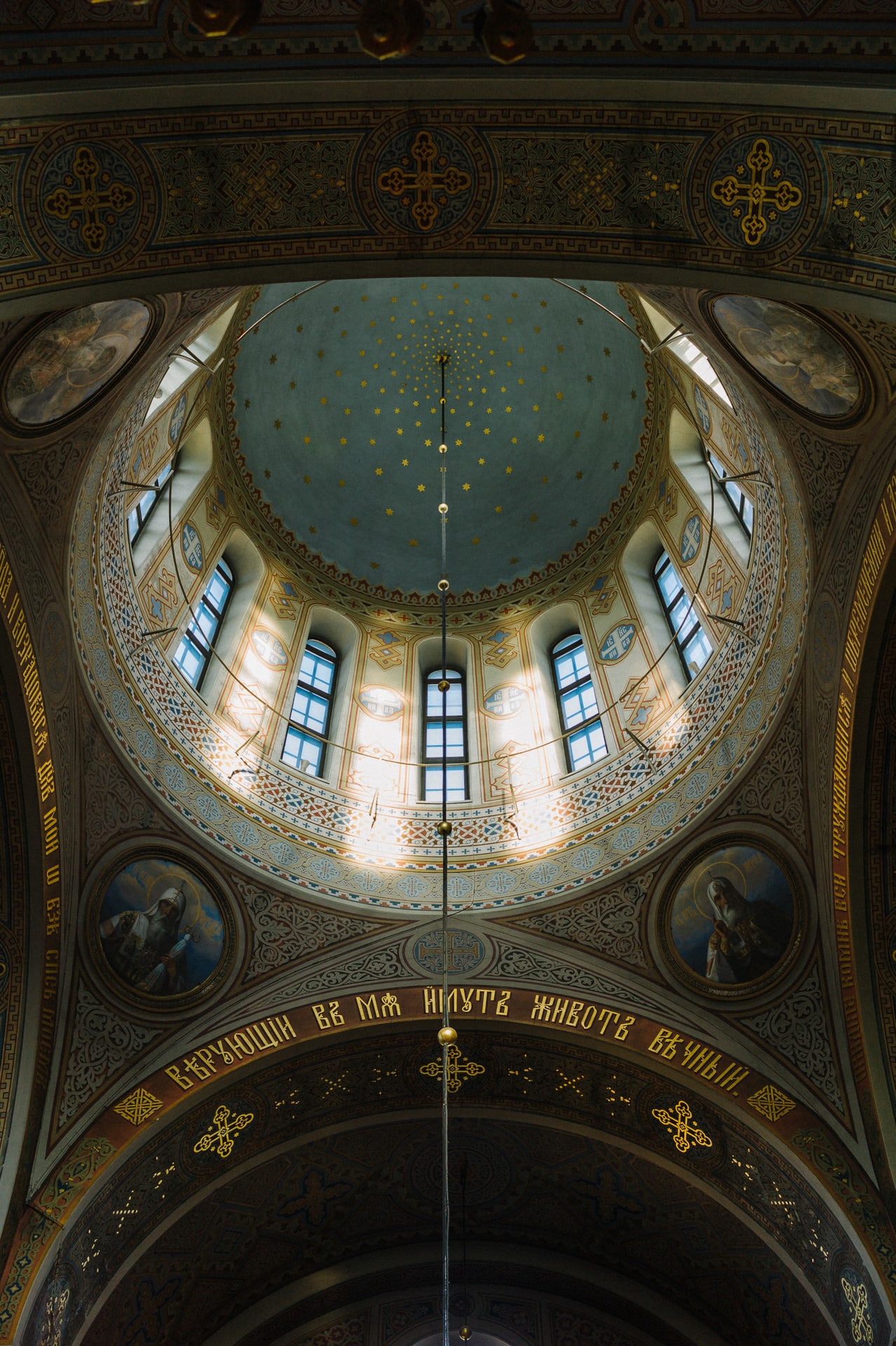
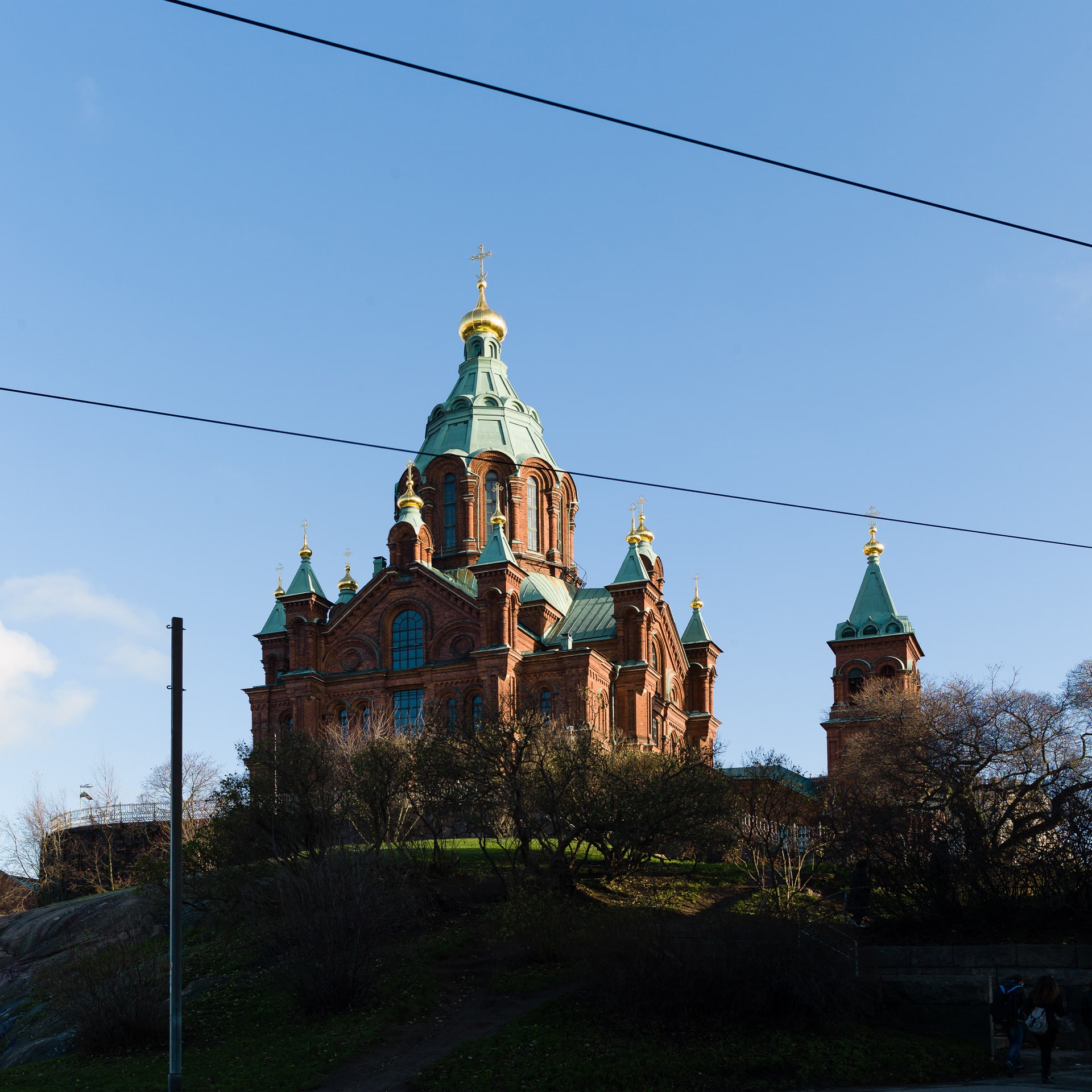
The Uspenski Cathedral, designed by the Russian architect Alexey Gornostaev, is the largest Orthodox cathedral in Western Europe. With its golden domes and red brick façade, it is one of the clearest symbols of Russian influence in Helsinki's history. Built on the orders of Emperor Alexander II of Russia between 1862 and 1868, it stands close to the city centre, on a hill of the Katajanokka peninsula.
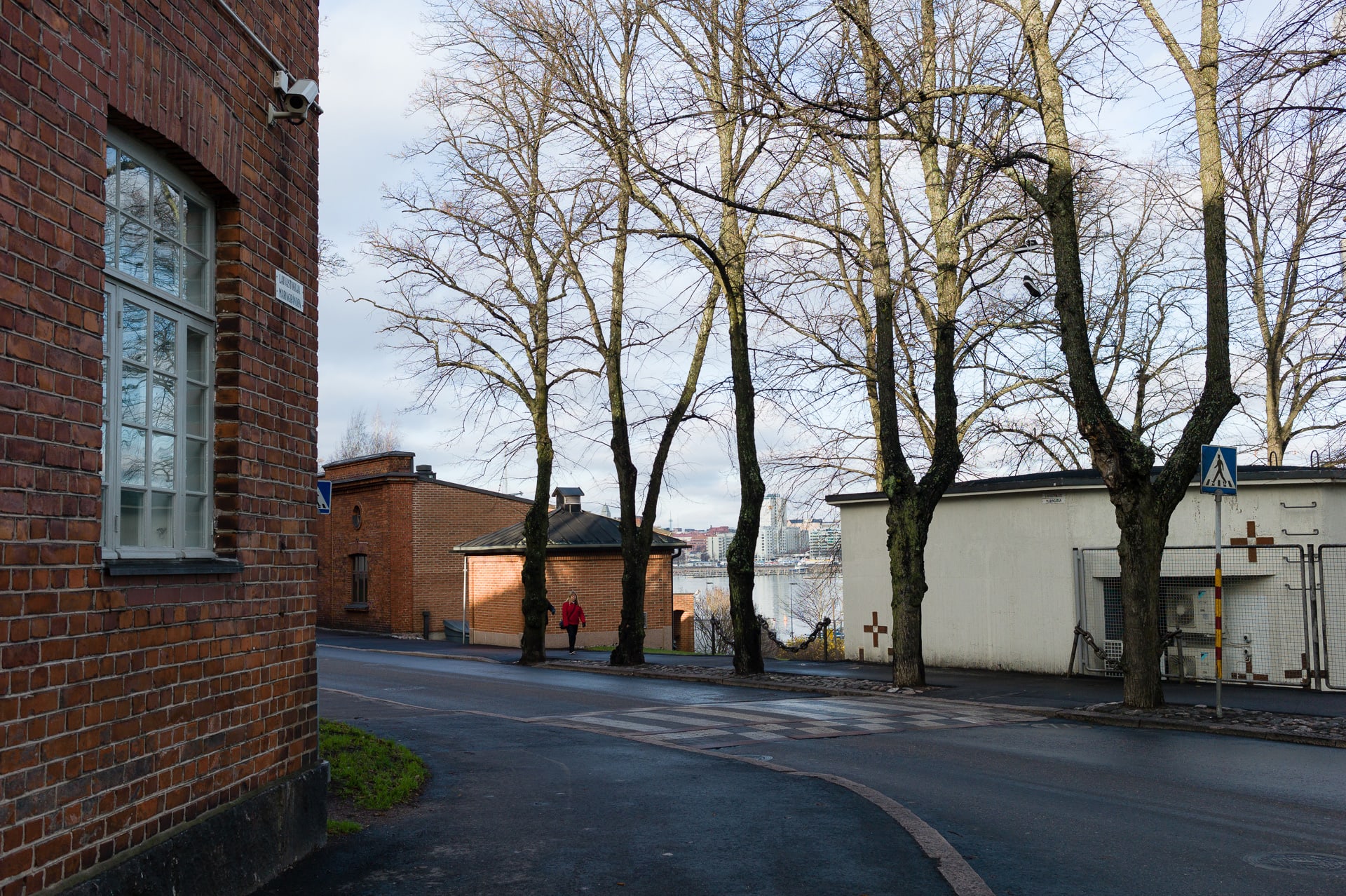
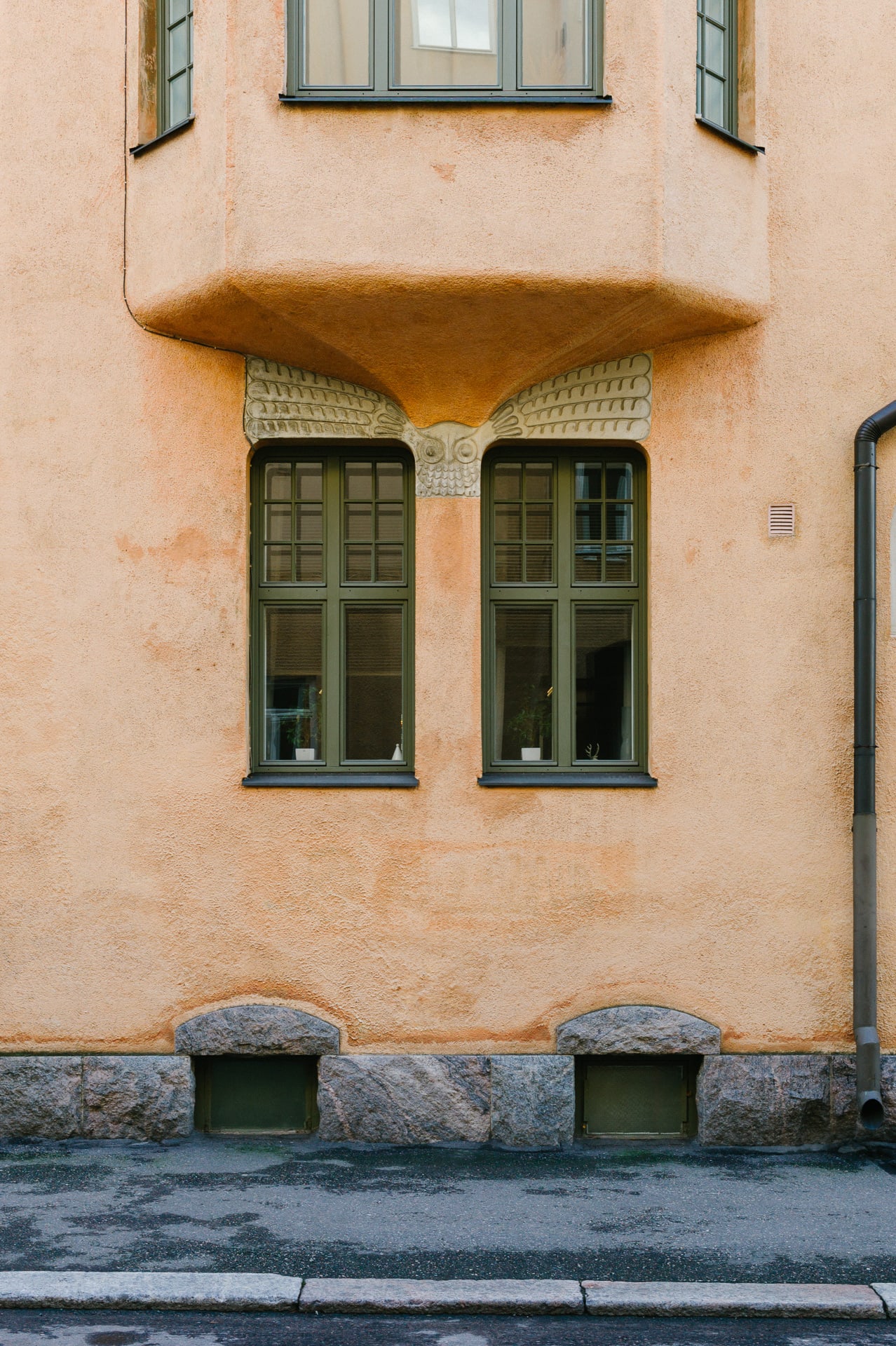
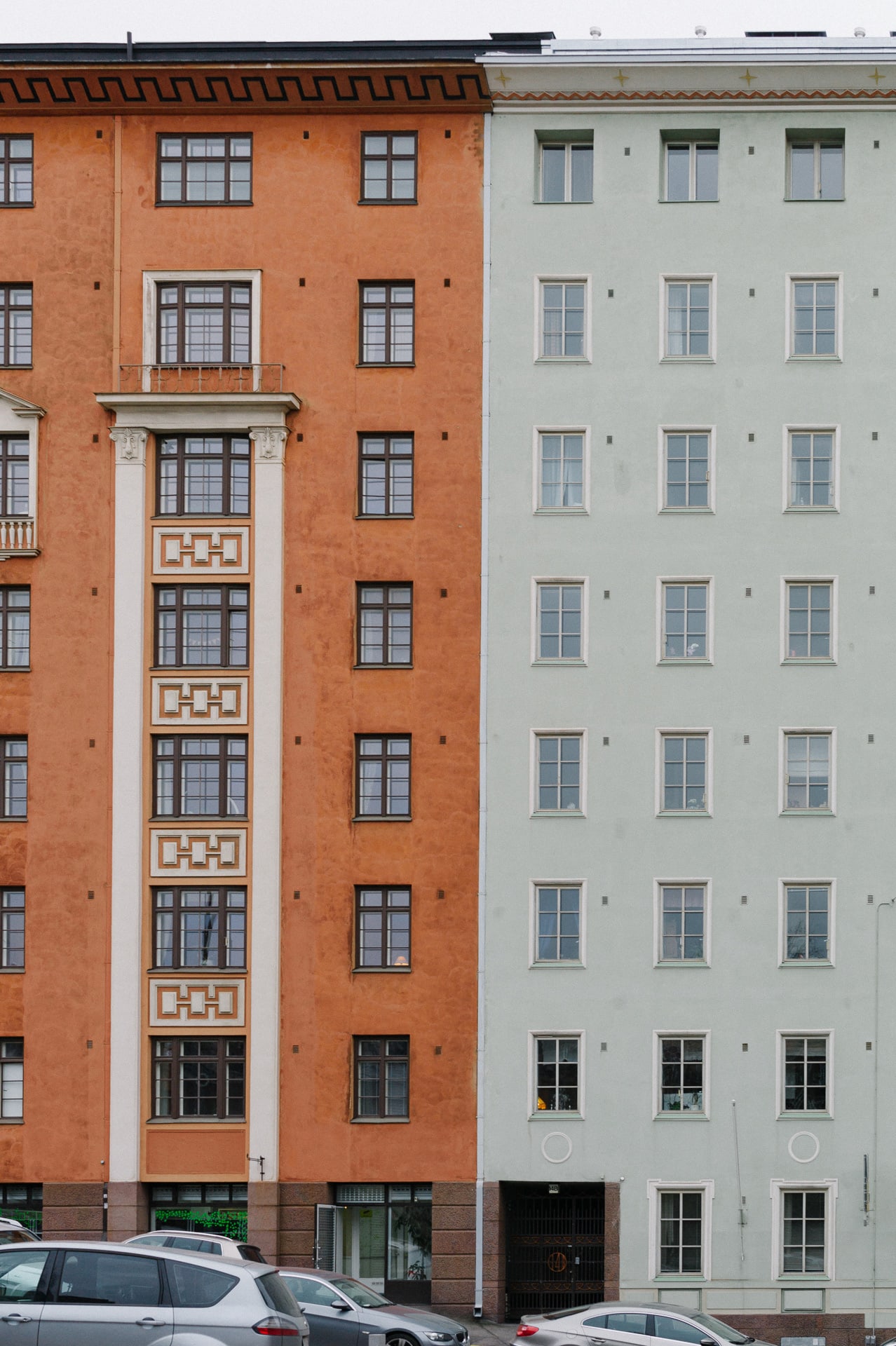
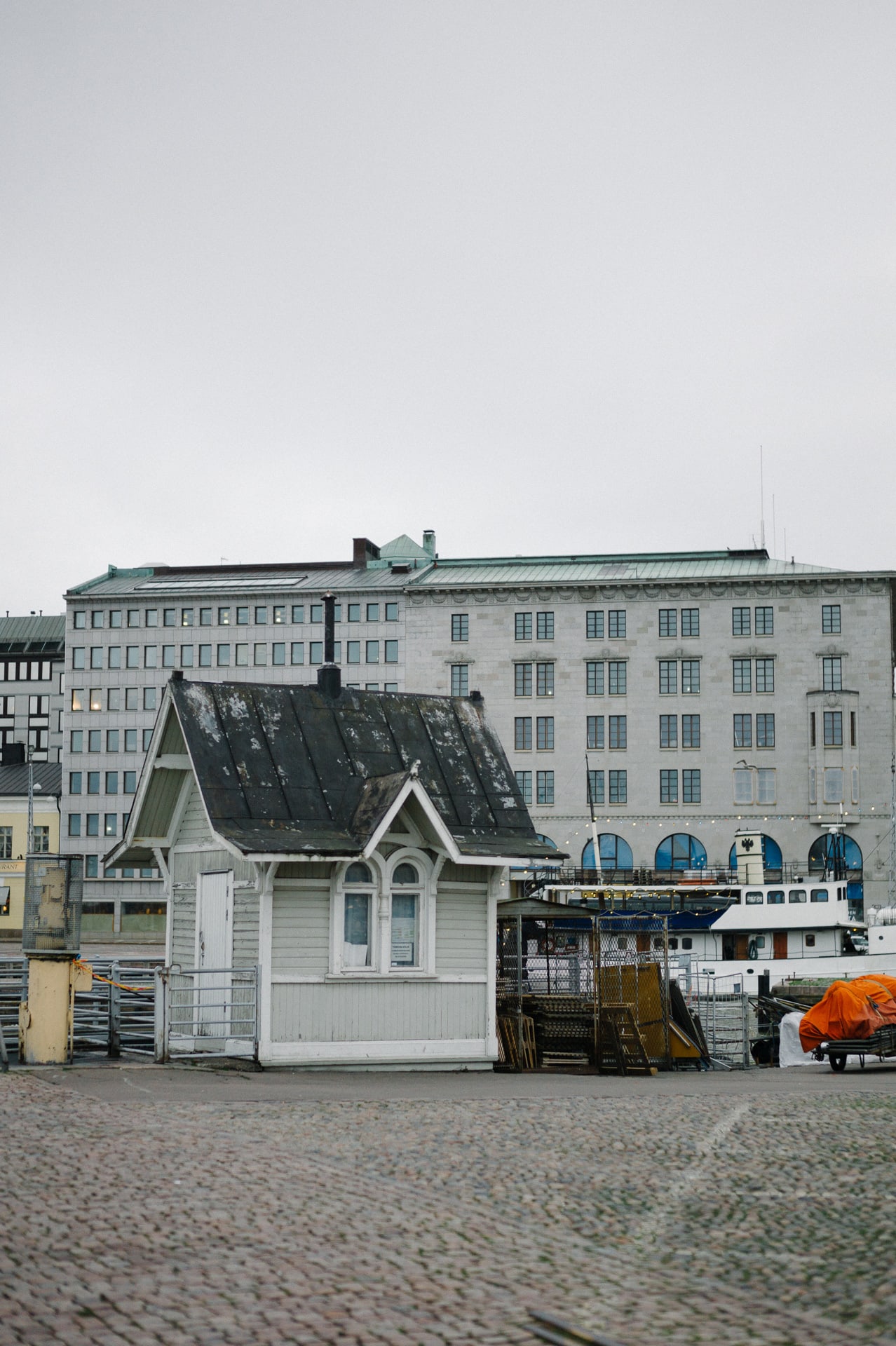
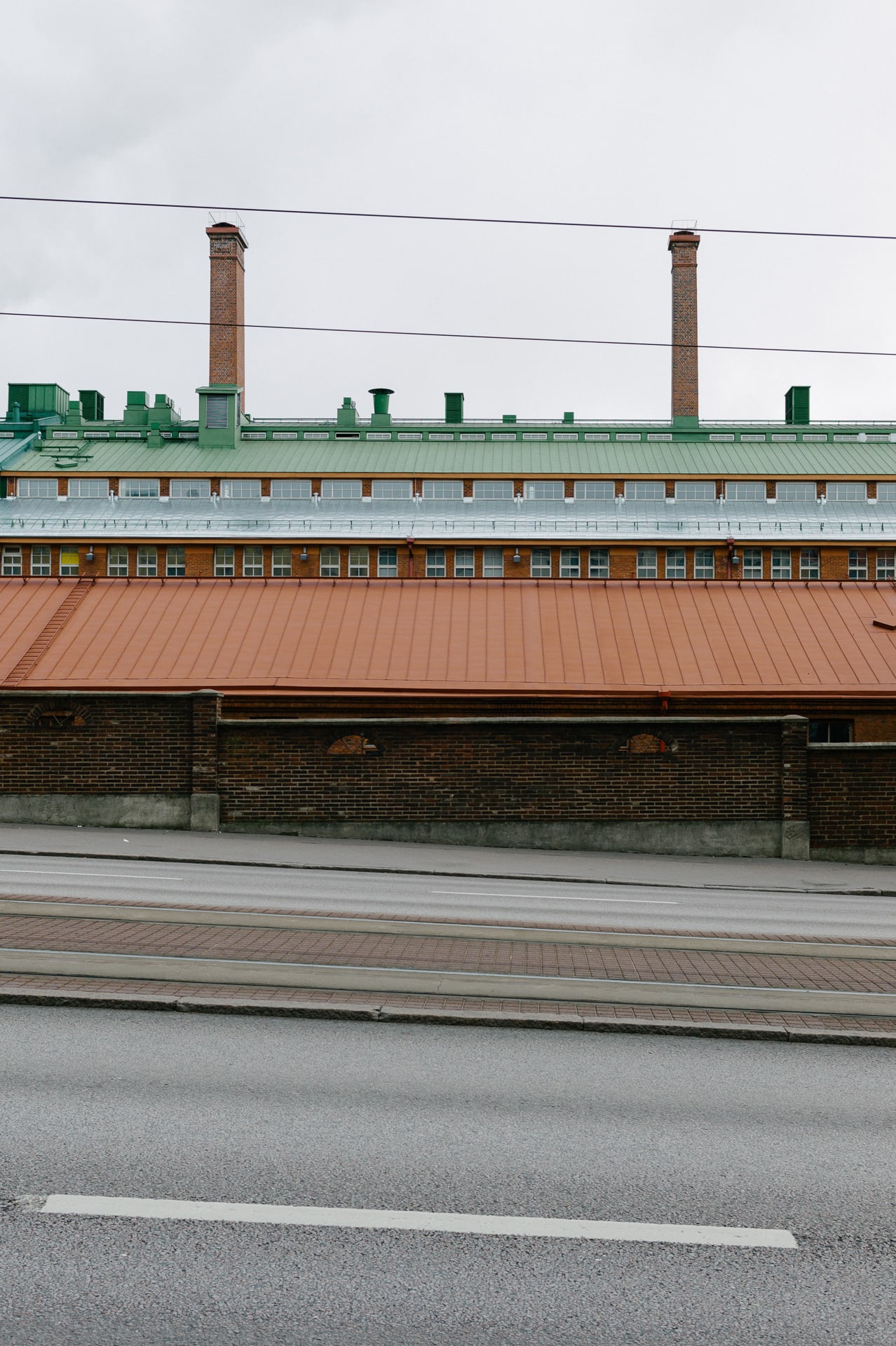
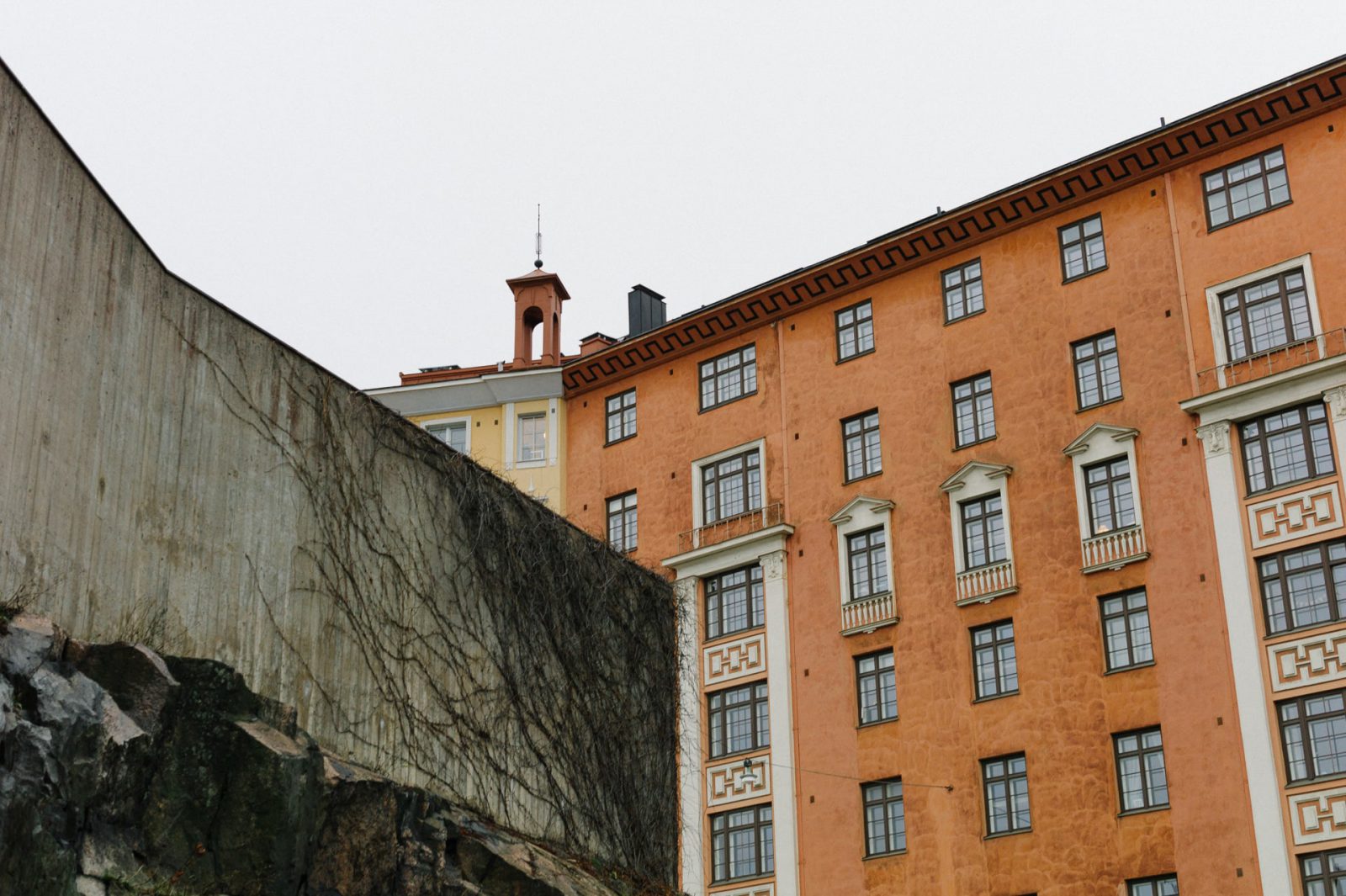
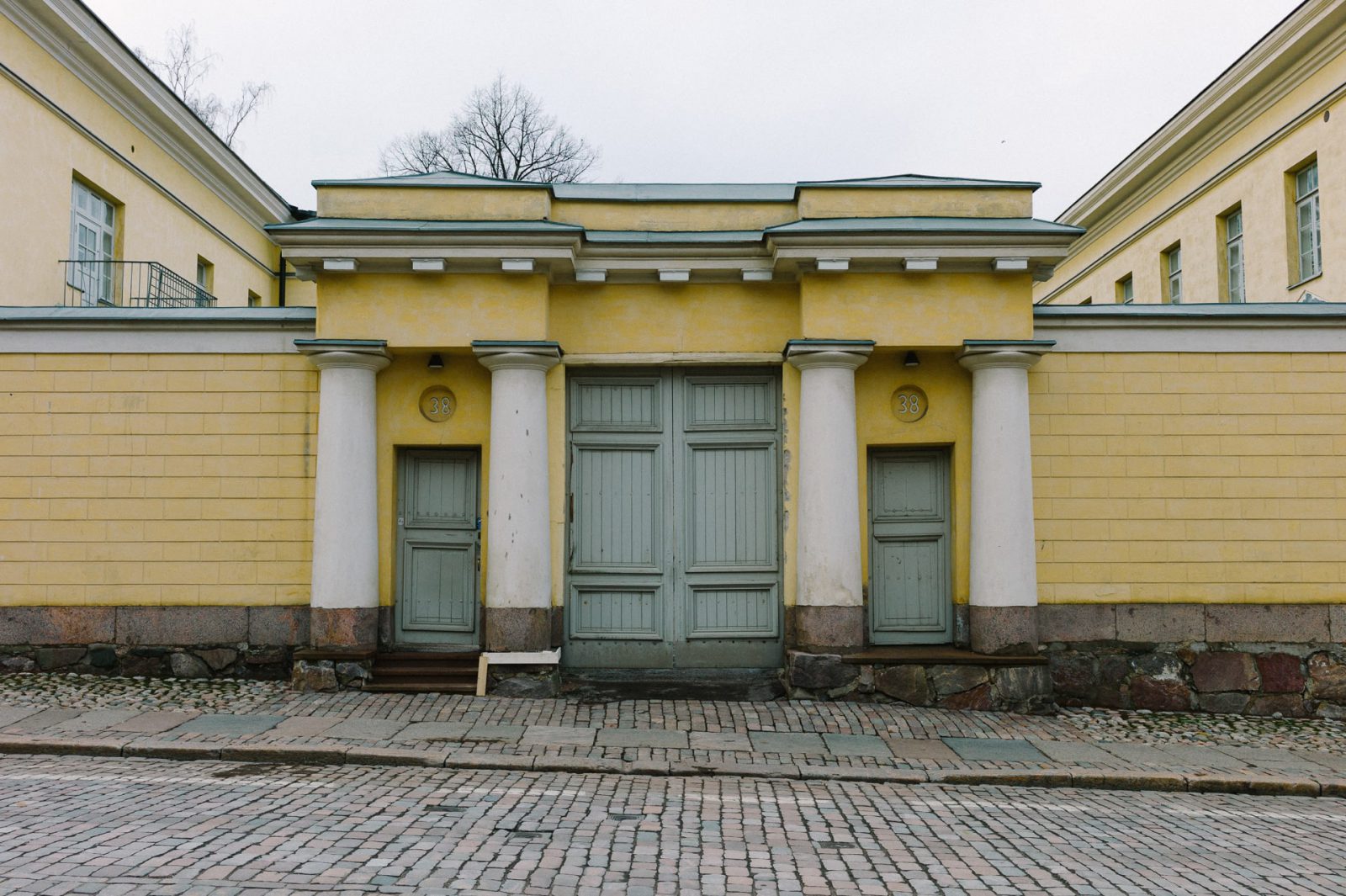
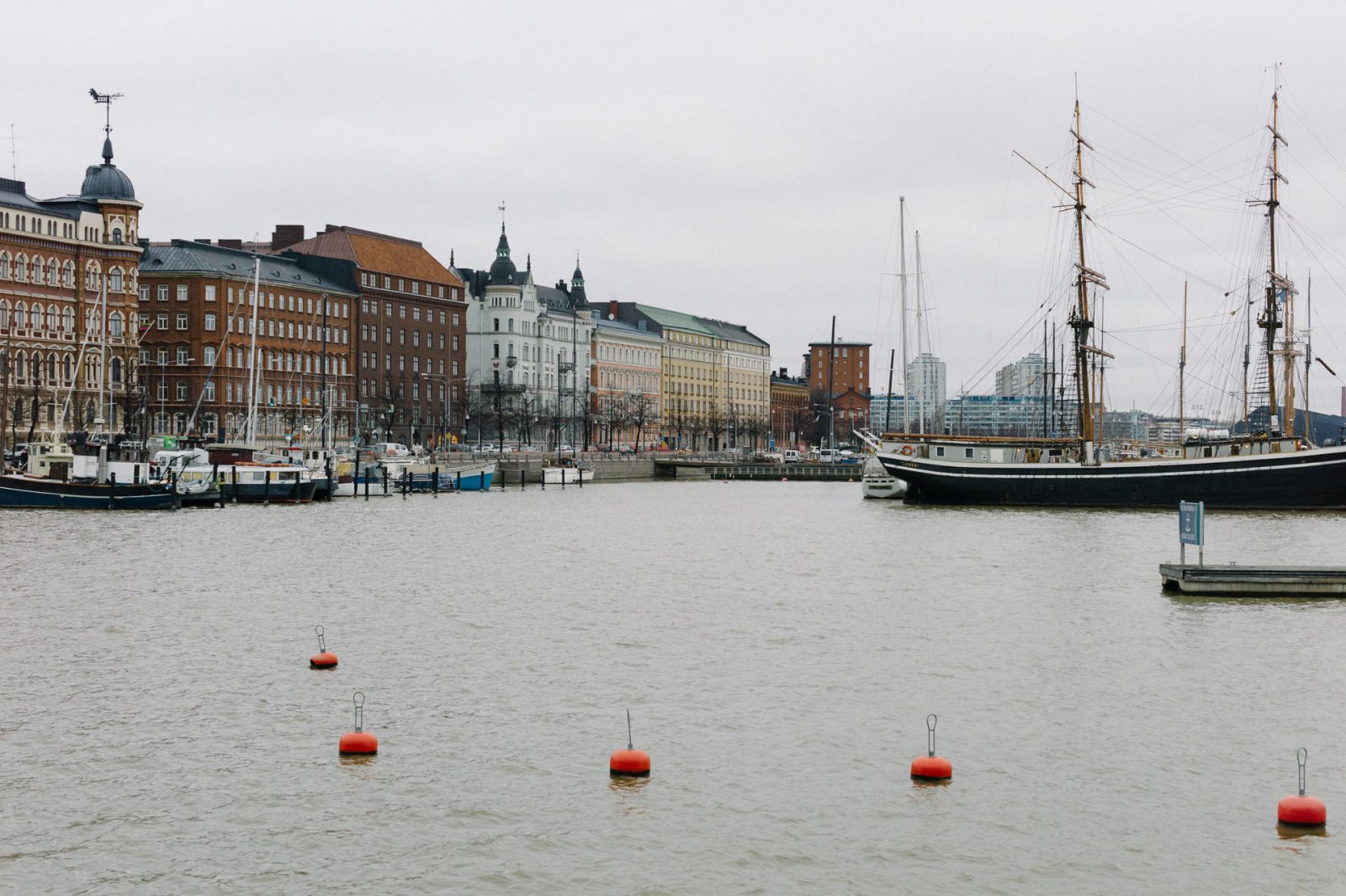
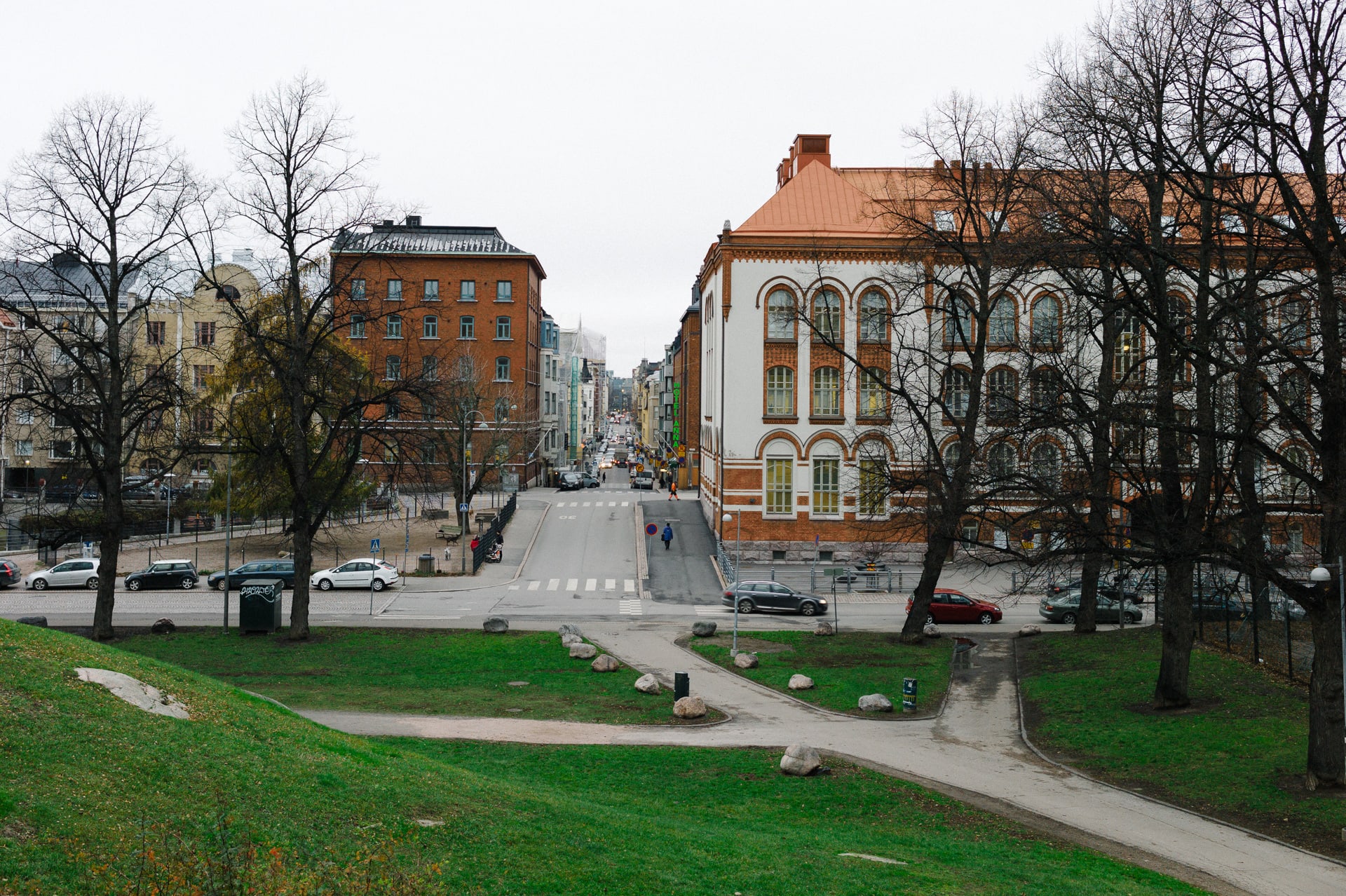
The revealing layers of the Swedish past, the Russian period and the Finnish phase can be read easily on the buildings.
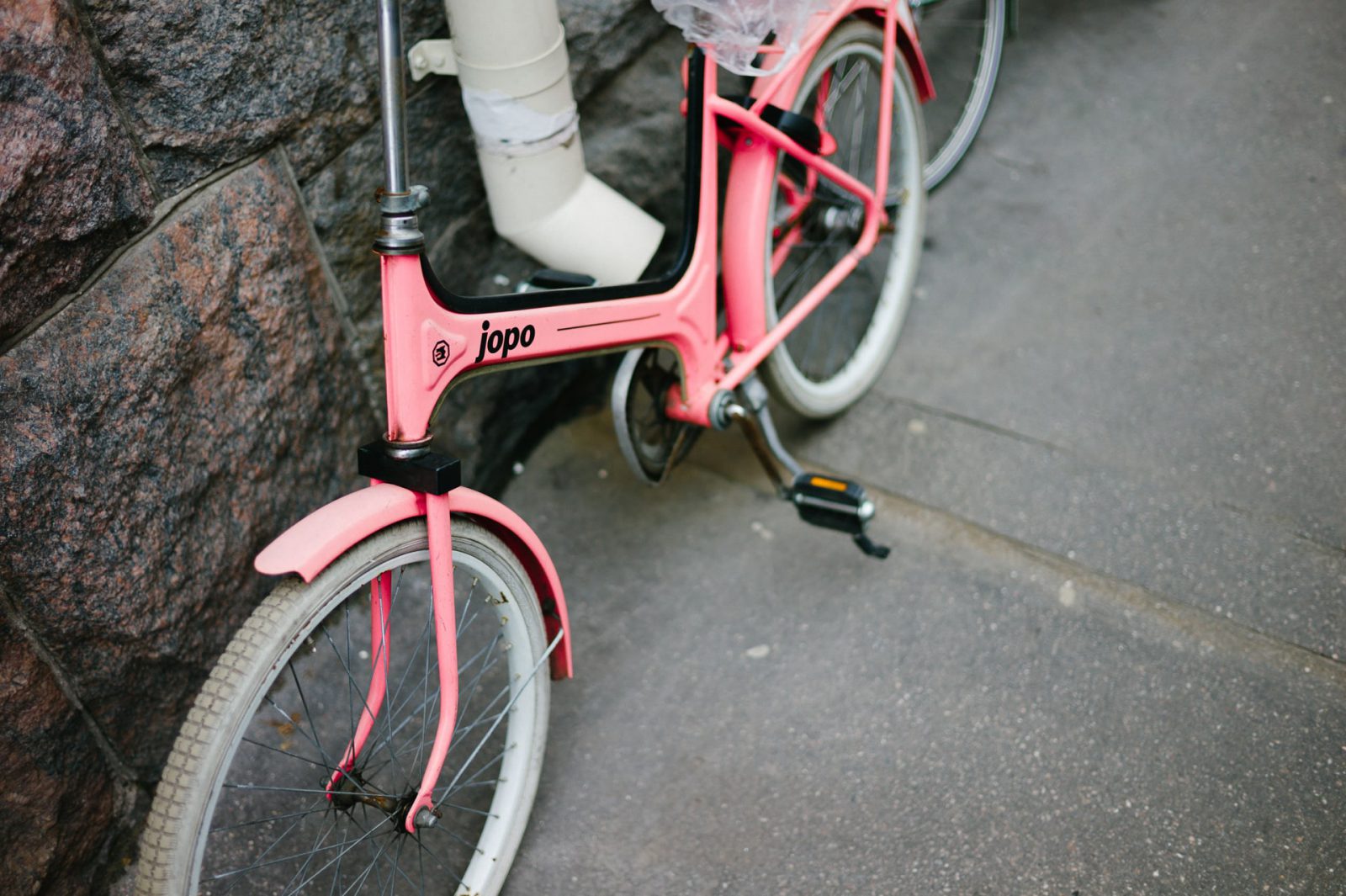
The Jopo bicycles, regarded as cult objects in Finland for over fifty years. The word Jopo comes from a contraction meaning everyone's bike (jokaisen polkupyörä).
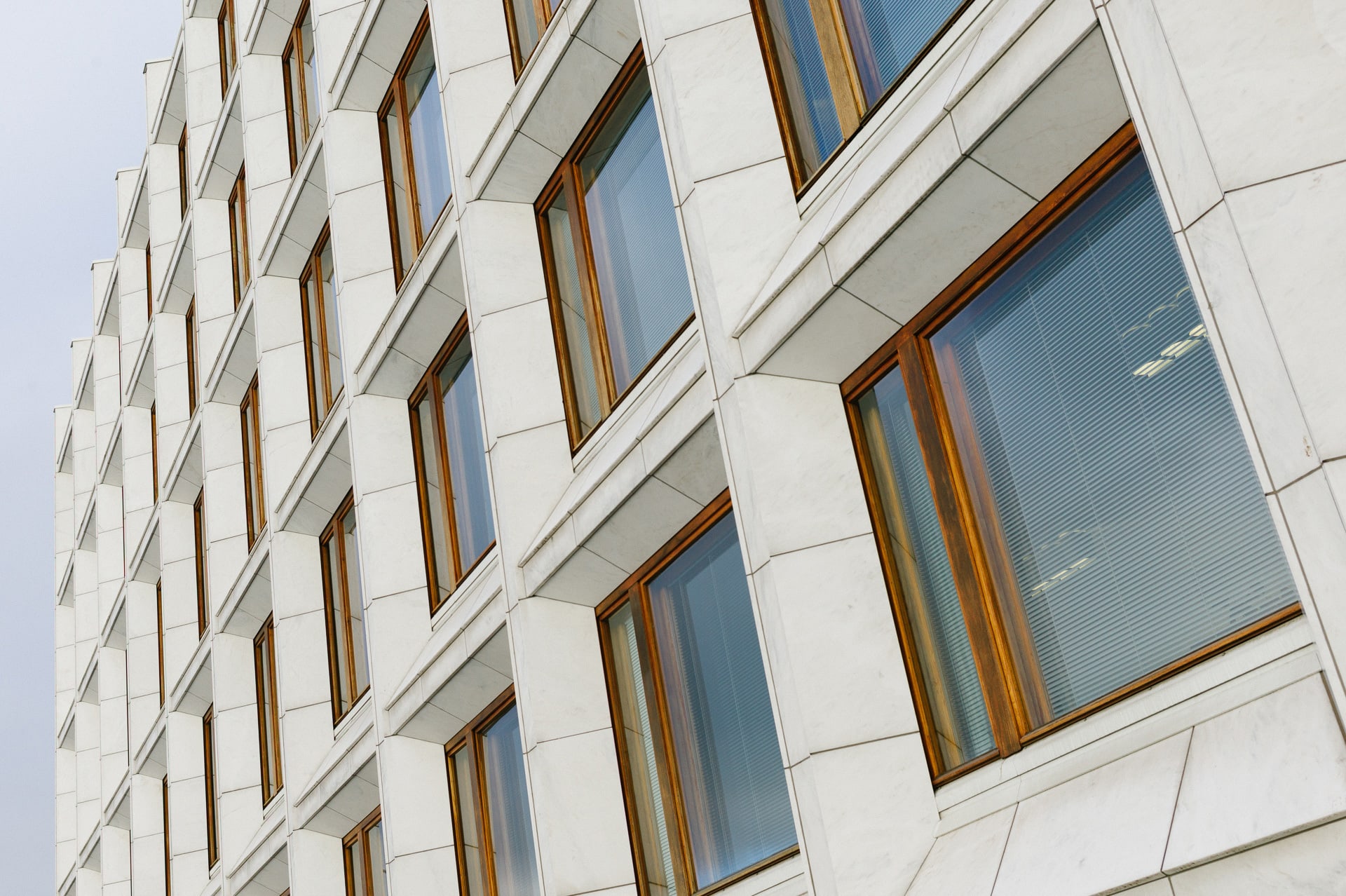
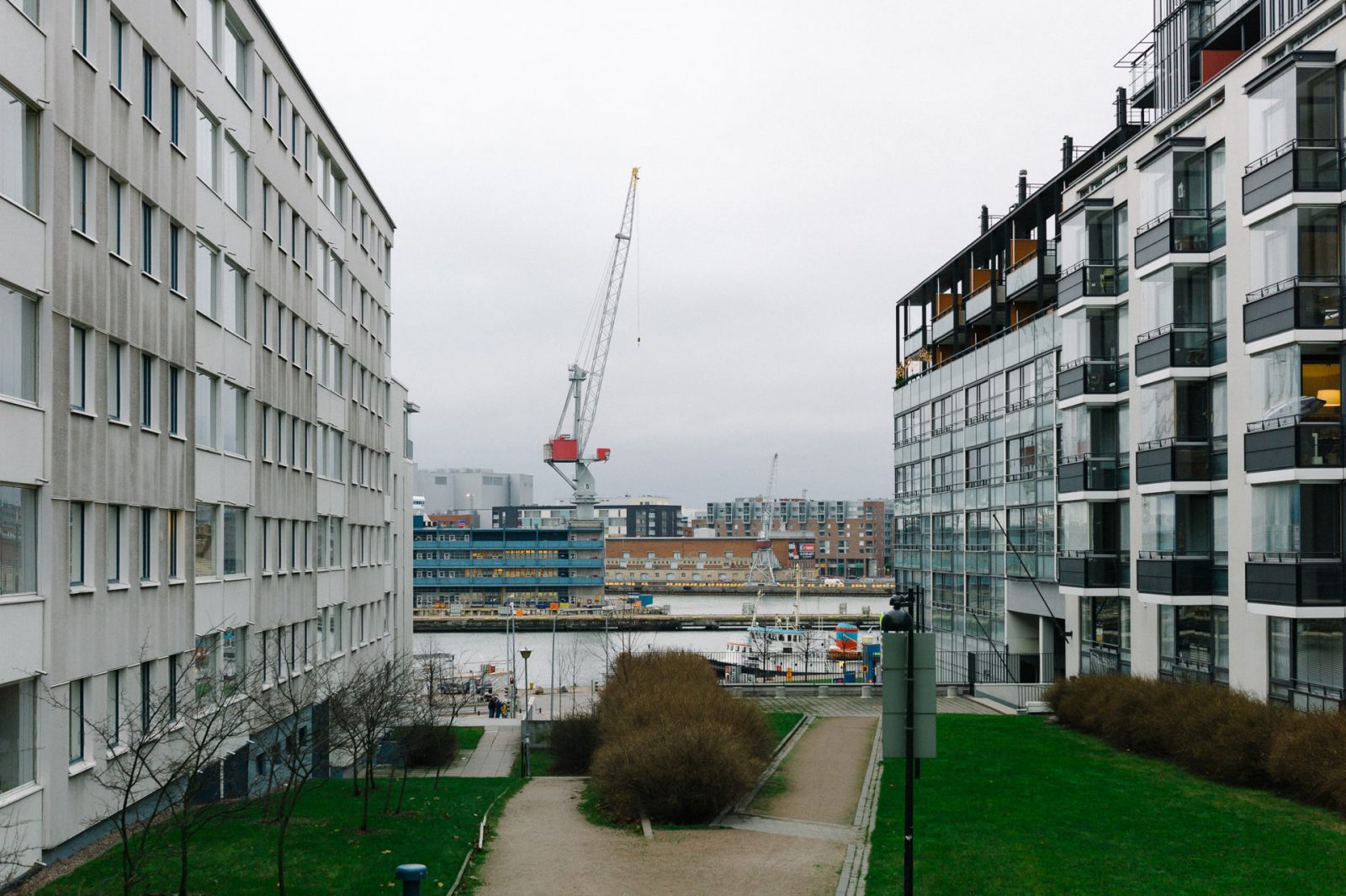
"We should work for simple, good, undecorated things, but things which are in harmony with the human being and organically suited to the little man in the street."
—
Leica M9, Summilux 1.4 35mm, Summilux 1.4 50mm