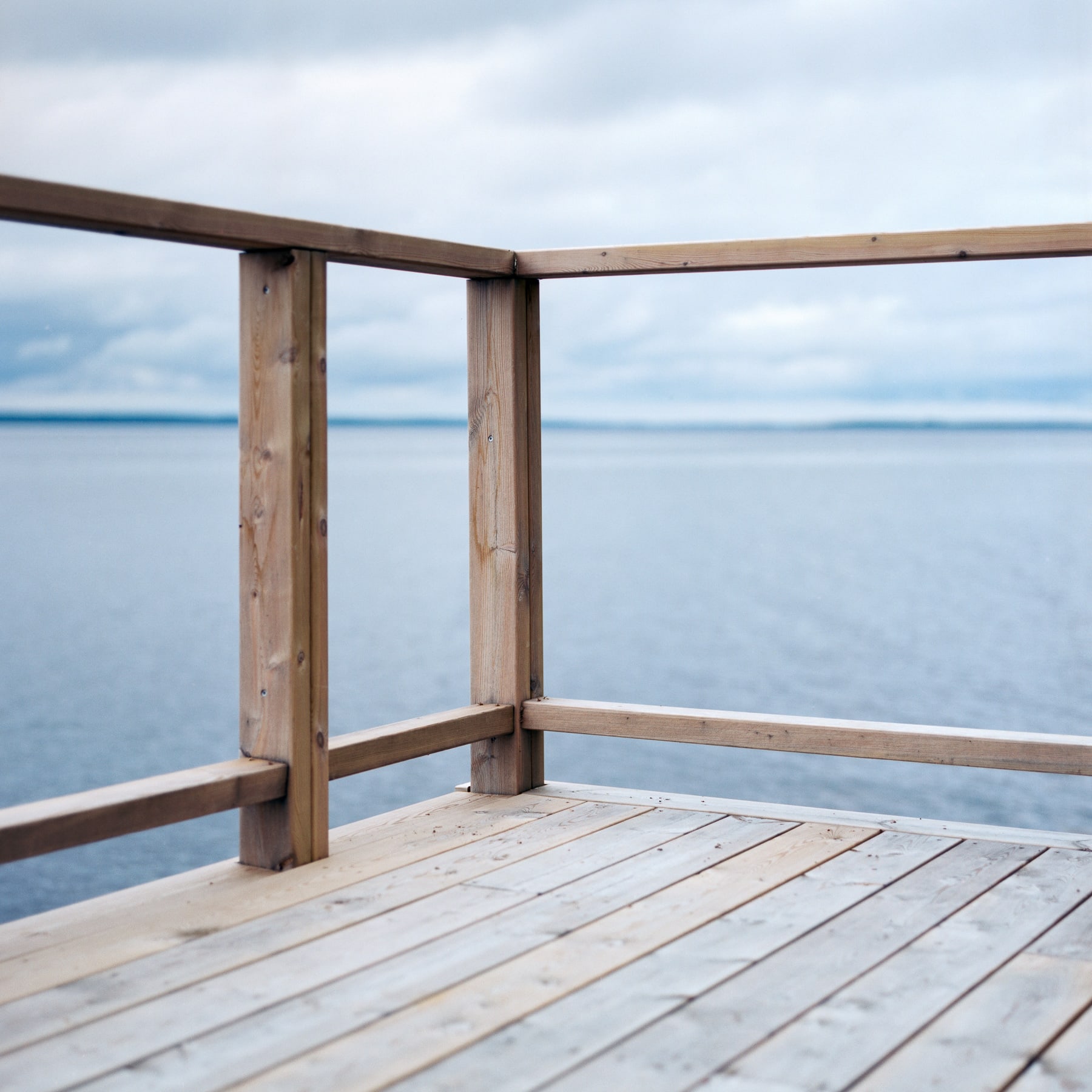
Central Sweden
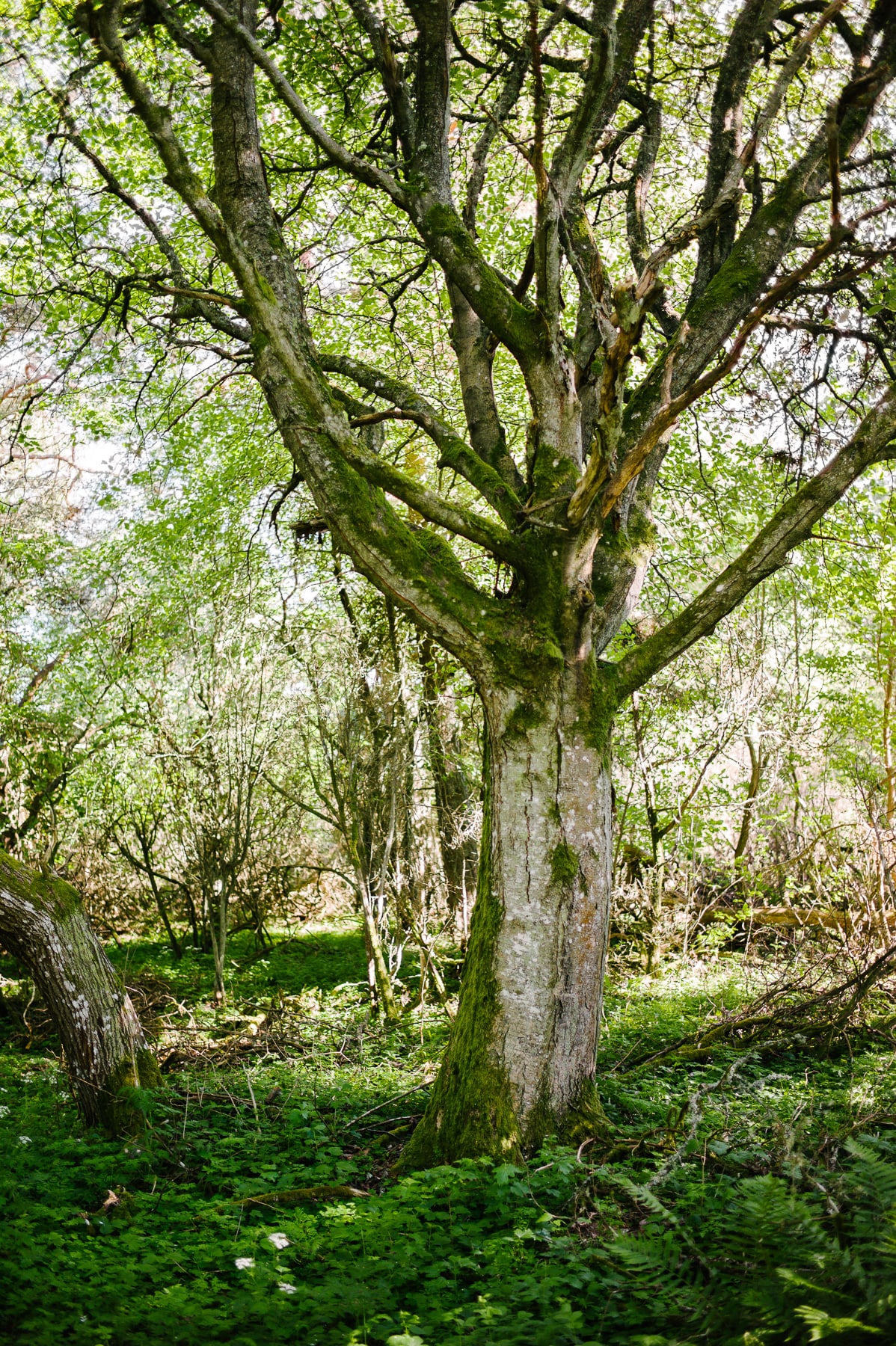
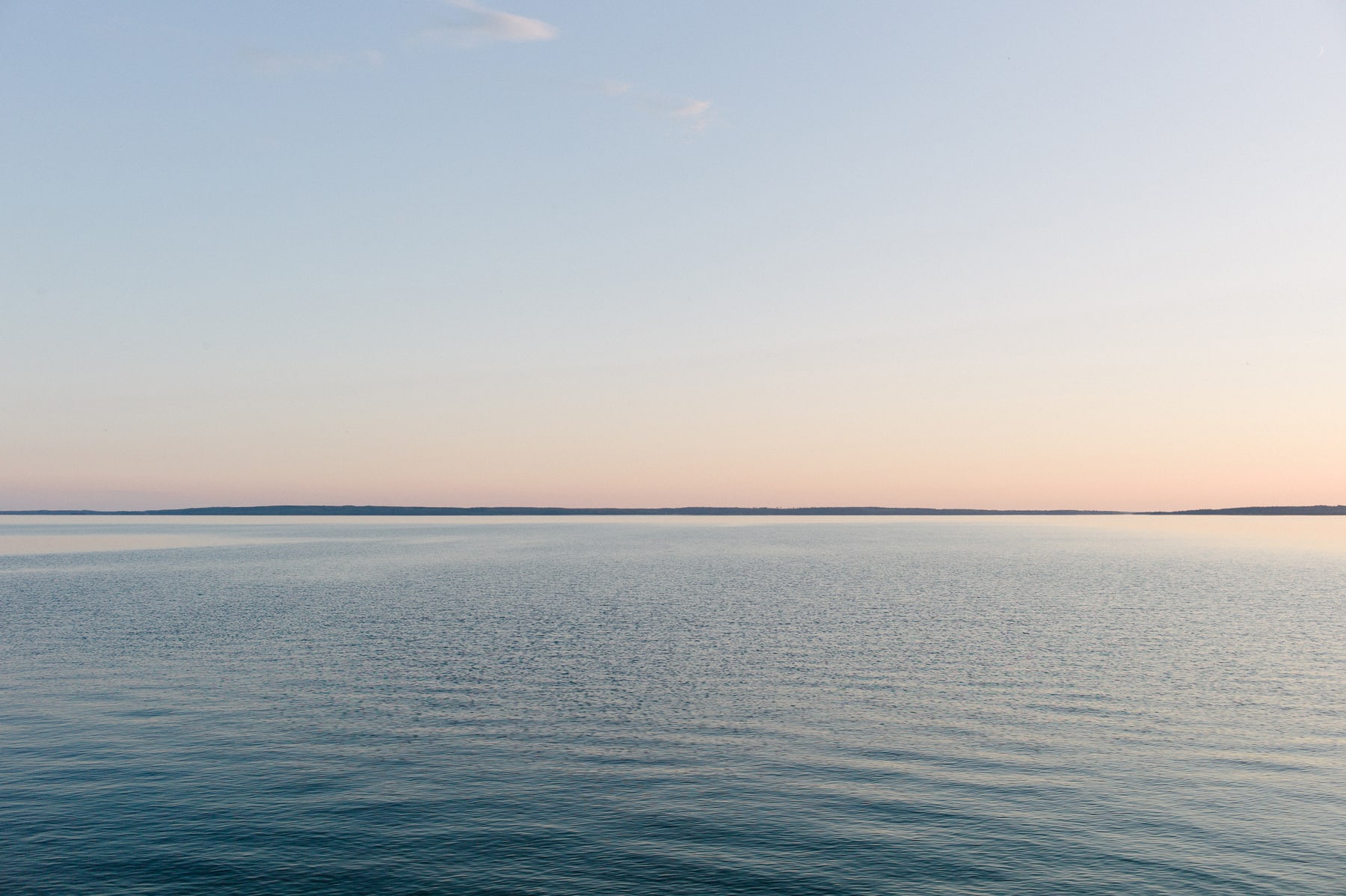
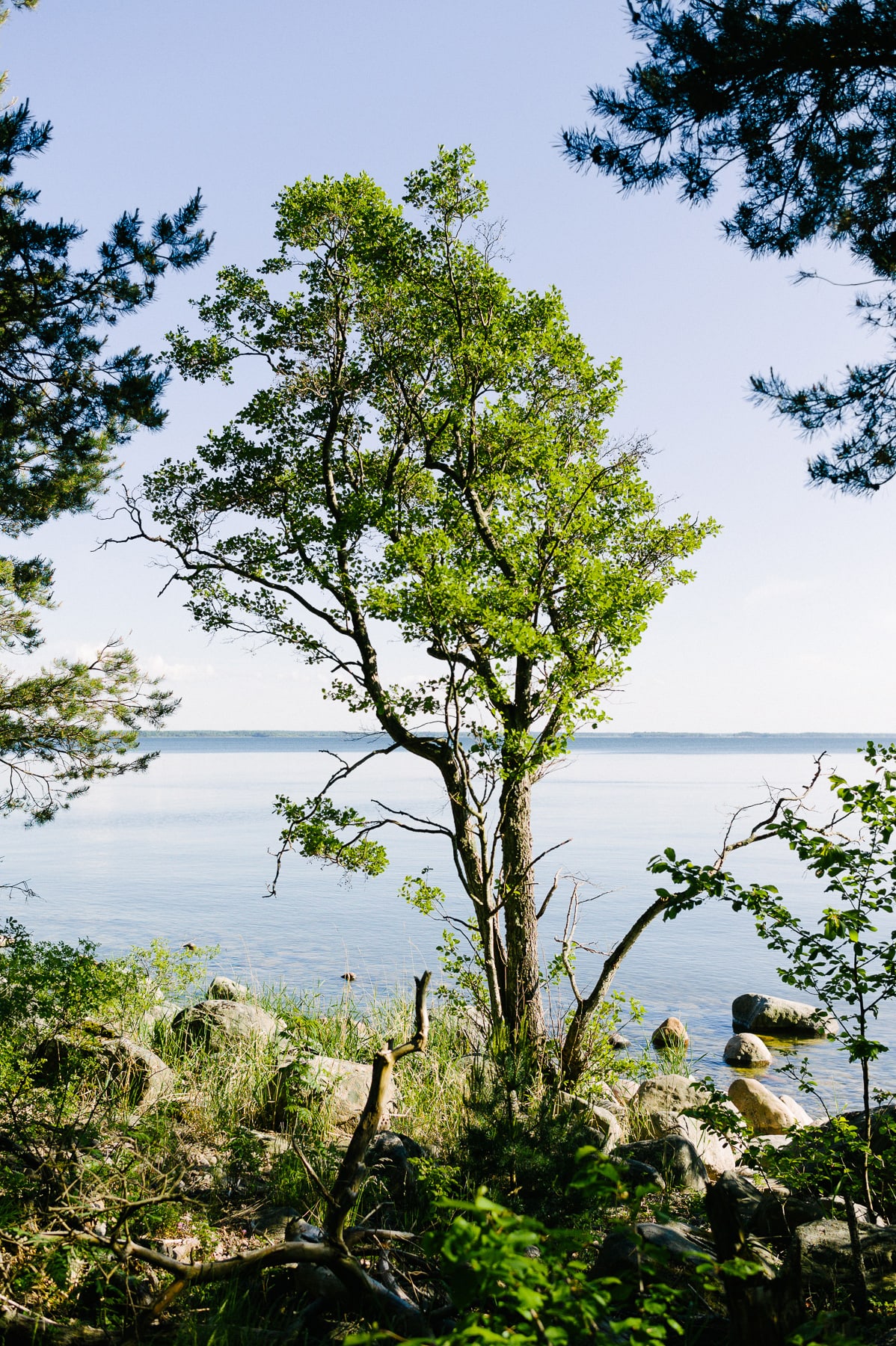
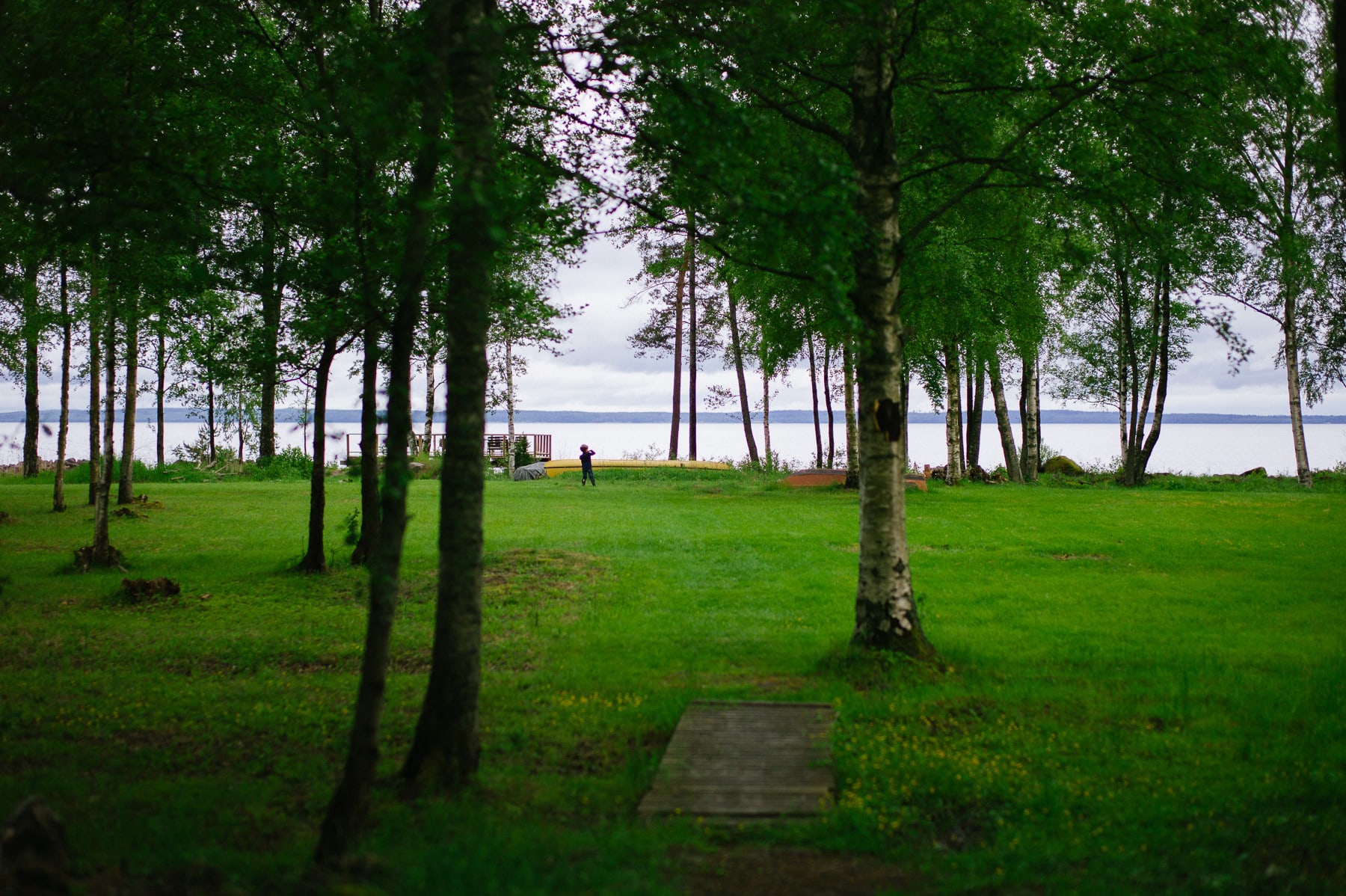
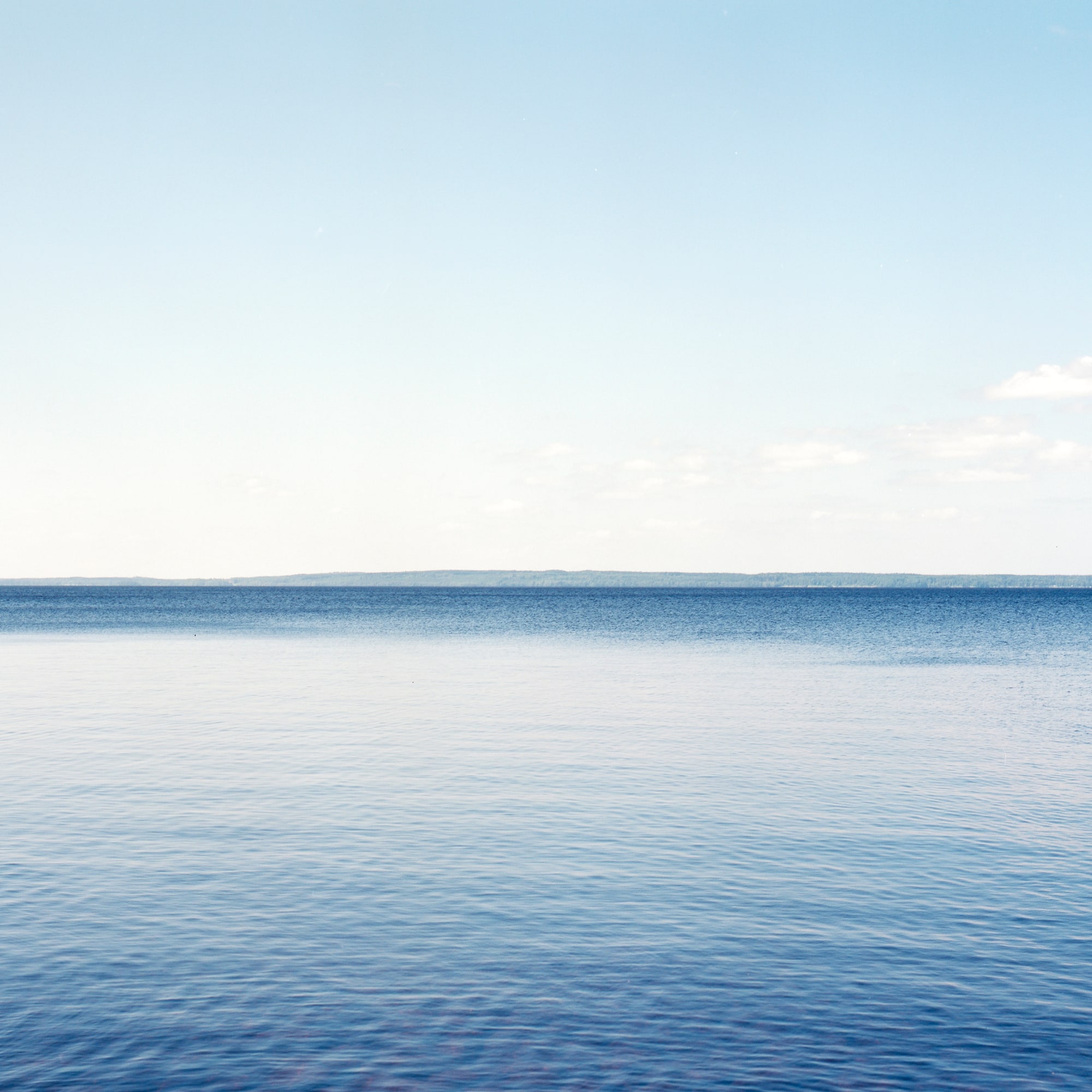
The land is 55% covered in forest, and there are no fewer than 95,700 lakes. Often, when the thick forest opens, it opens onto endless stretches of water reflecting all the silver or golden light of the North.
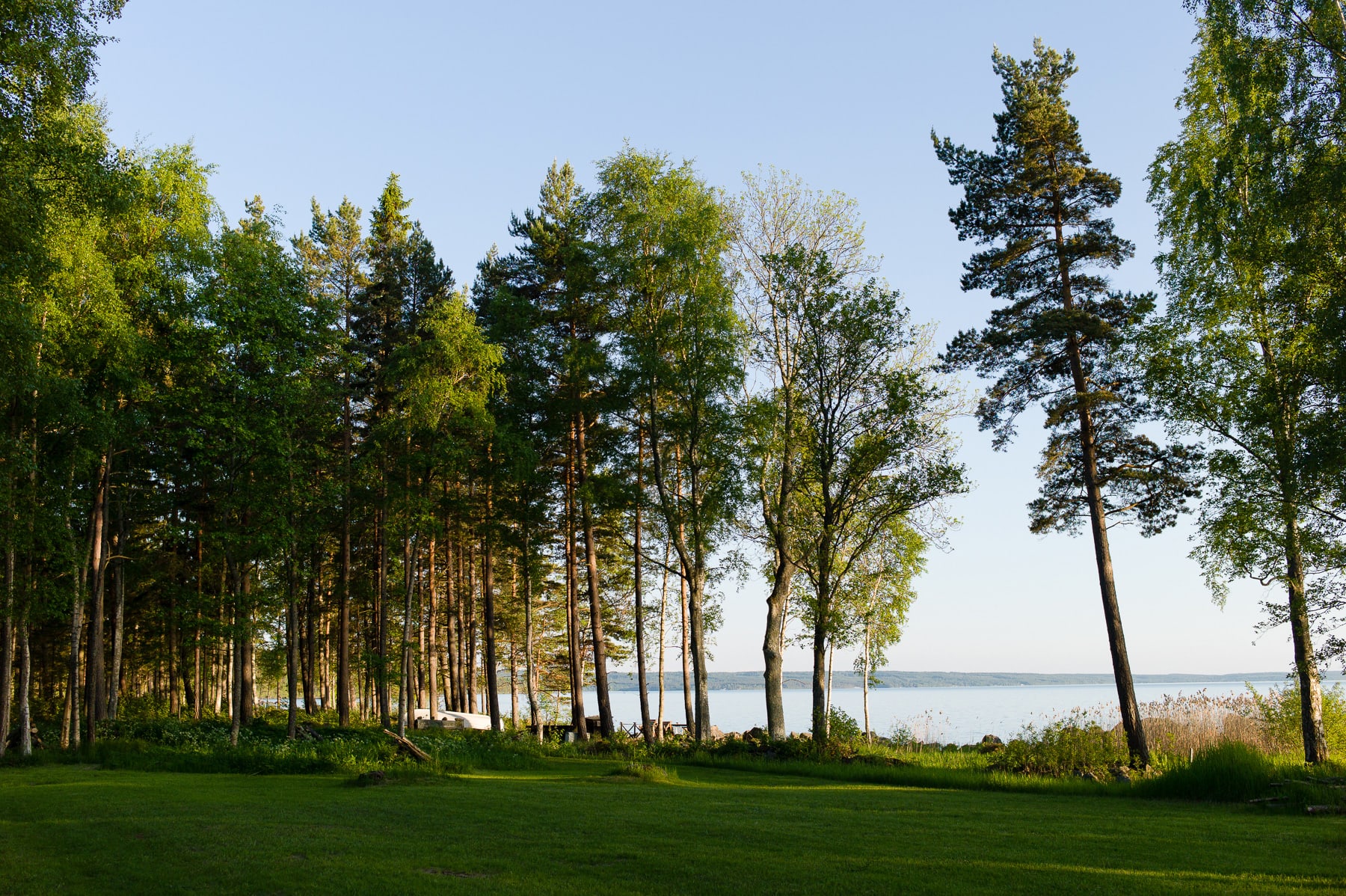
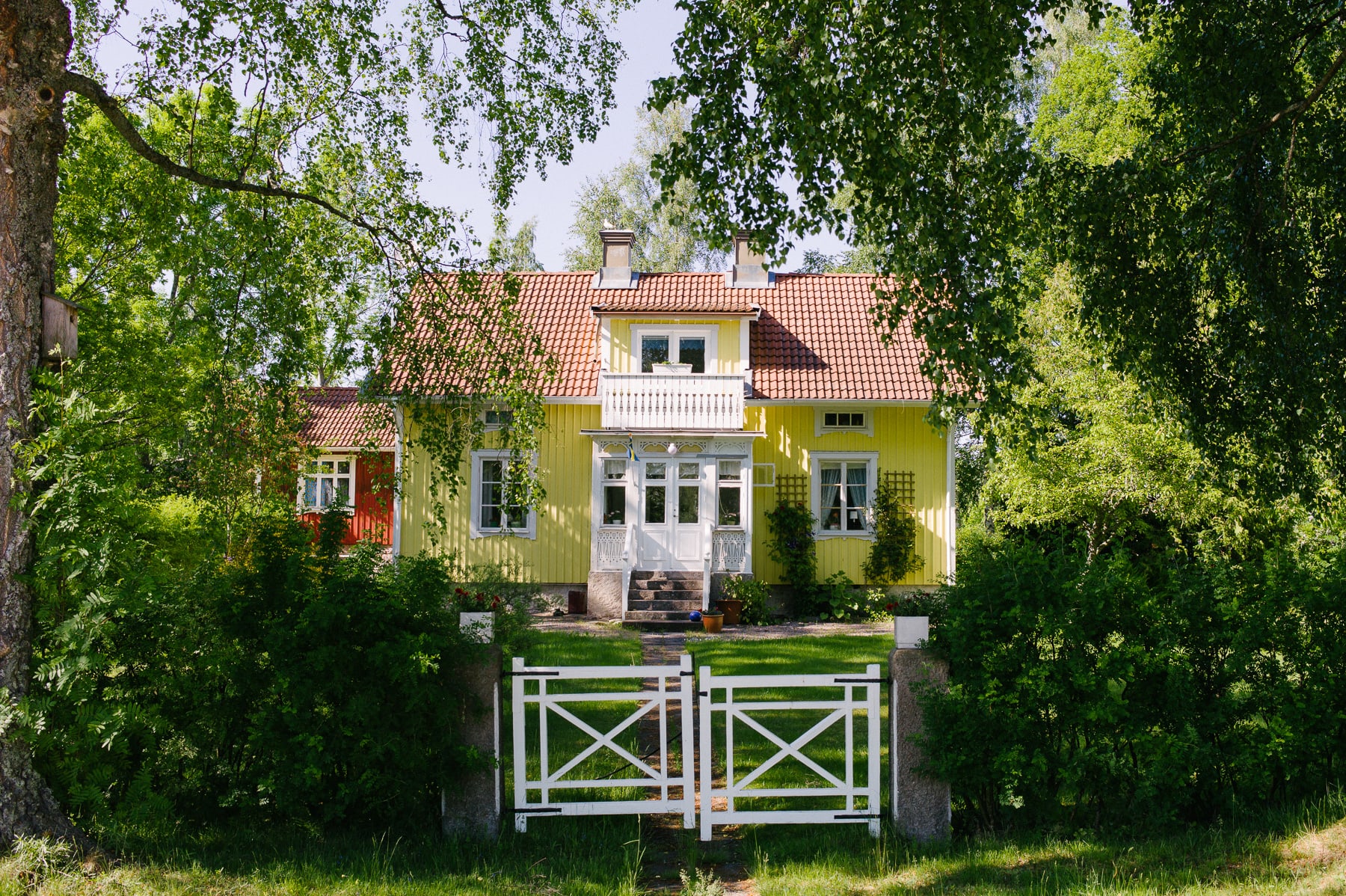
80% of Swedes live less than 5 km from a nature park or reserve.
Sweden has 29 national parks and more than 4,000 nature reserves, close to a tenth of its territory: the equivalent of the whole of Denmark.
Tiveden
Tiveden National Park lies within the municipalities of Laxå (Örebro) and Karlsborg (Västra Götaland), in the province of Västergötland. It covers 1,350 hectares of wild, partly primeval forest on rugged terrain. Its name is said to come from -ved, wood, and Ti-, a reference to the god Tyr, god of the sky among other things. The national park is thought never to have been inhabited, although ancient sacrificial sites and traces of charcoal production can be found there. In the early Middle Ages, the Tiveden forest was a hideout for outlaws who took refuge in it.
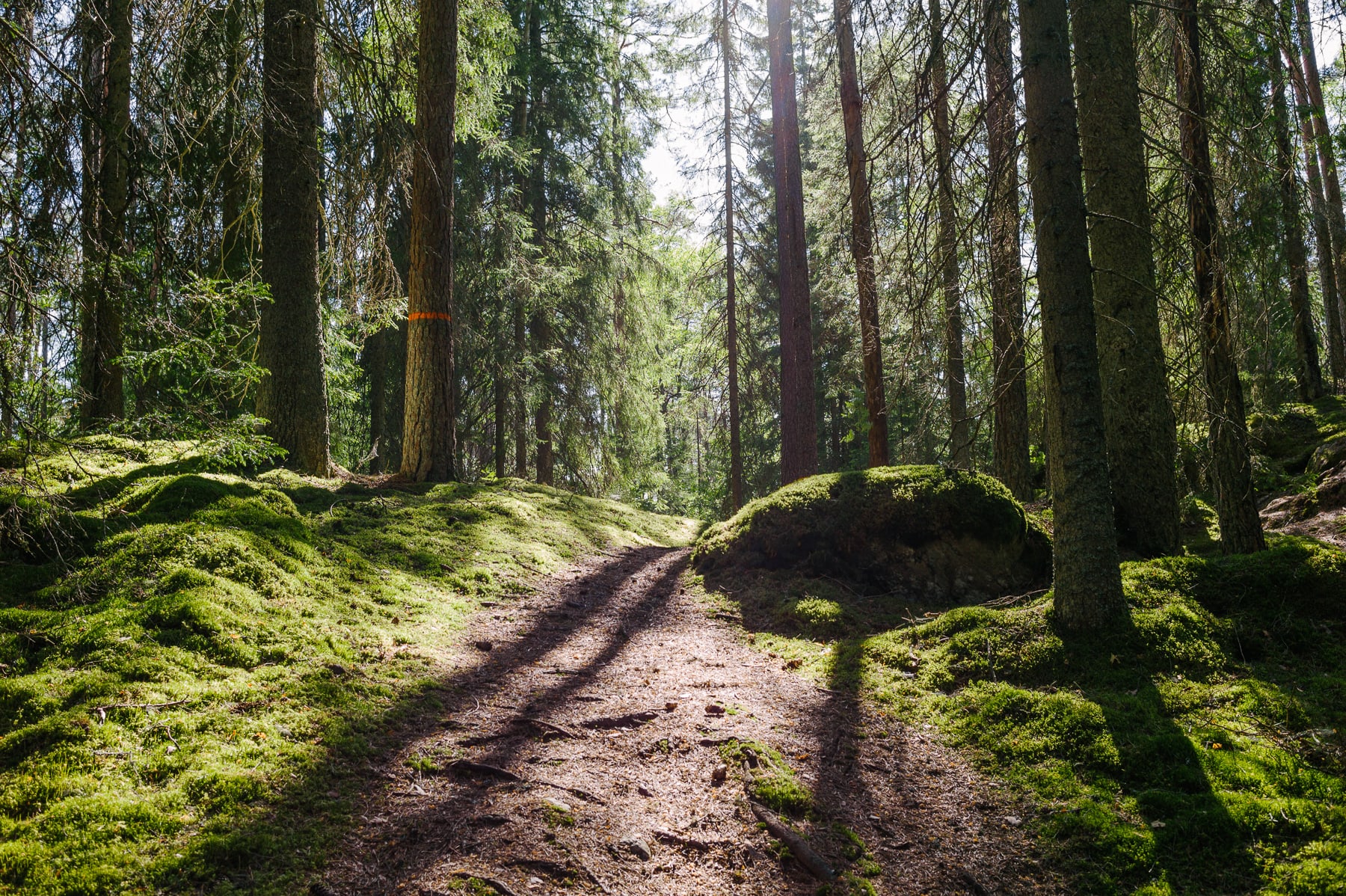
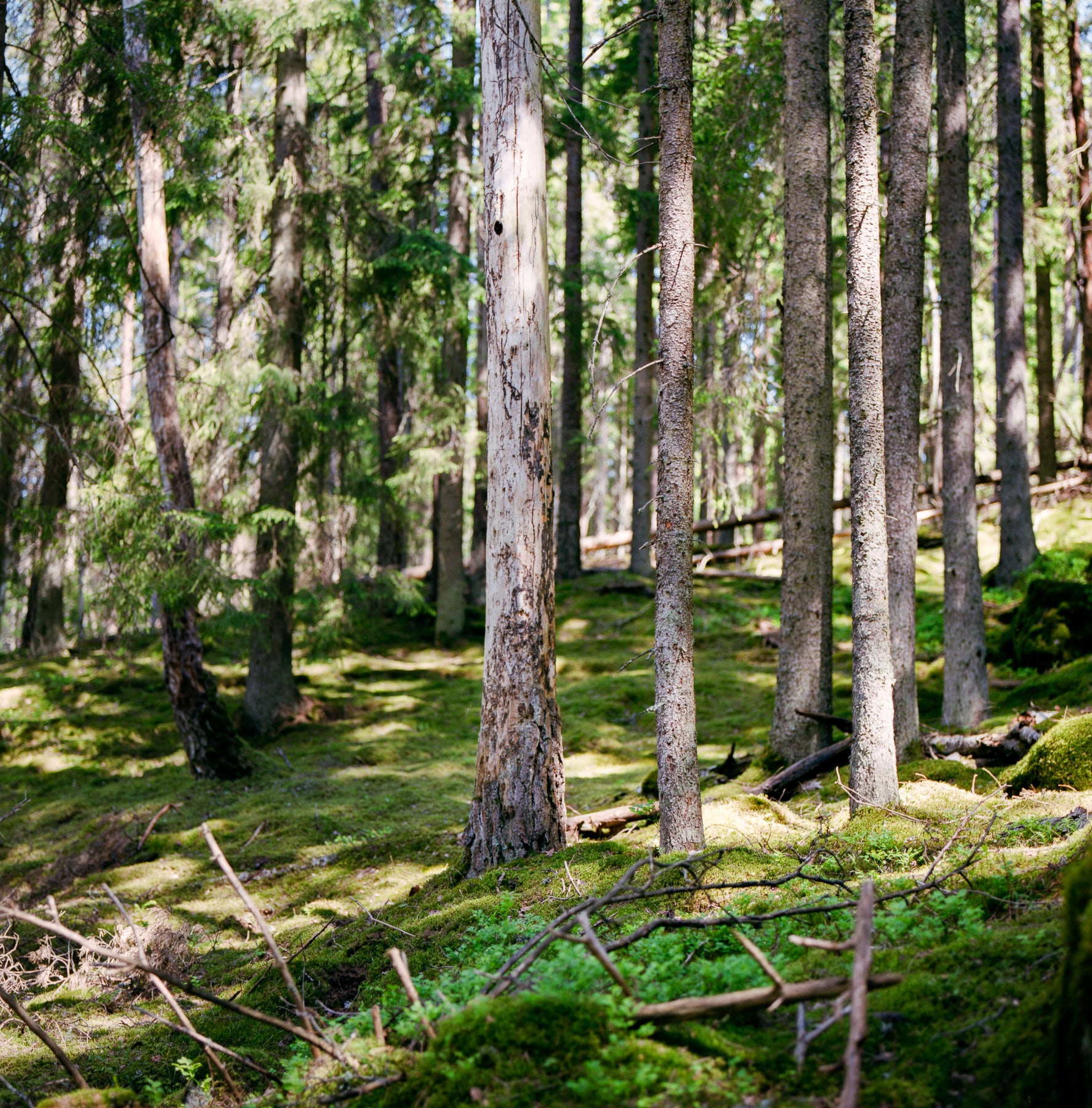
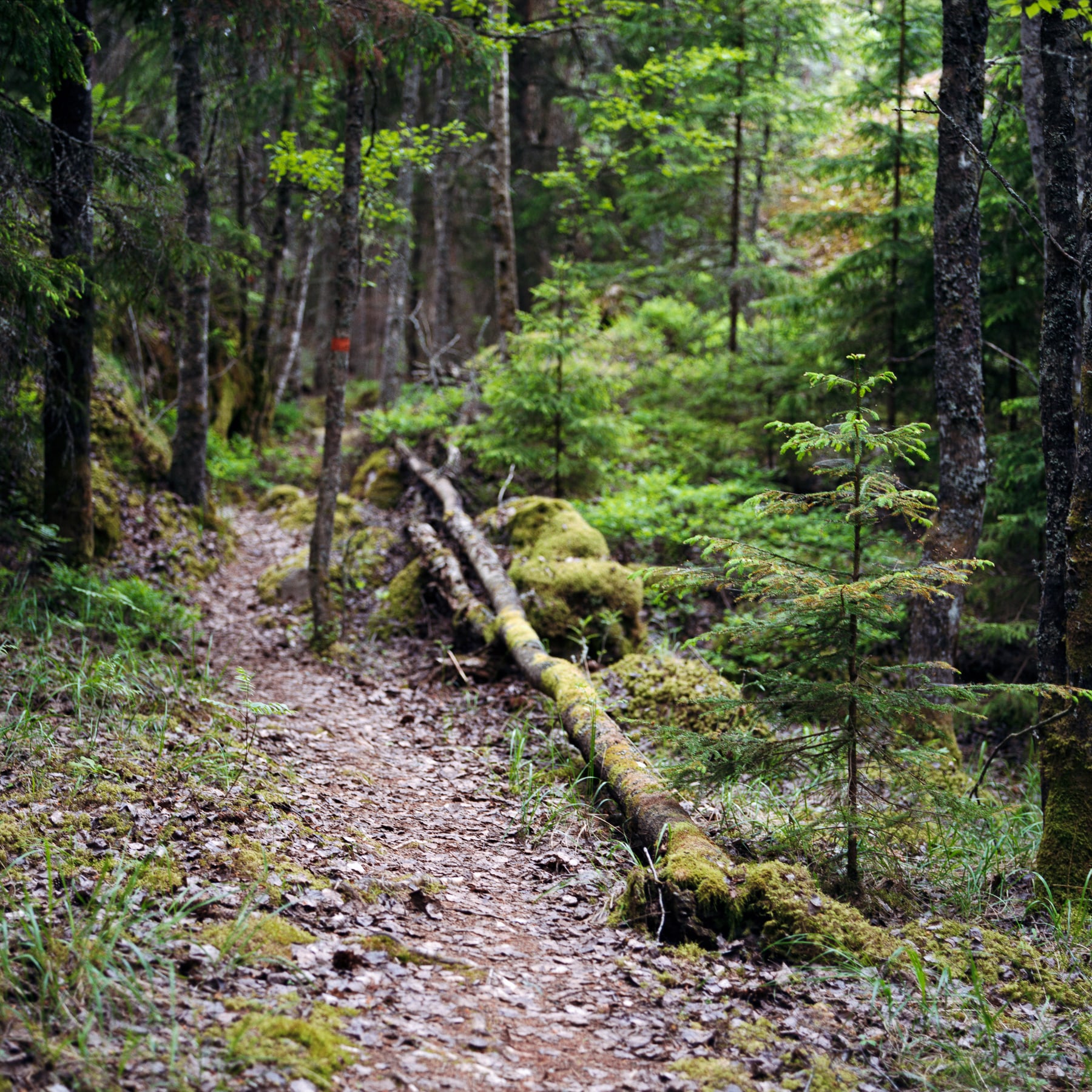
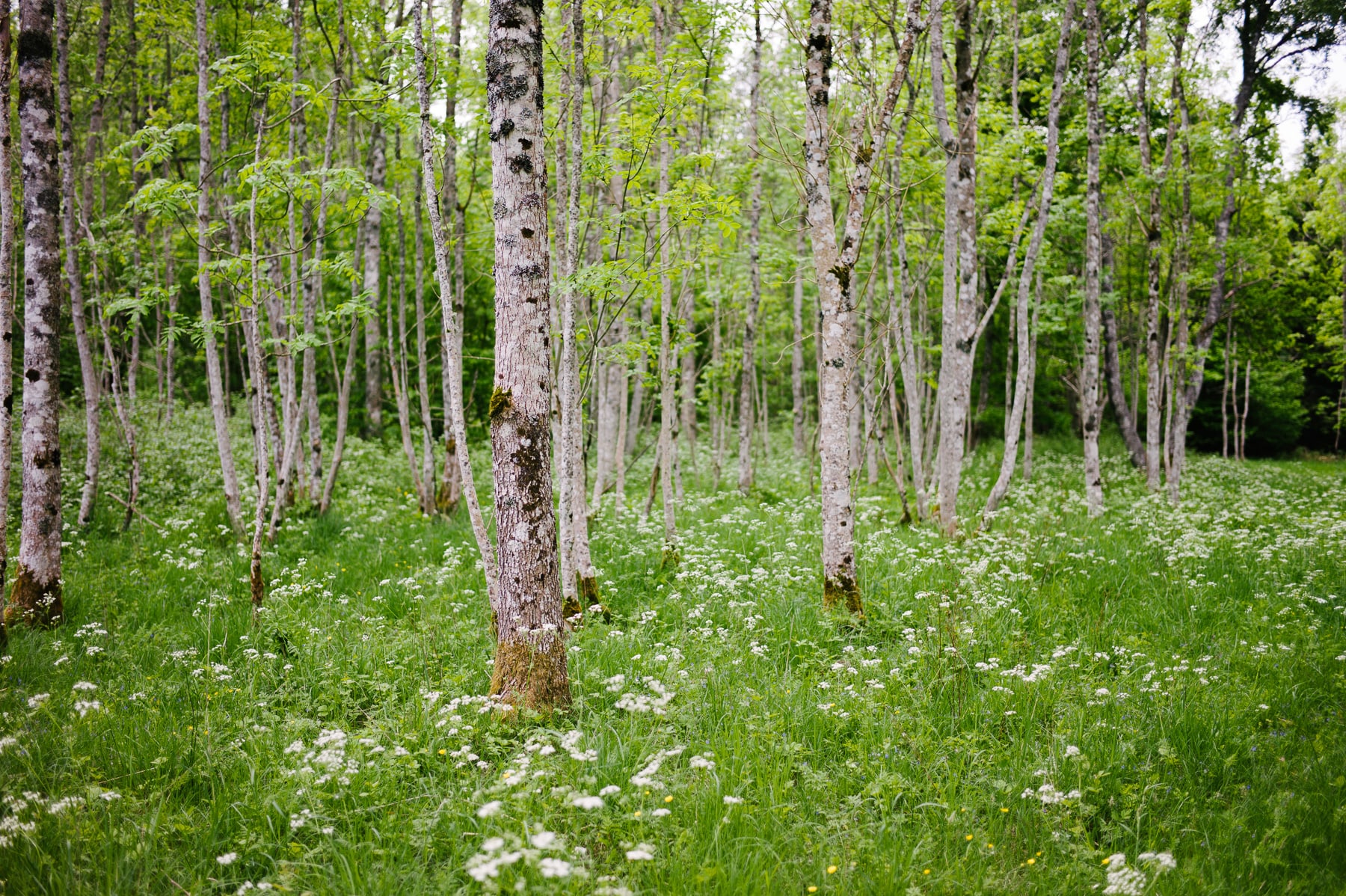
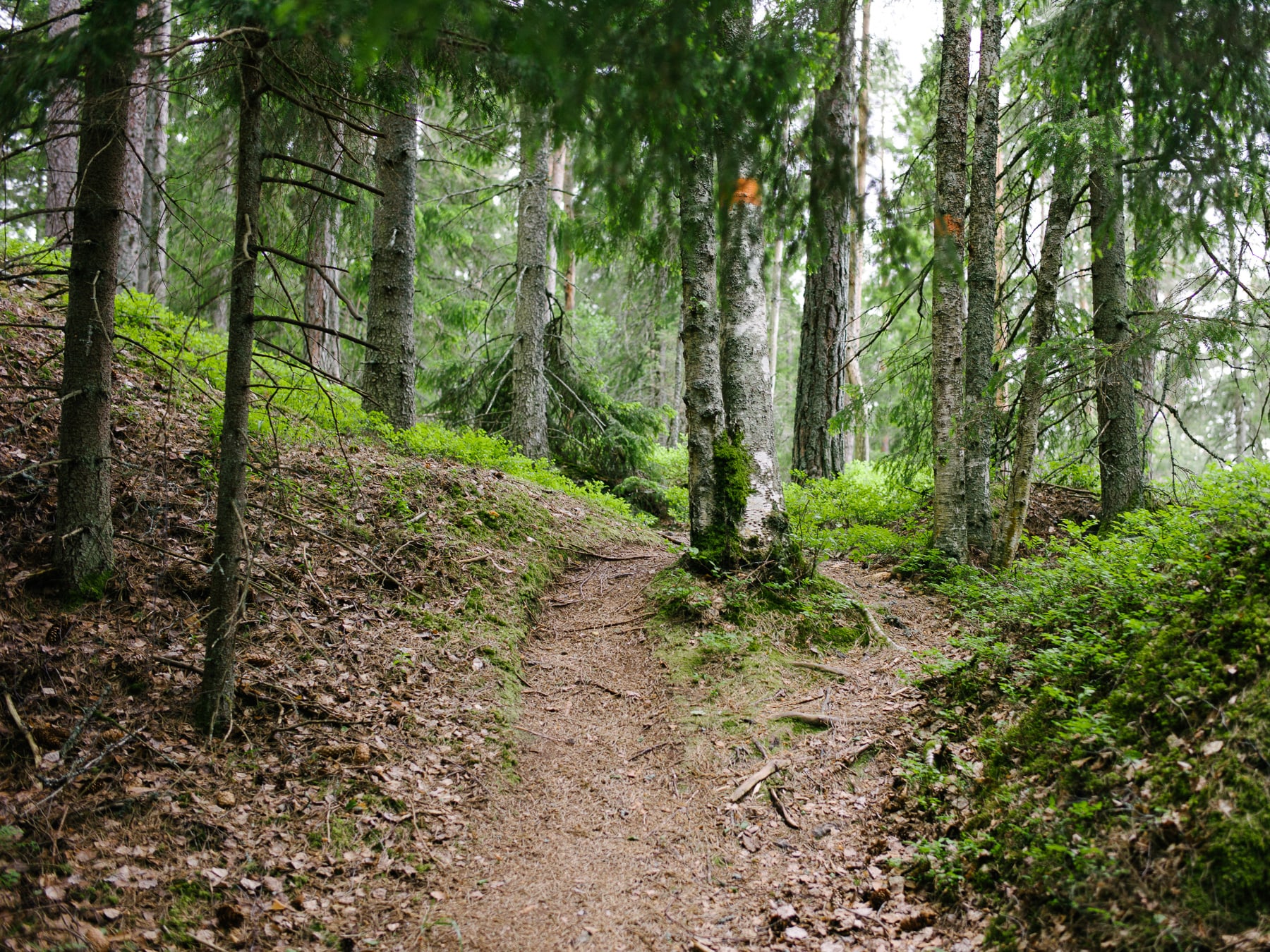
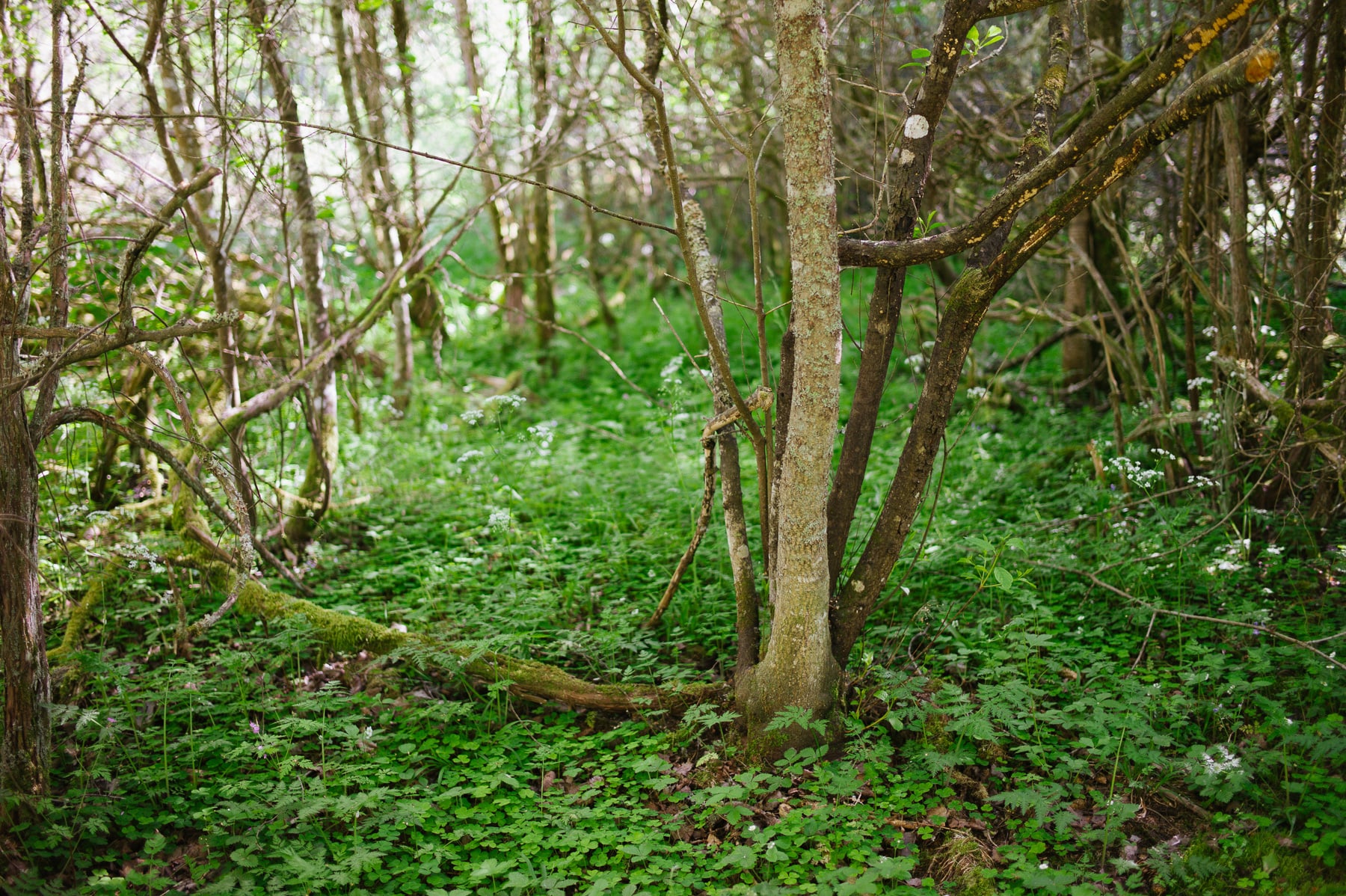
Tiveden National Park was created in 1983 and consists of a large continuous area of coniferous forest without buildings or major roads. The forest holds a great many small lakes covered in red water lilies, wide stretches of scrub, large moss-covered boulders, small peat bogs and marshes that fill most of the low-lying areas. It was the retreating glaciers that gave their dramatic character to these places, crossed by 300 km of trails.
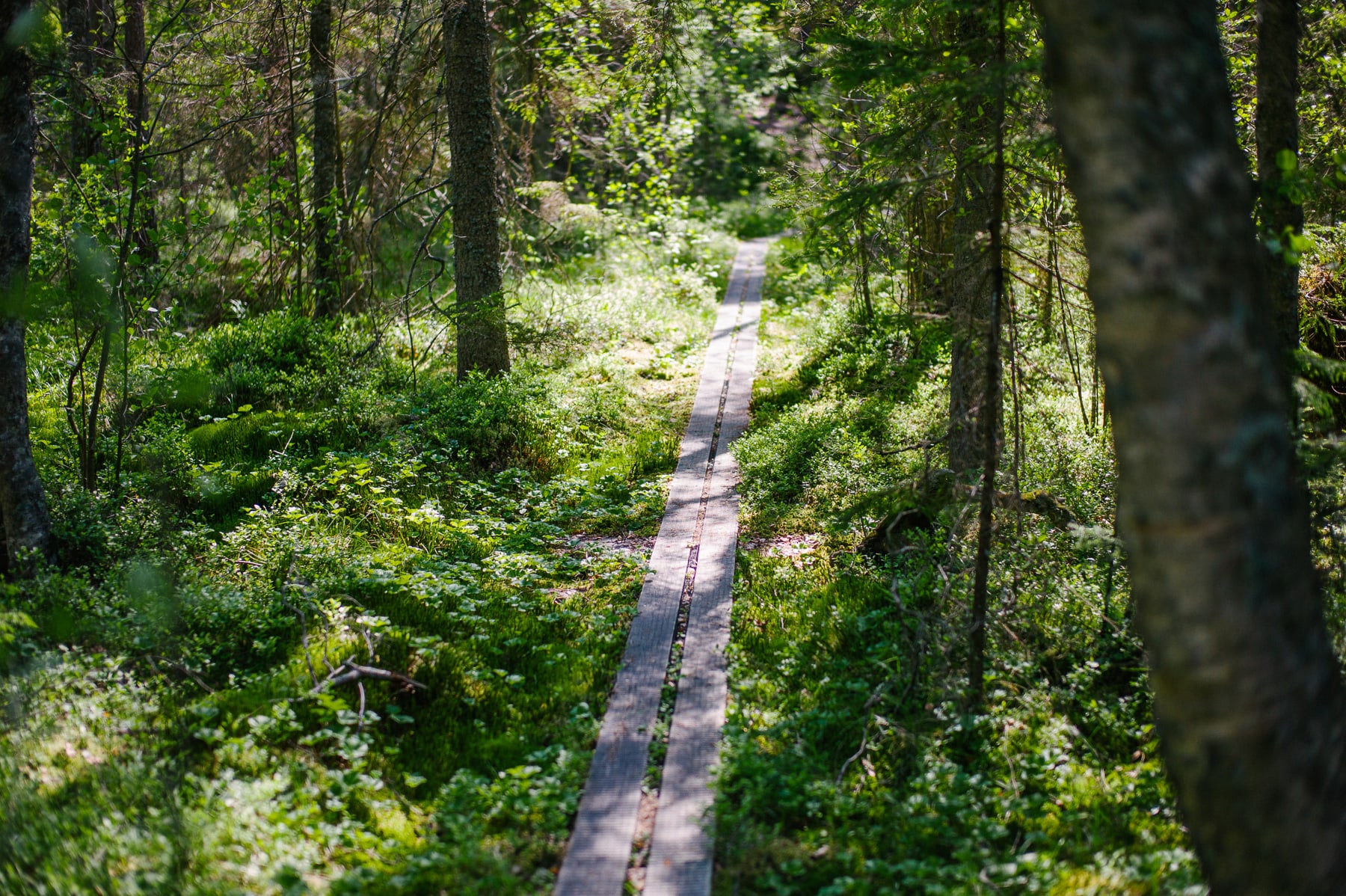
Small peat bogs and marshes fill most of the low-lying areas.
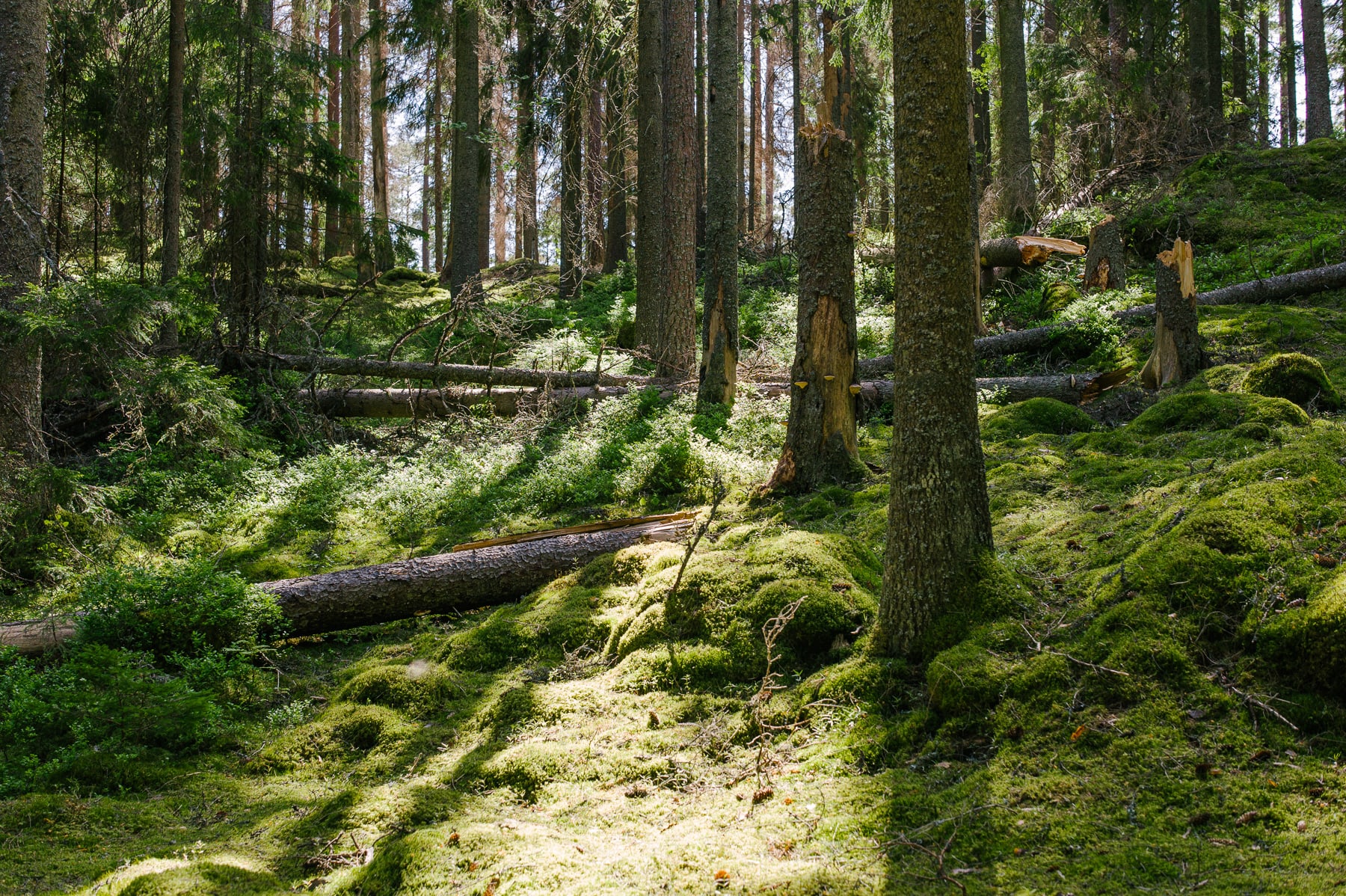
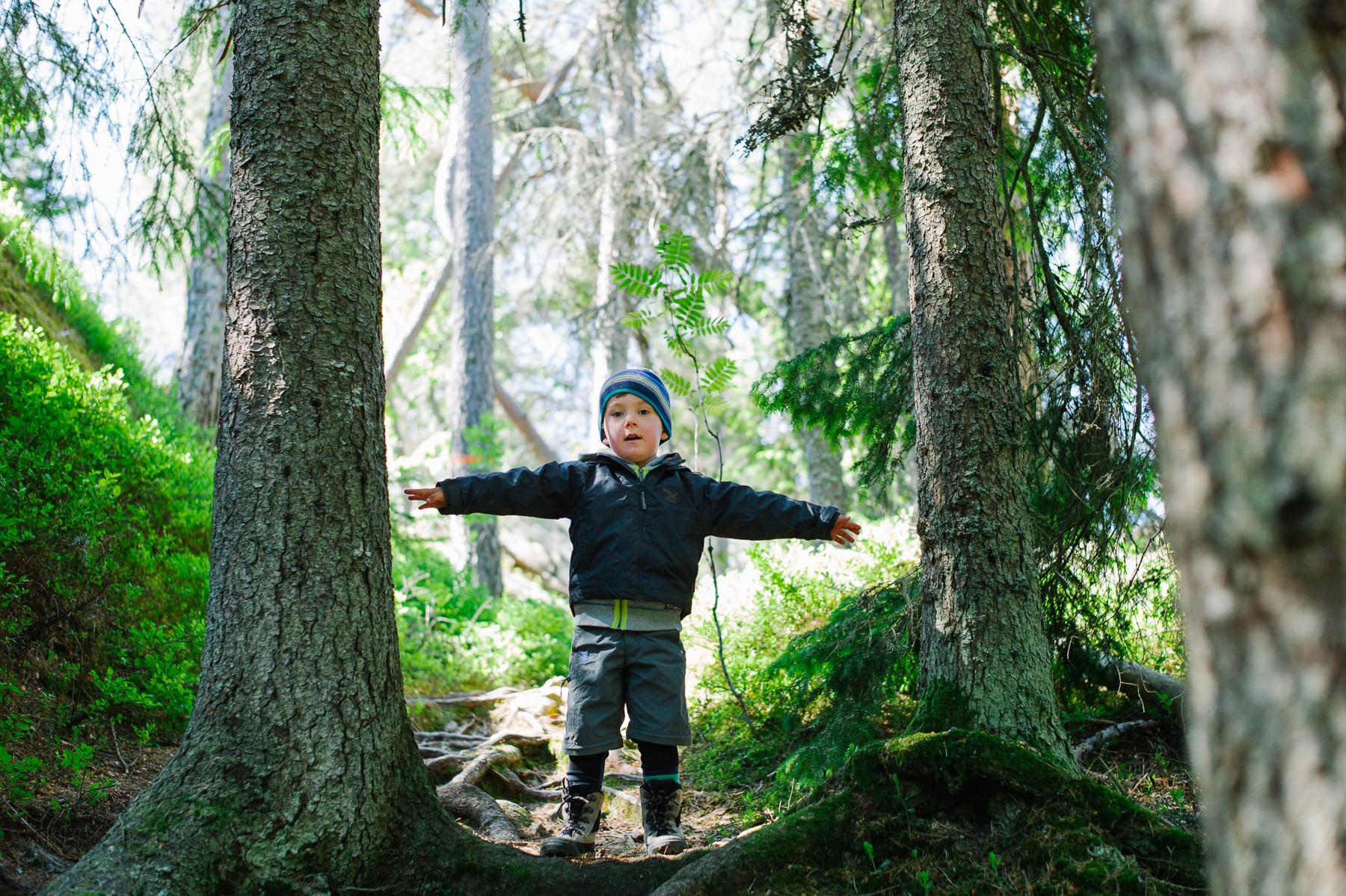
A wild, partly primeval forest on rugged terrain.
Kinnekulle & Hasselfors
Kinnekulle is a plateau and a nature reserve, home to a particular flora and fauna linked to its geological past, sculpted by ice and wind during the glacial age.
Around the year 1000, King Olof, son of Erik, is said to have been baptised at the spring of Husaby, at the foot of Mount Kinnekulle, near Lake Vänern, which made him the first Christian king of Sweden. Sweden's first diocese was established at Husaby in the eleventh century, before being moved to the town of Skara in 1150.
Sweden
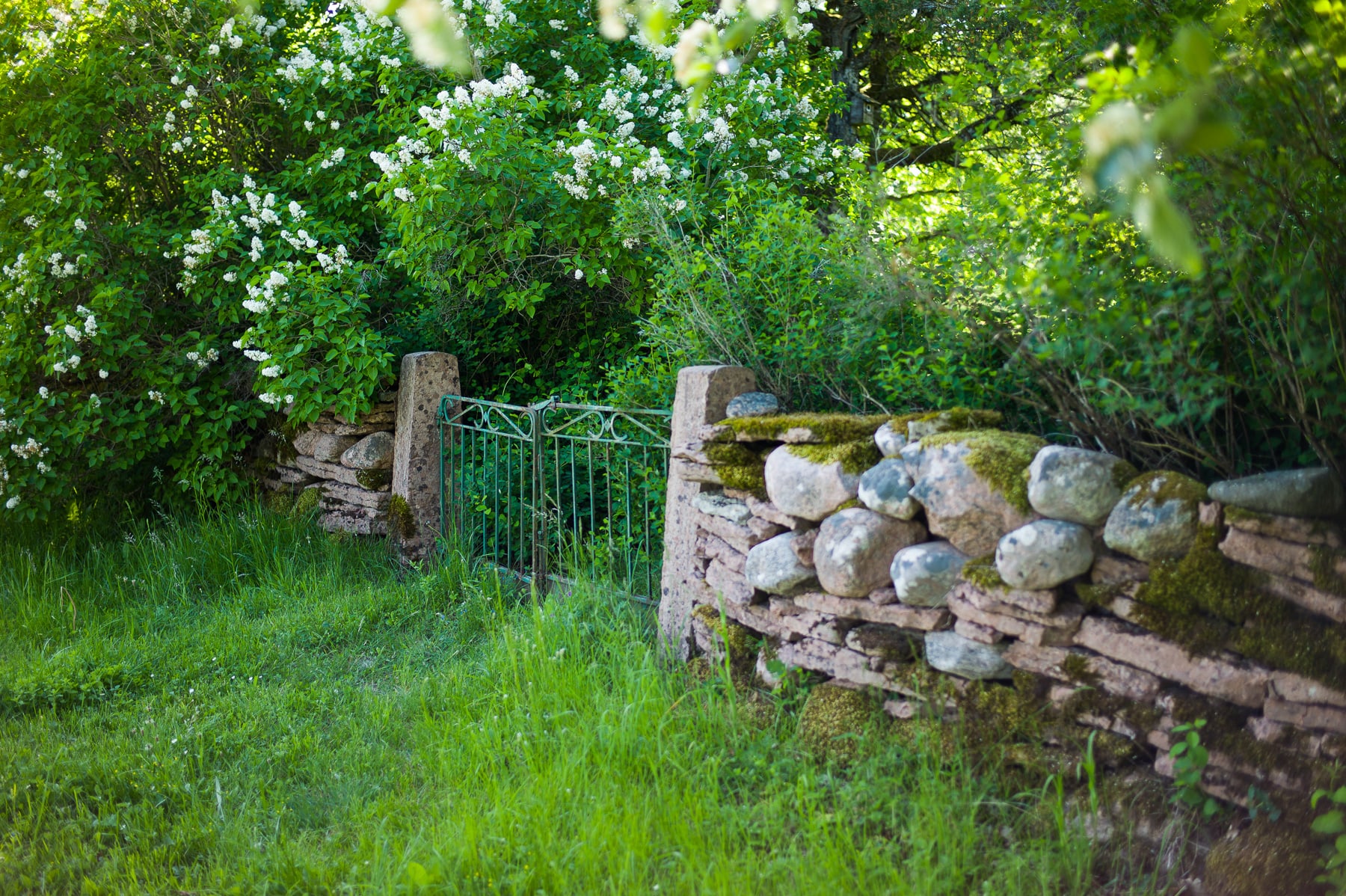
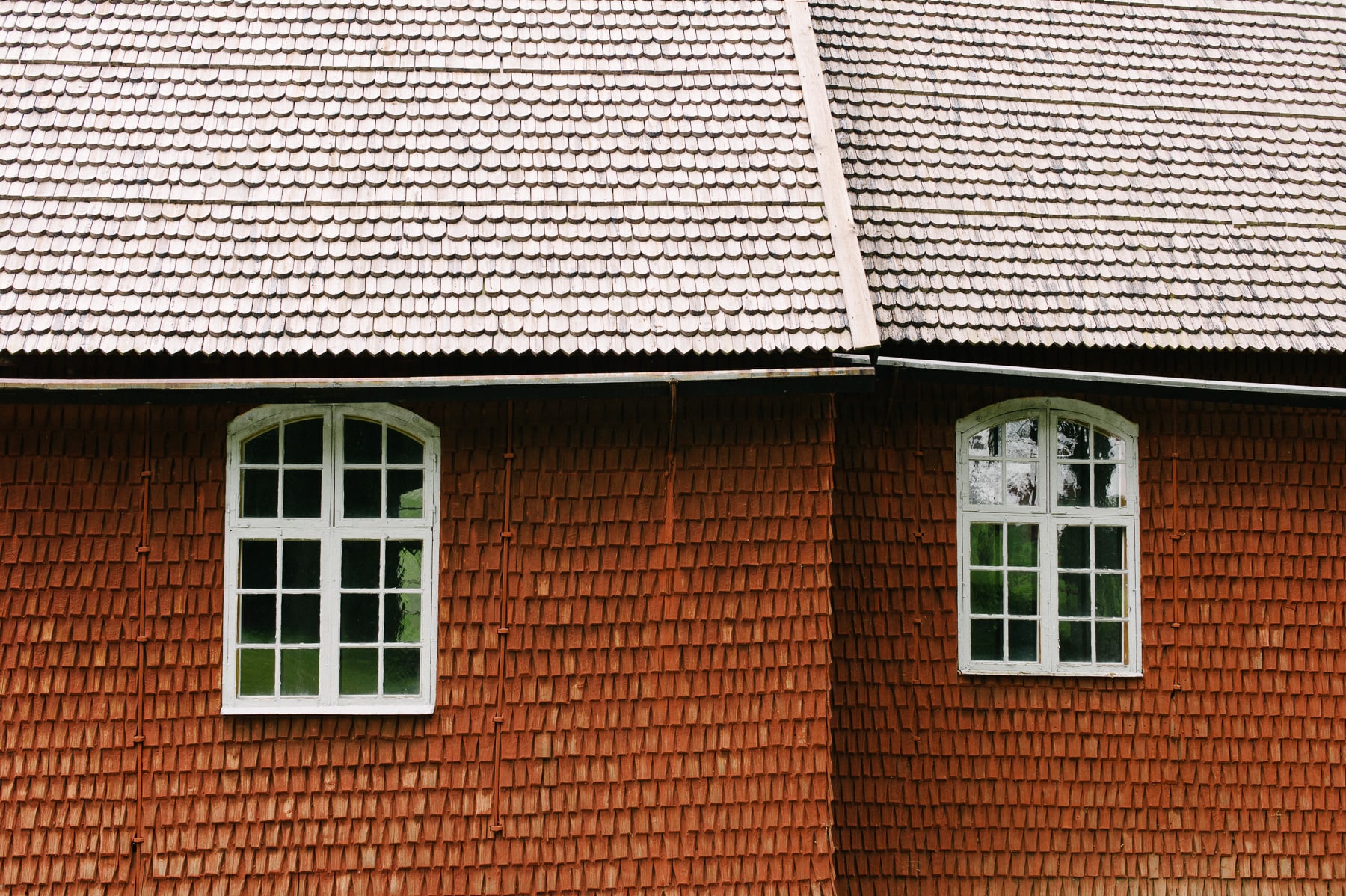
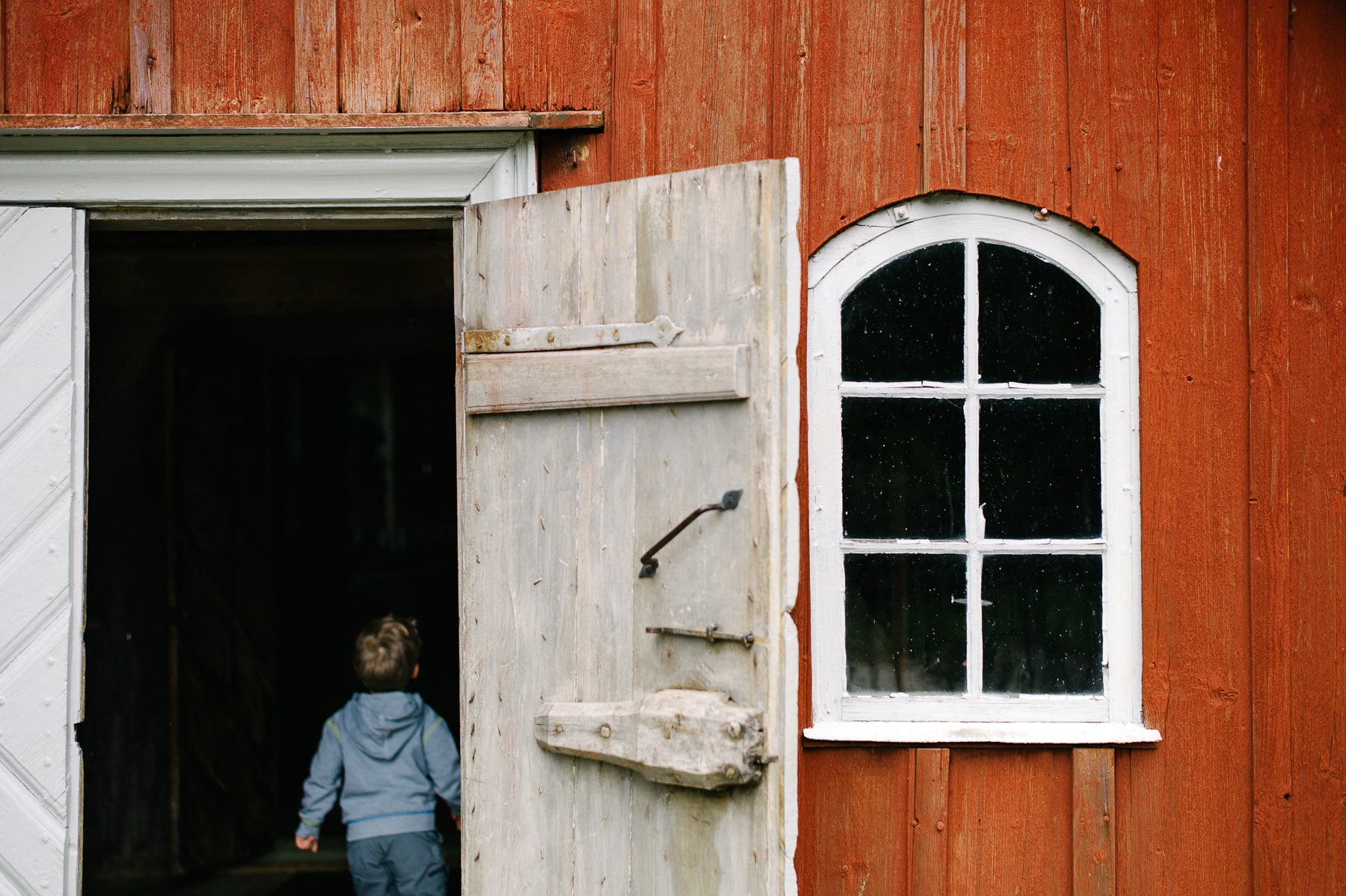
Skagershults gamla kyrka, built in 1651.
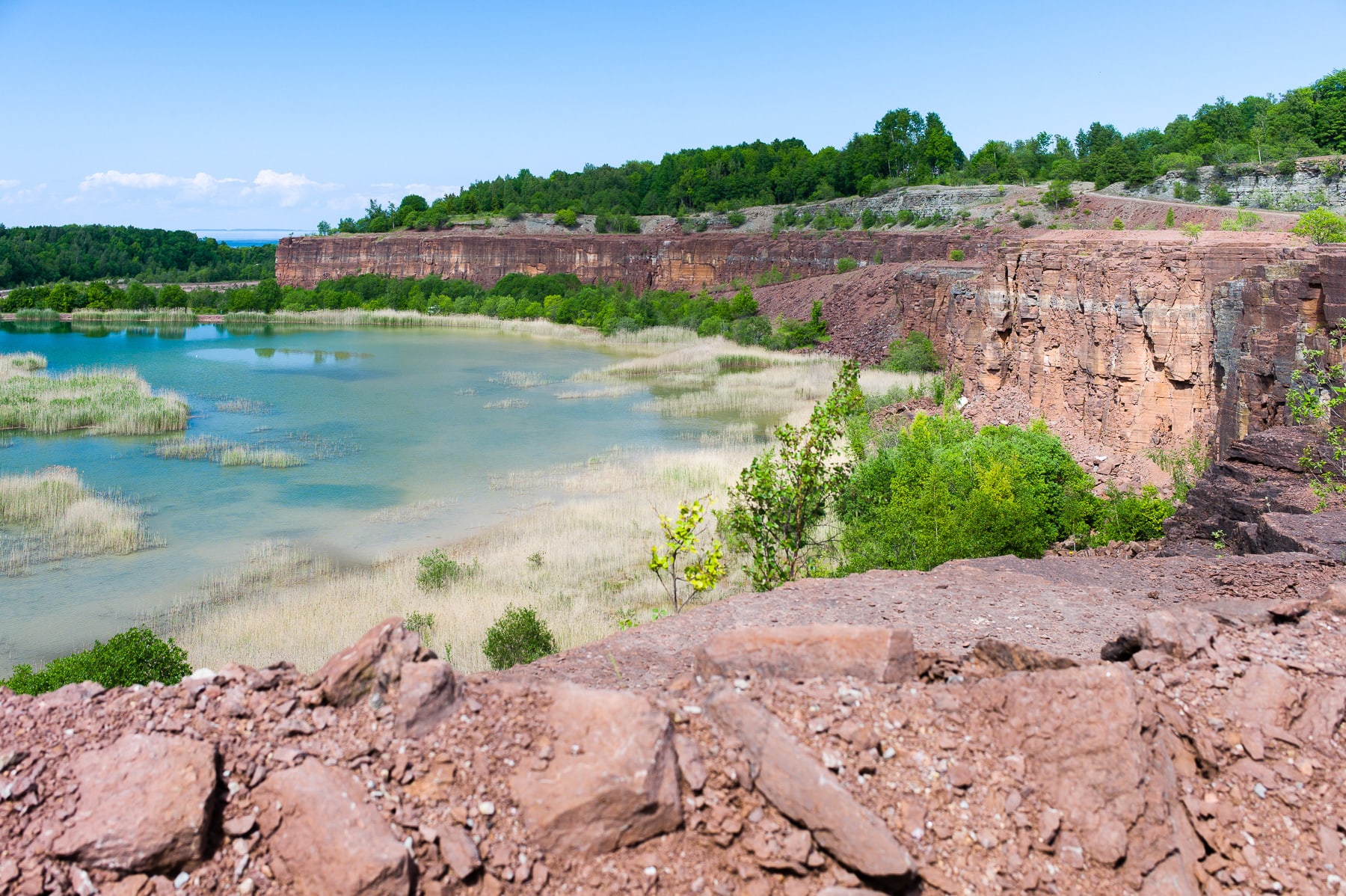
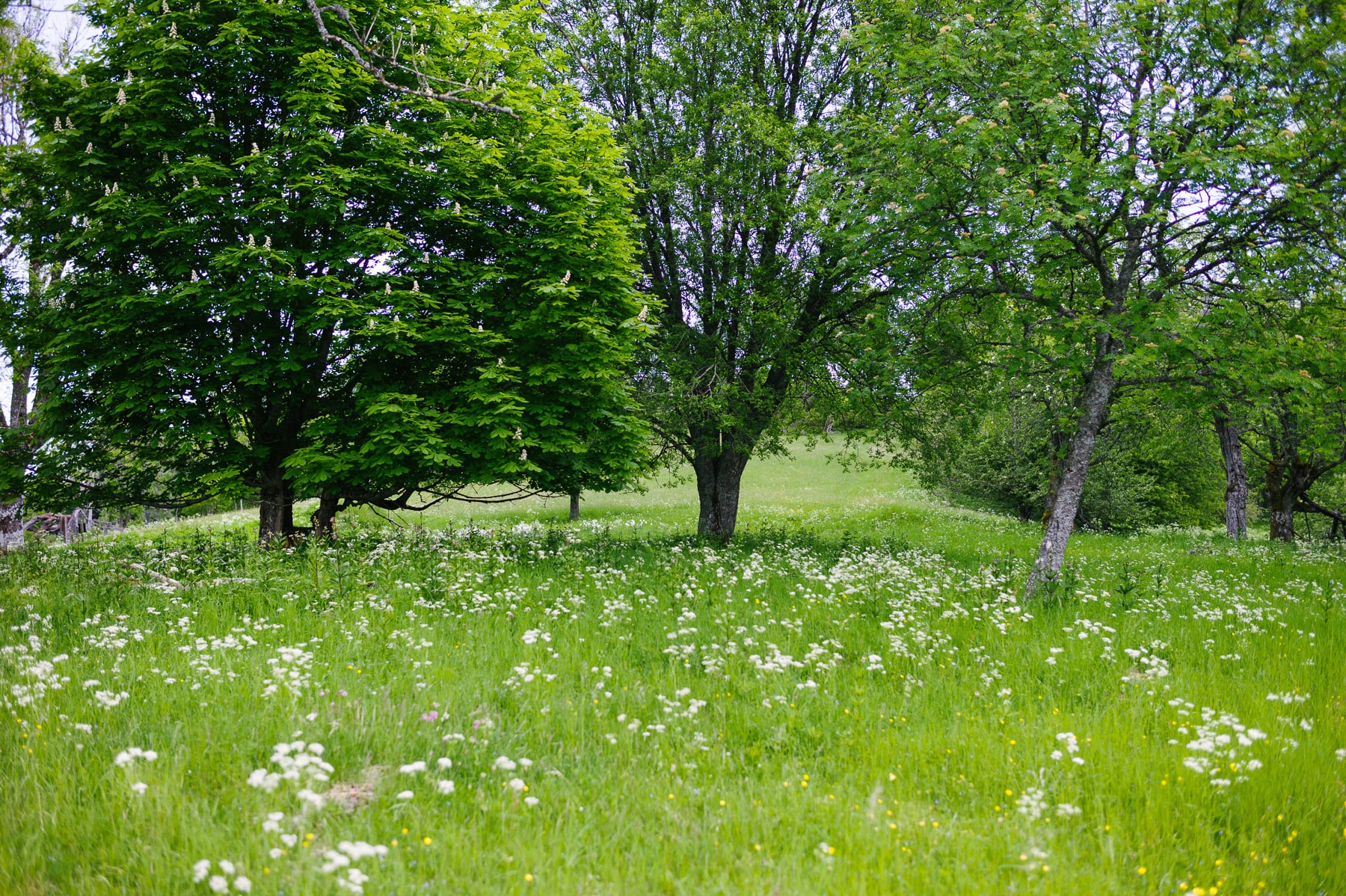
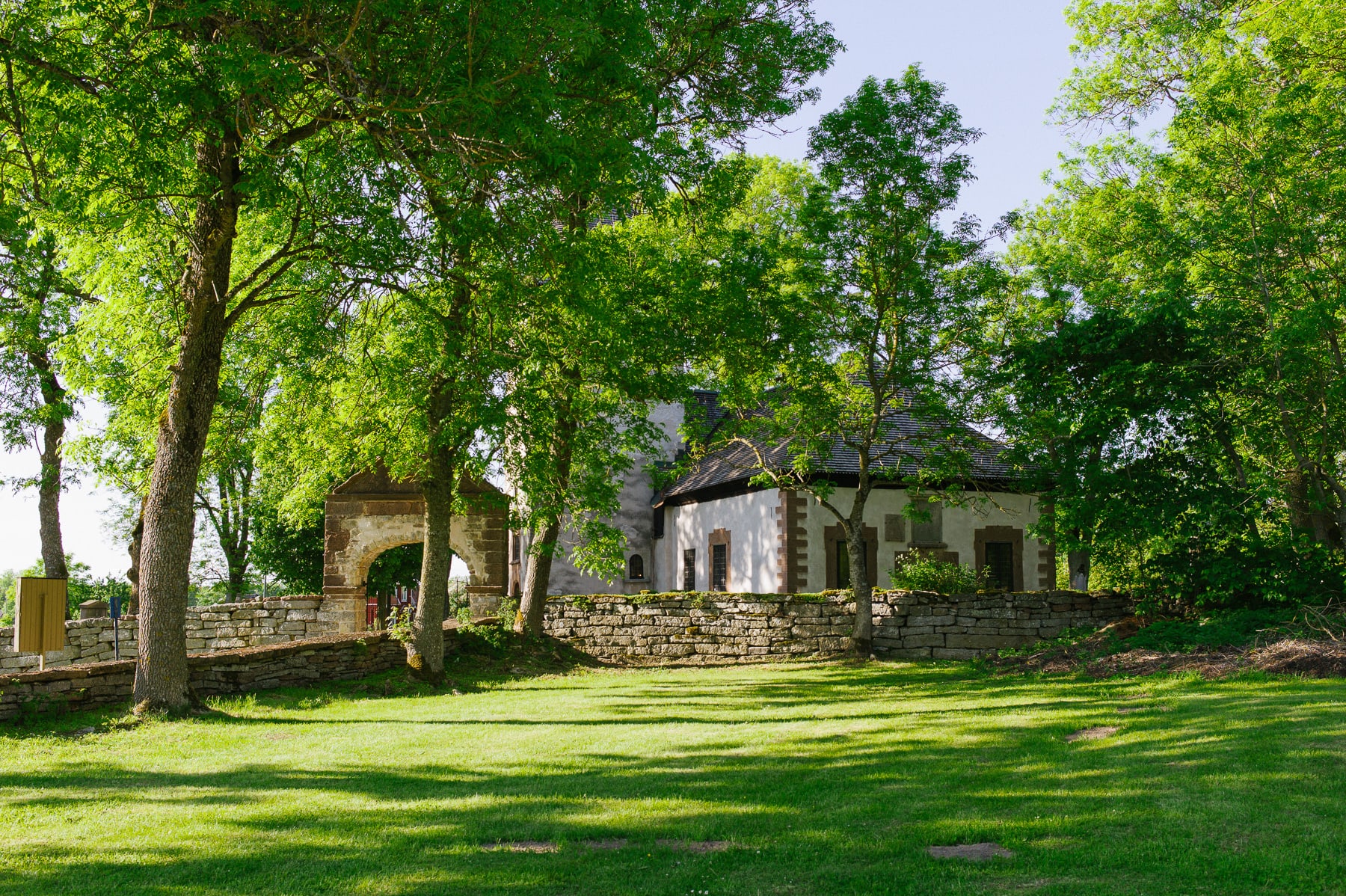
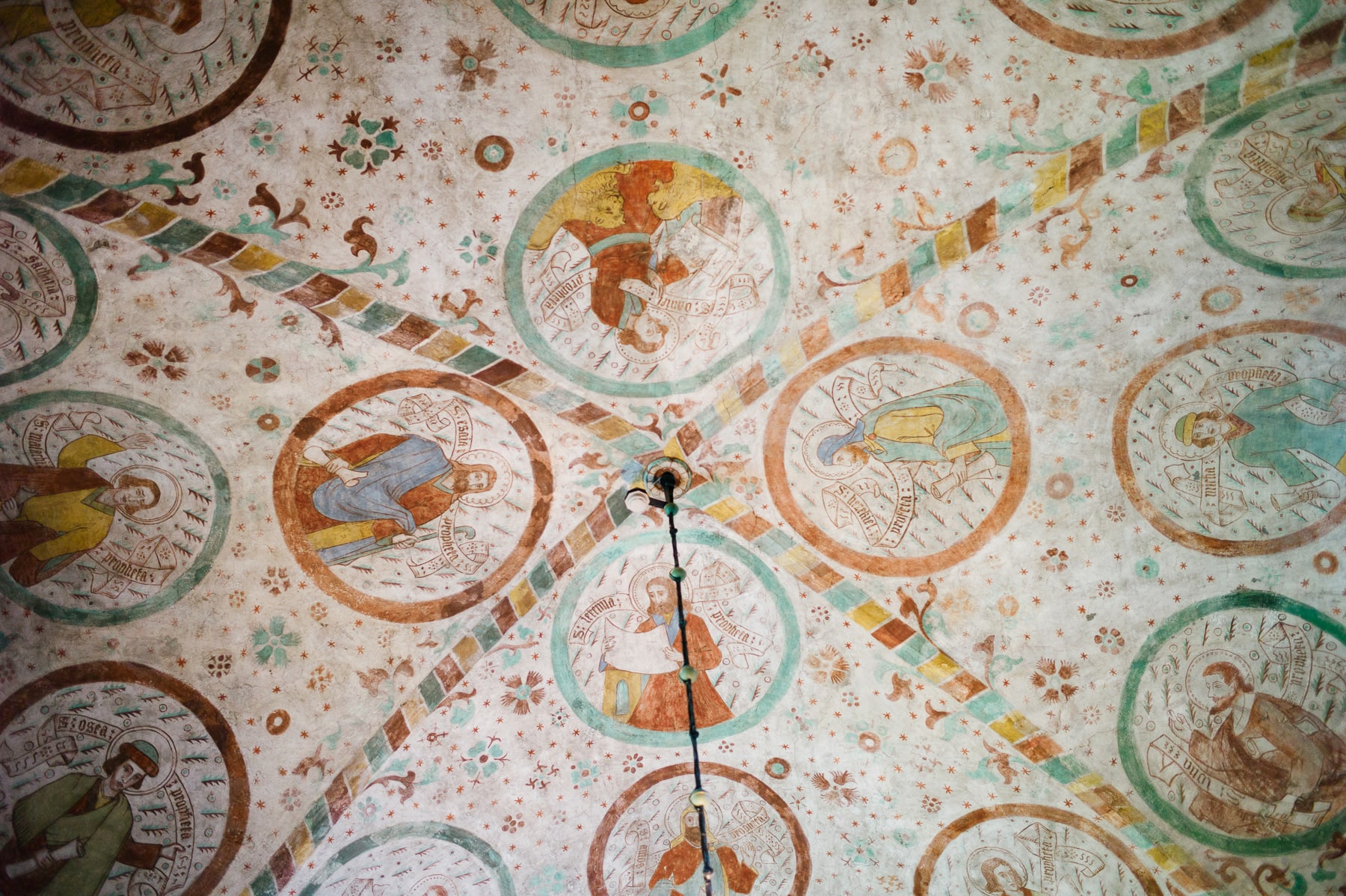
The old Västerplana church, built in the 1100s.
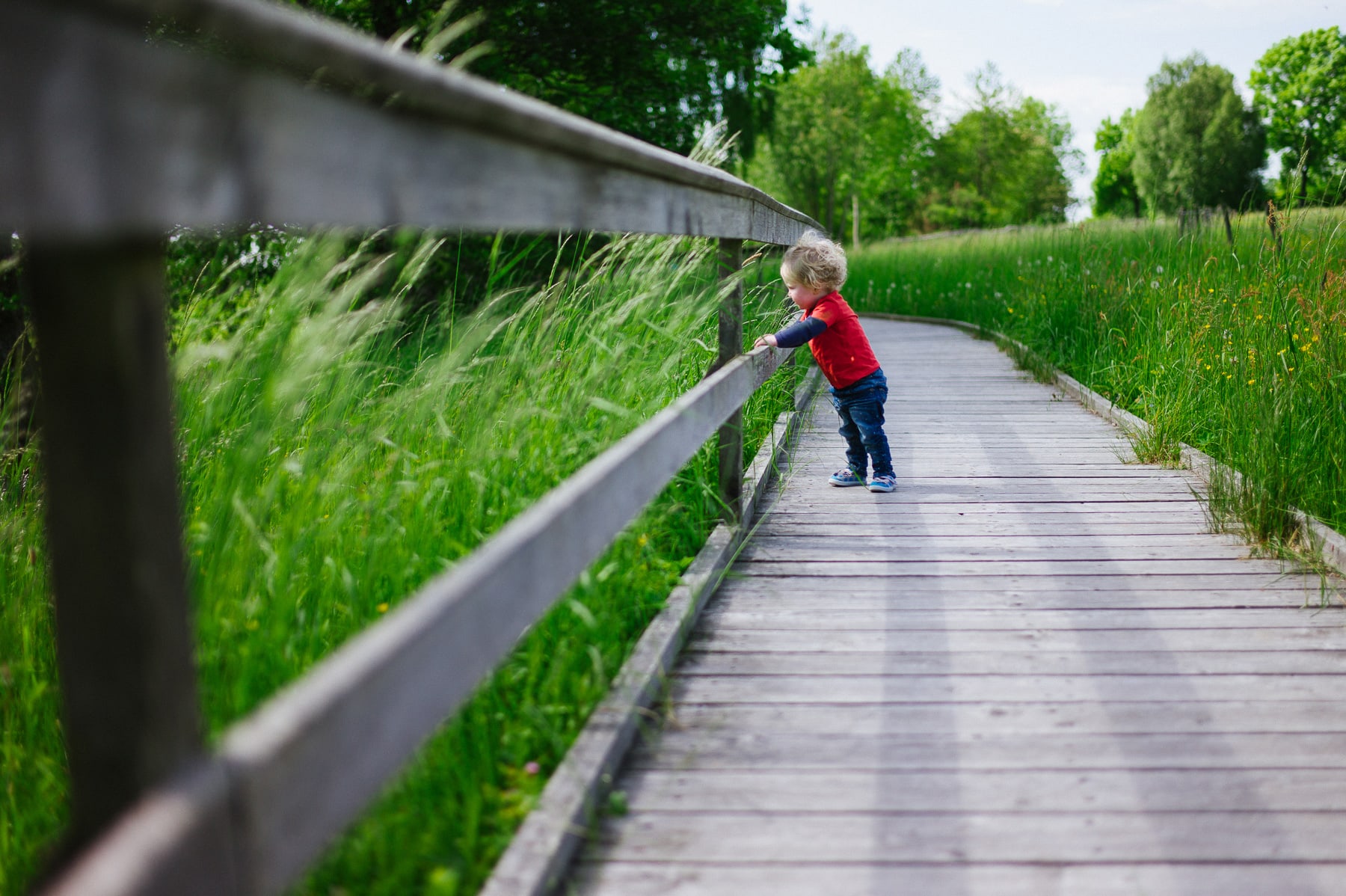
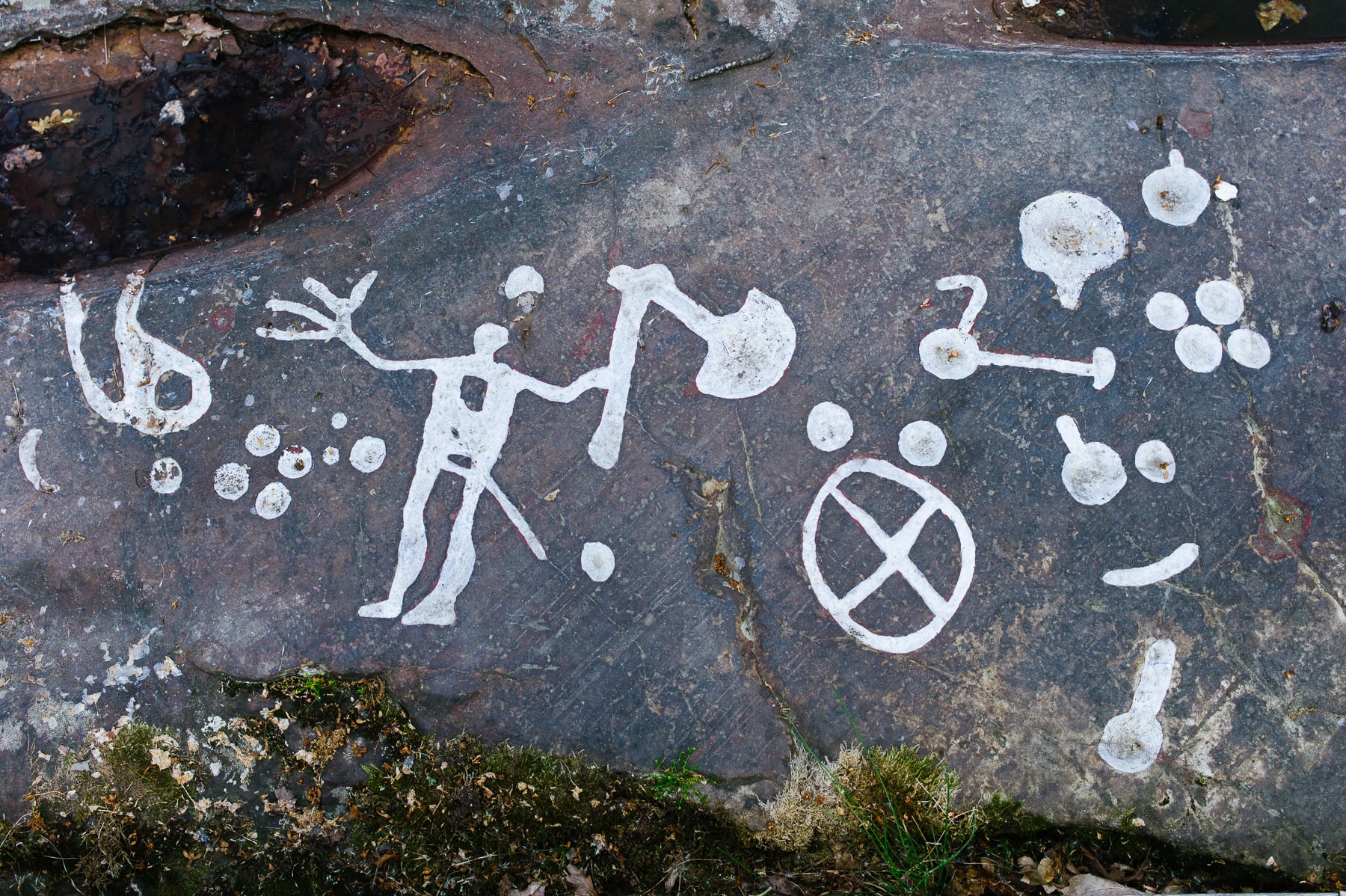
Mariestad & Kållandsö
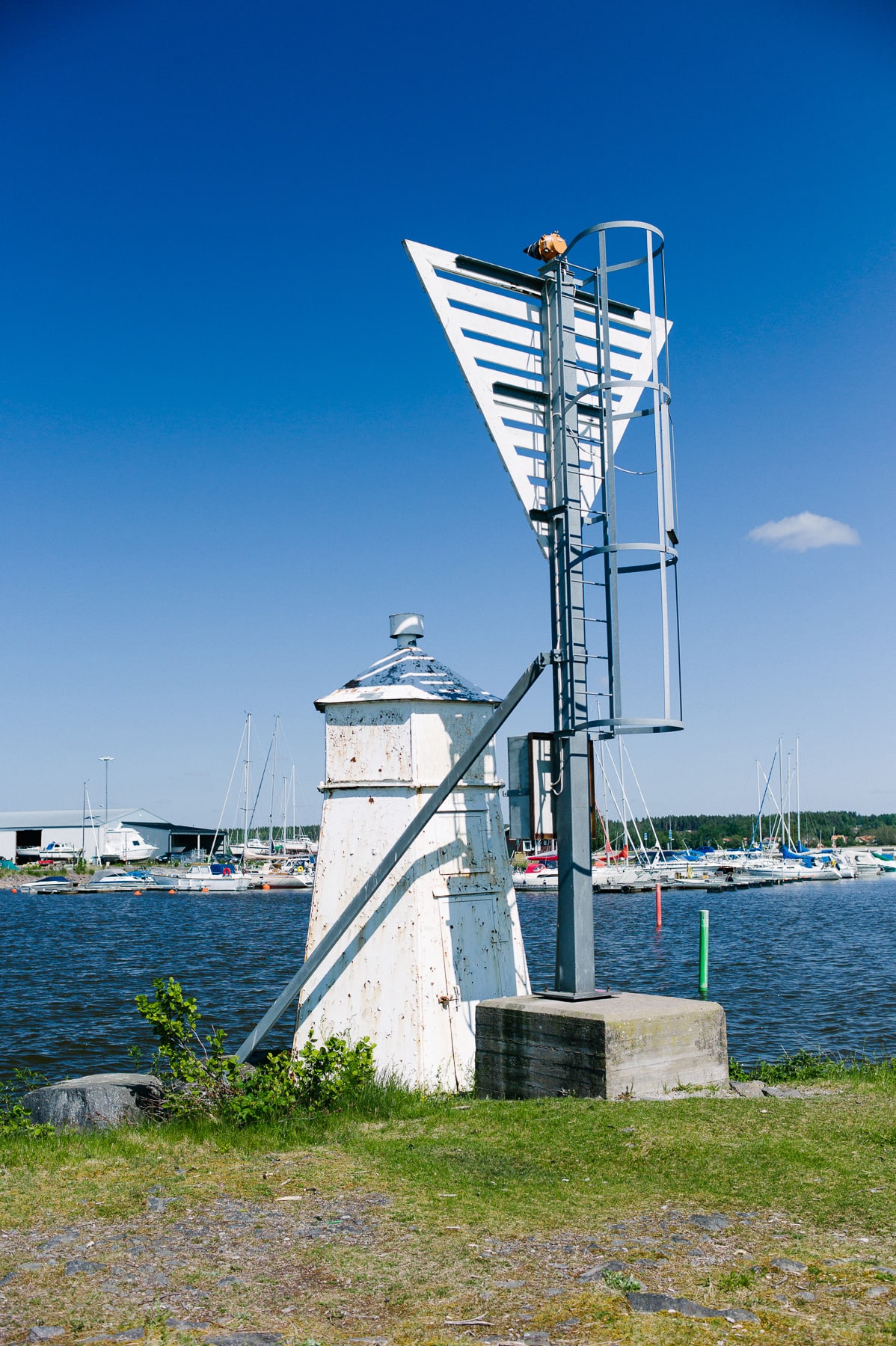
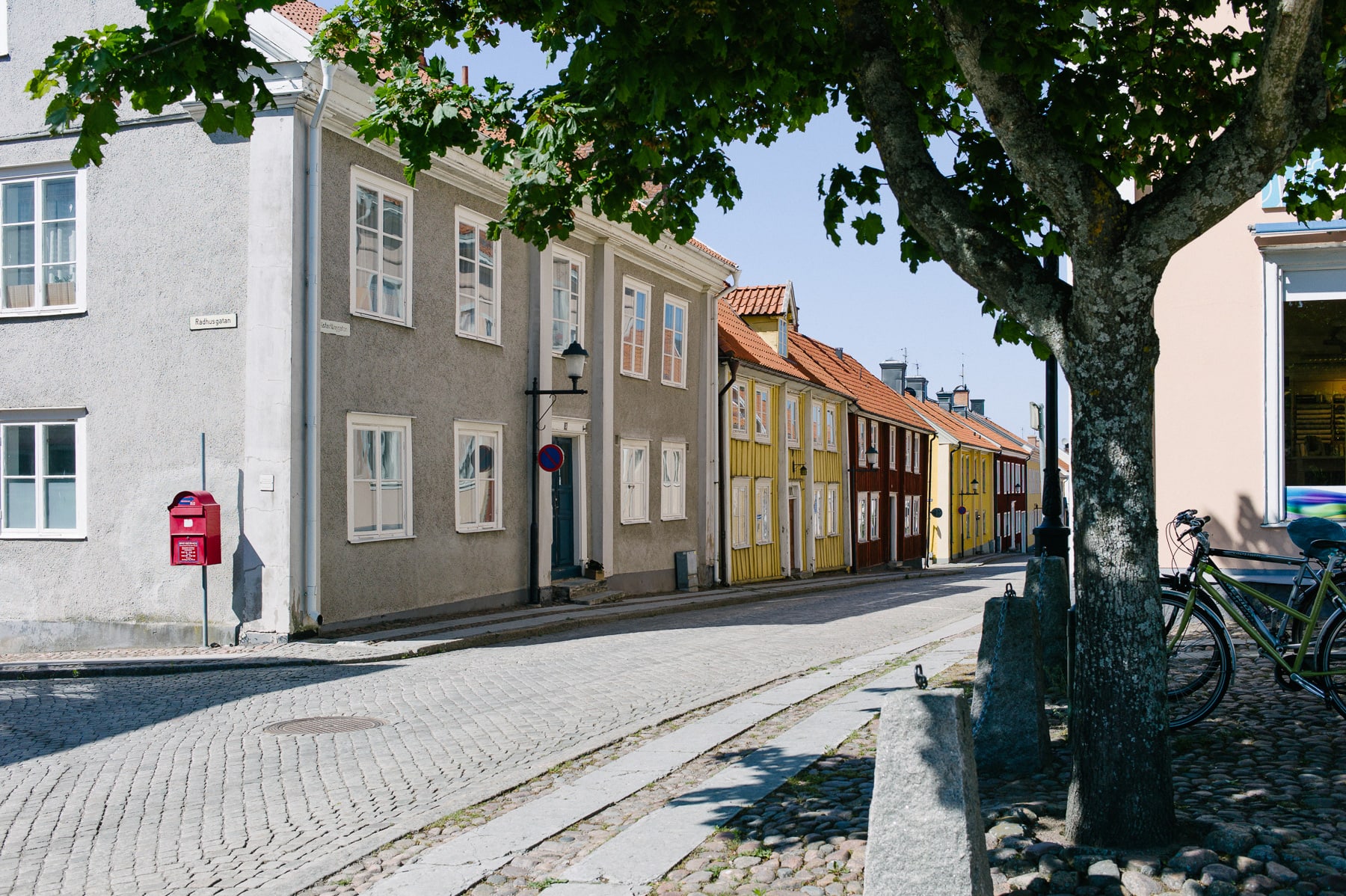
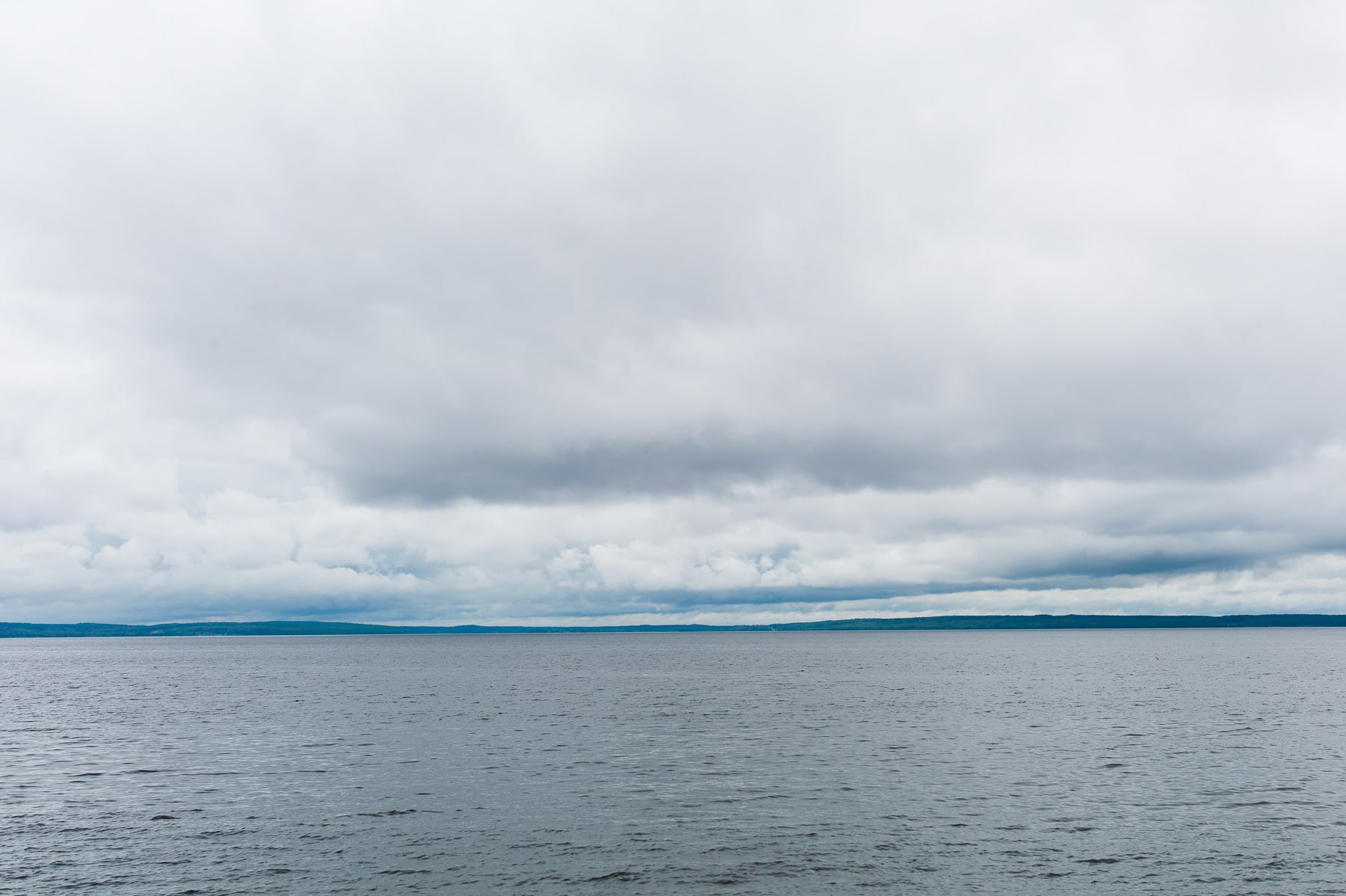
Mariestad is a town on the shore of Lake Vänern, the largest lake in Sweden (5,648 km² and 153 km³). The town is built both on the lakeshore and along the river Tidan. Narrow cobbled streets, an old harbour and typical period houses.
The Kållandsö peninsula reaches into Lake Vänern; it is the second largest island, with the small fishing village of Spiken at its tip.
Utnäset
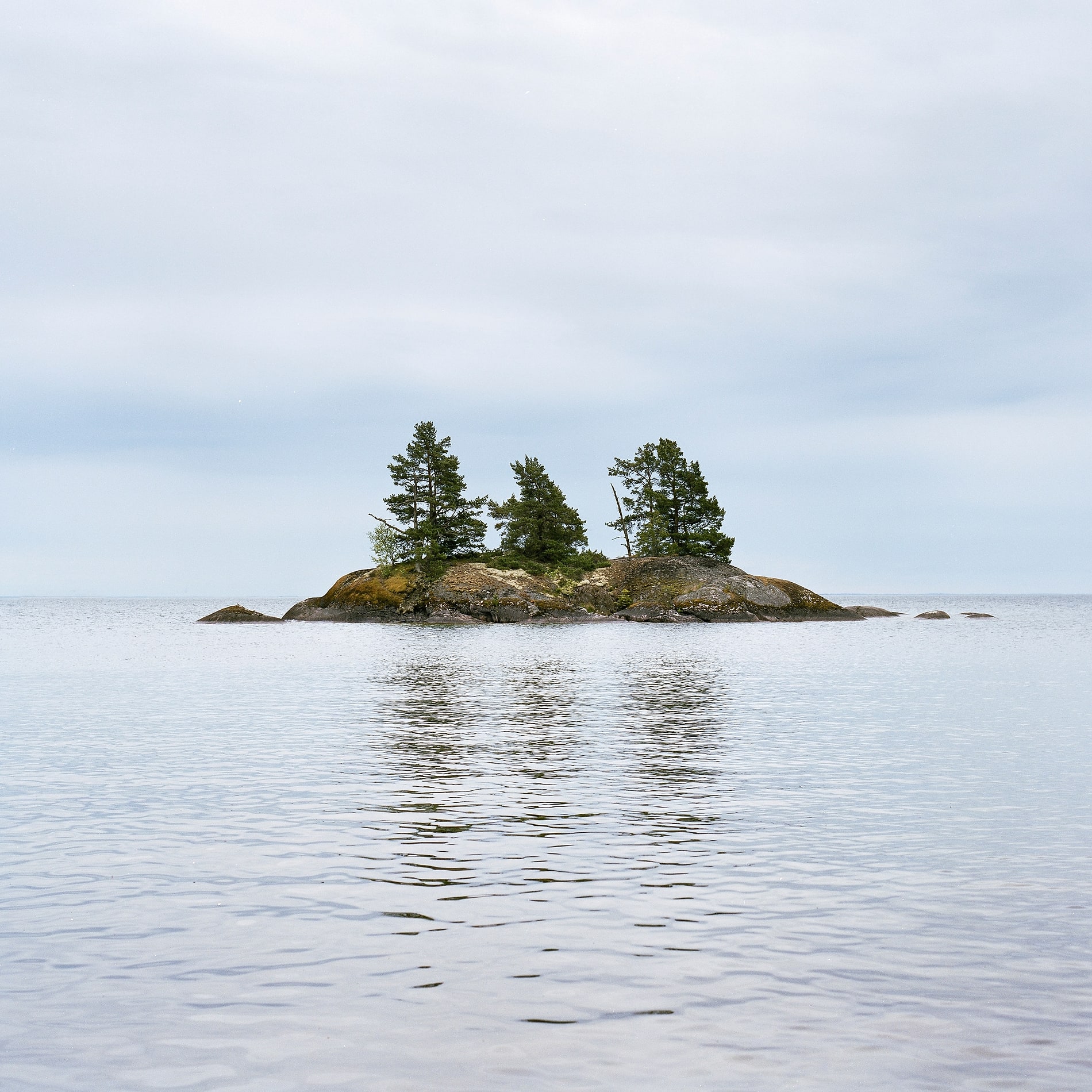
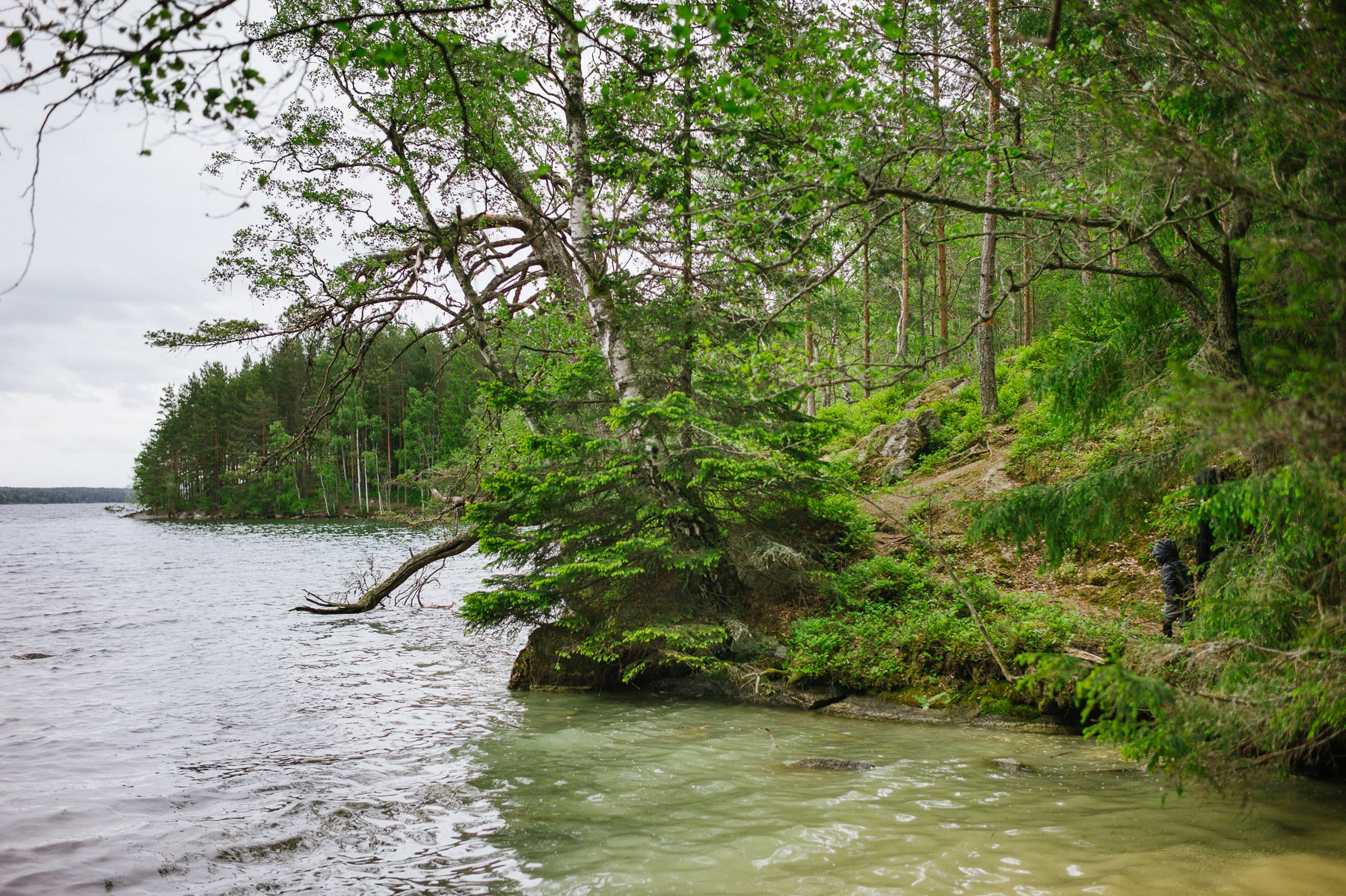
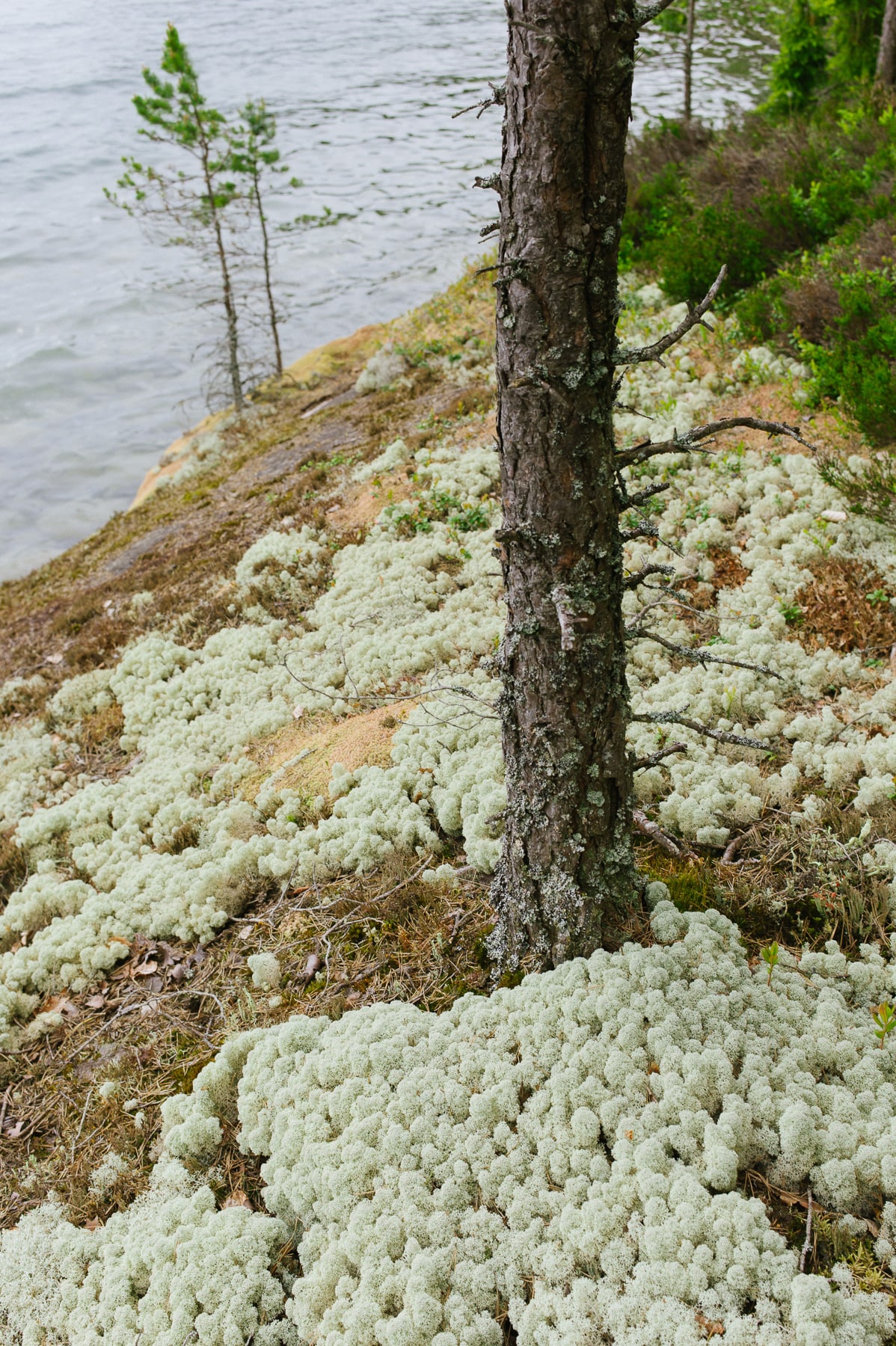
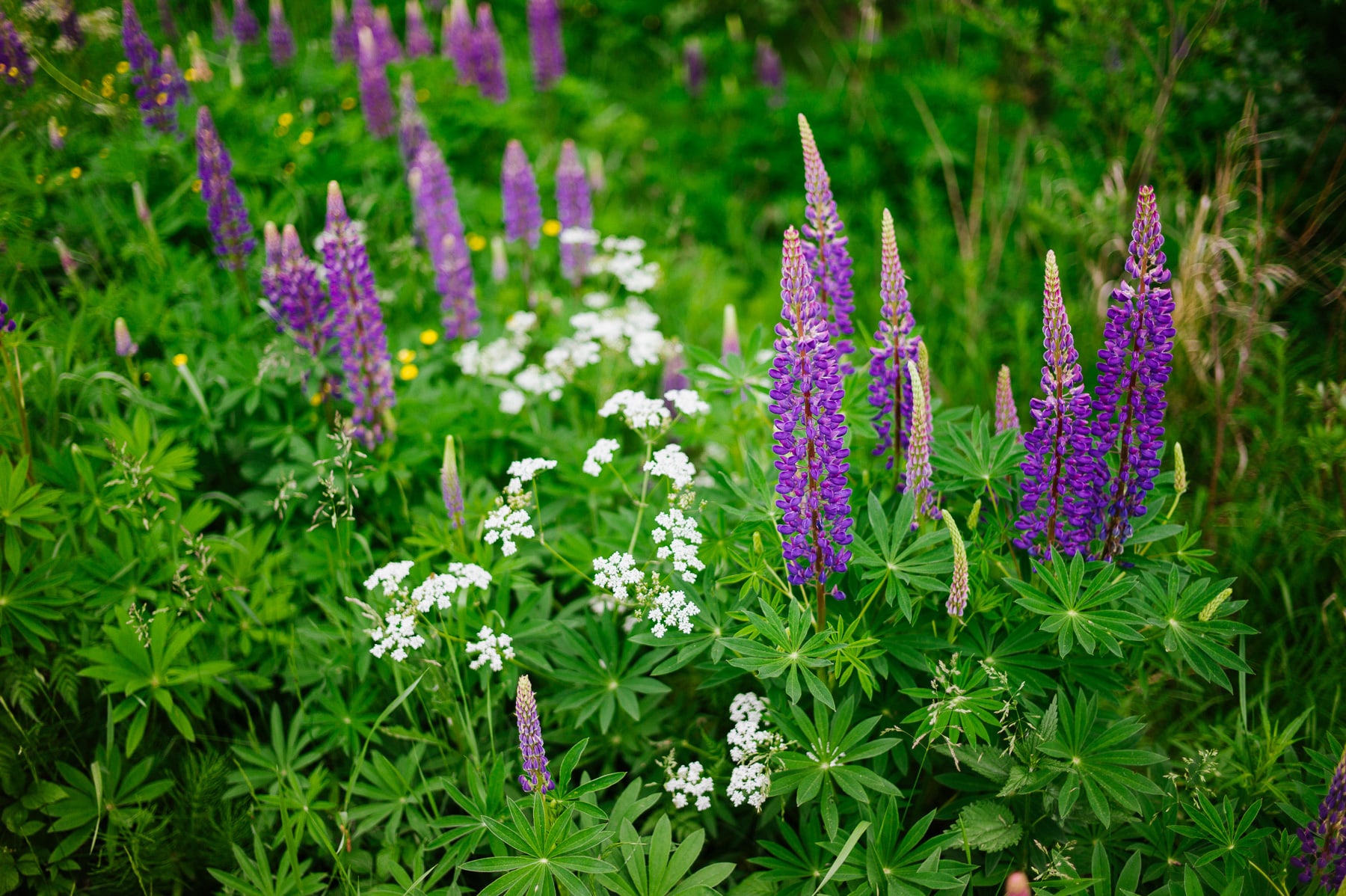
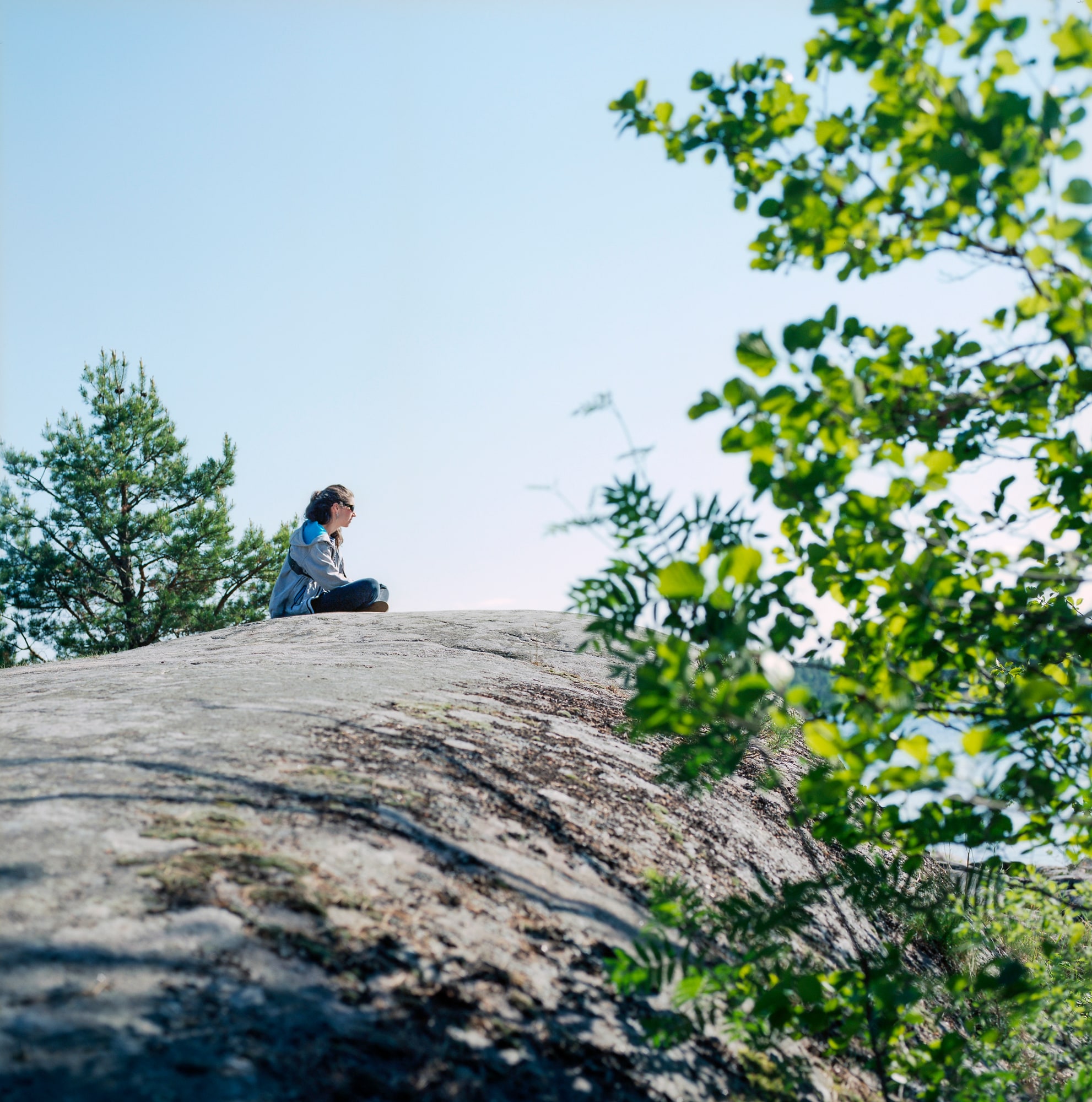
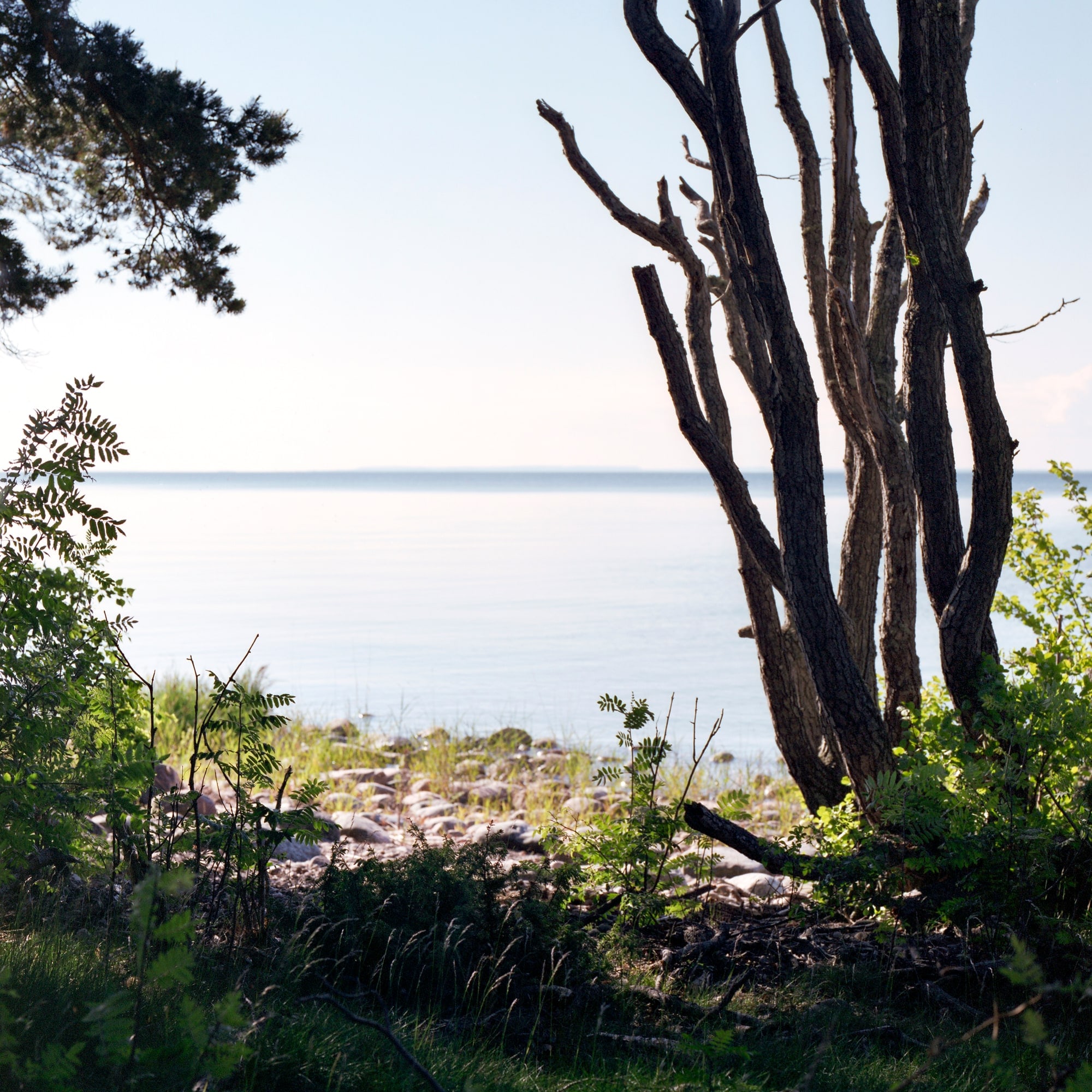
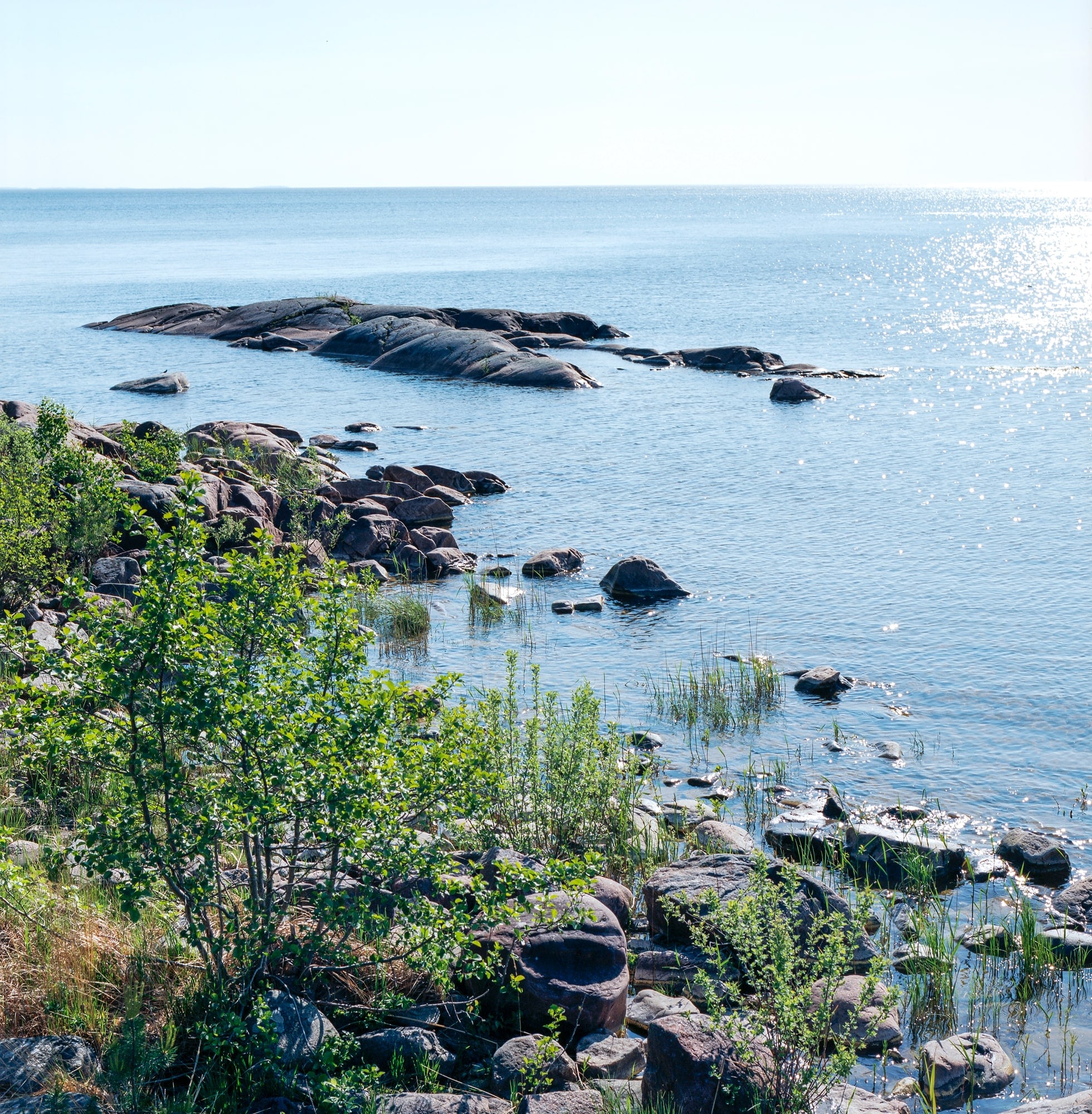
An archipelago within a nature reserve: rocky outcrops, three-hundred-year-old coniferous forest, a peninsula in the northern part of Lake Likstammen. This 80-hectare area, 34 of them water, holds a wealth of rare plants and fungi. The trails run largely along the water, over rocks and small beaches.
—
Leica M9, Summilux 1.4 35mm, Summilux 1.4 50mm
Hasselblad 501C, Planar 100mm, 80mm, Portra400, 160, Ektar 100