
Passing his sky
A series about rurality, the profane and the sacred.
About the way they shaped the landscape and our perception.
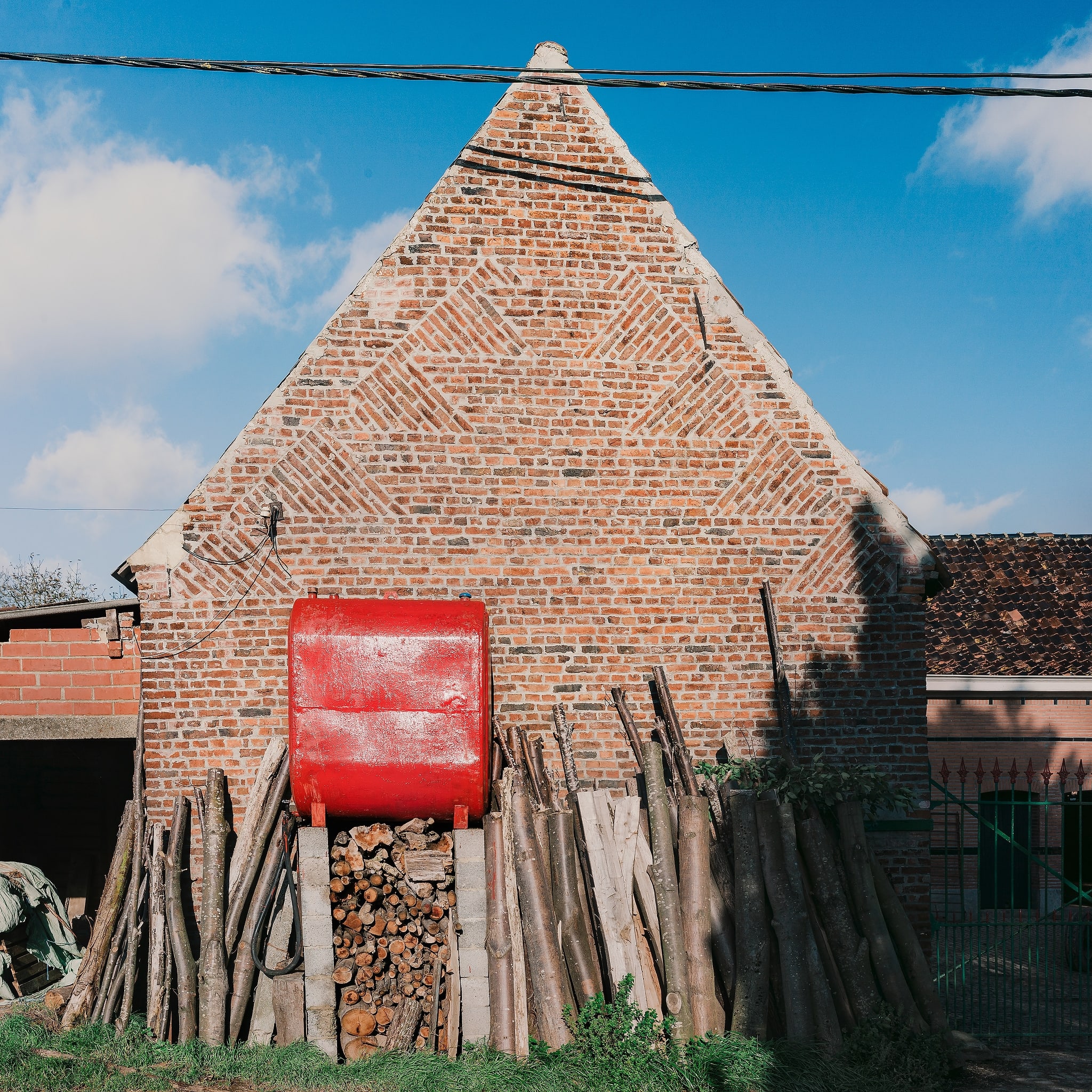
Permanence and mutations of landscape
The landscape we could observe yesterday has obviously changed along with man and his needs, his conceptions, his beliefs, his very presence within it: by living there, by working there. There is no doubt that the landscape is shaped by man himself, physically, but also through his perception, through his gaze.
There is also time, intrinsically tied to space, to place. The landscape — or the territory — where we used to live, and which we sometimes endured according to the rhythms of agri-cultural work, is seen today through the linear, calibrated measure of our contemporary societies. We no longer inhabit the landscape the way we once did.
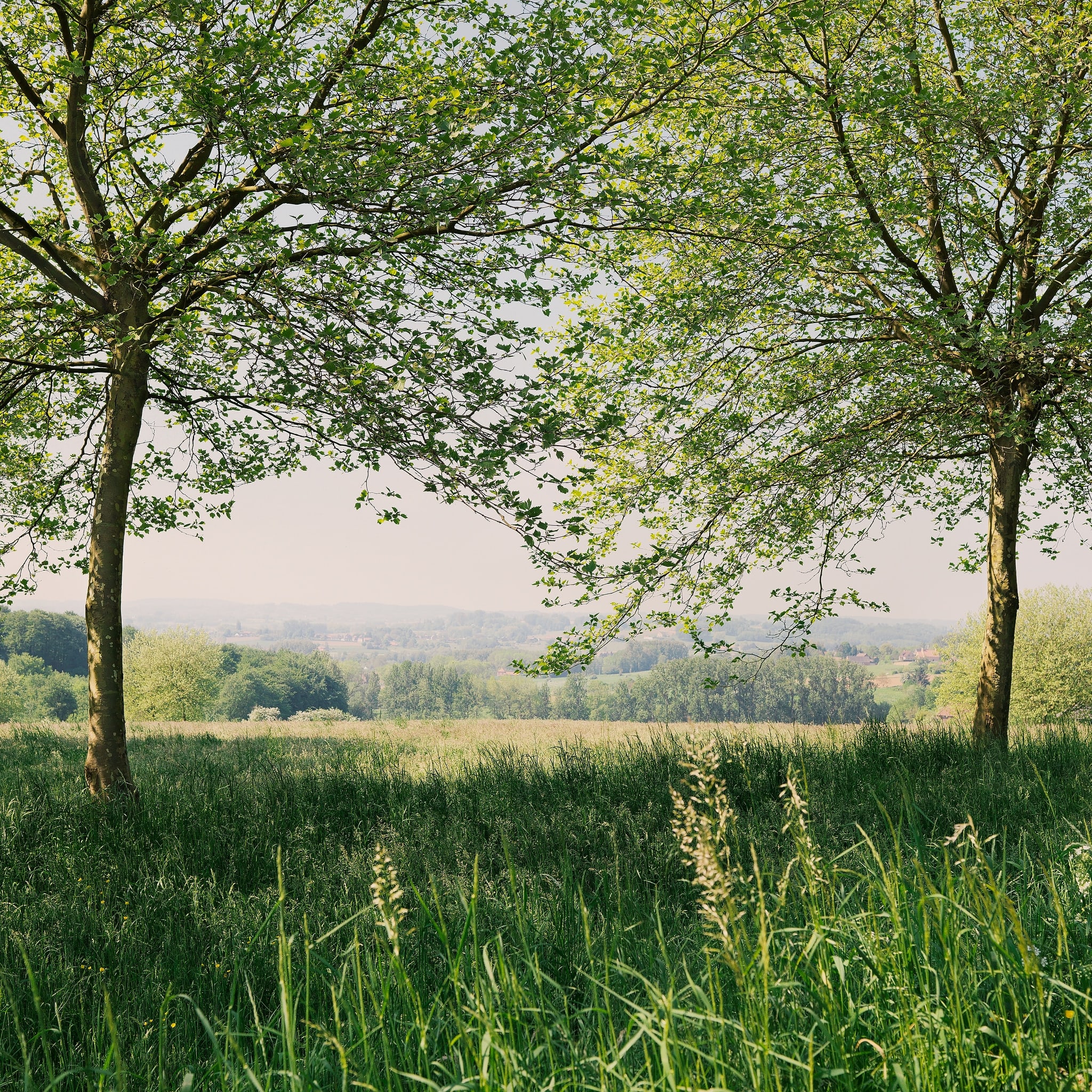
These places we think of as natural are no longer truly so. Most have become parks — natural or national parks, reserves. The hand of man will have protected them from the outside, from himself, from time, by freezing them. Yet these natural places exist only through the gaze we cast upon them. Despite the opposite intention, they are caught in a process of transformation, having lost their own temporality.
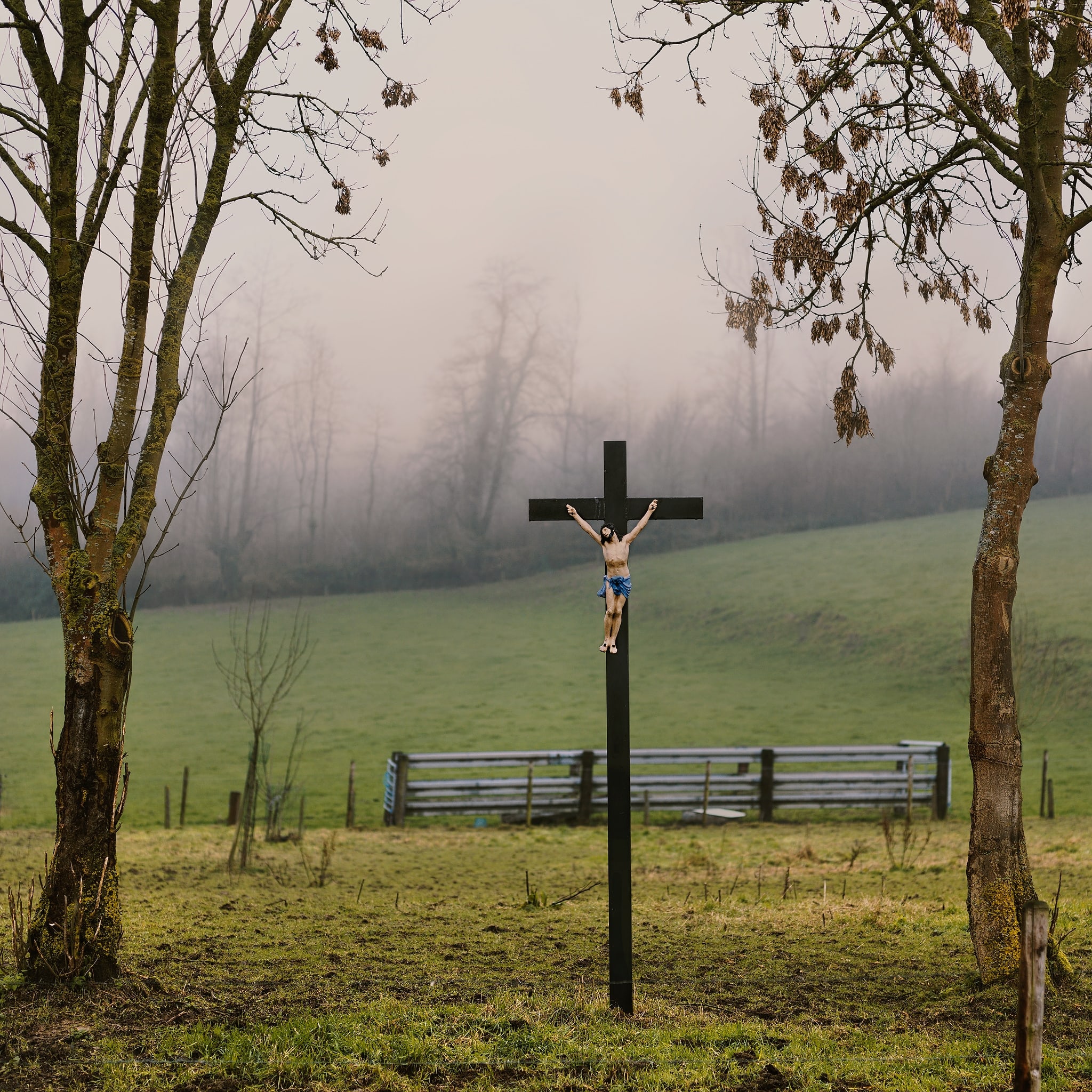
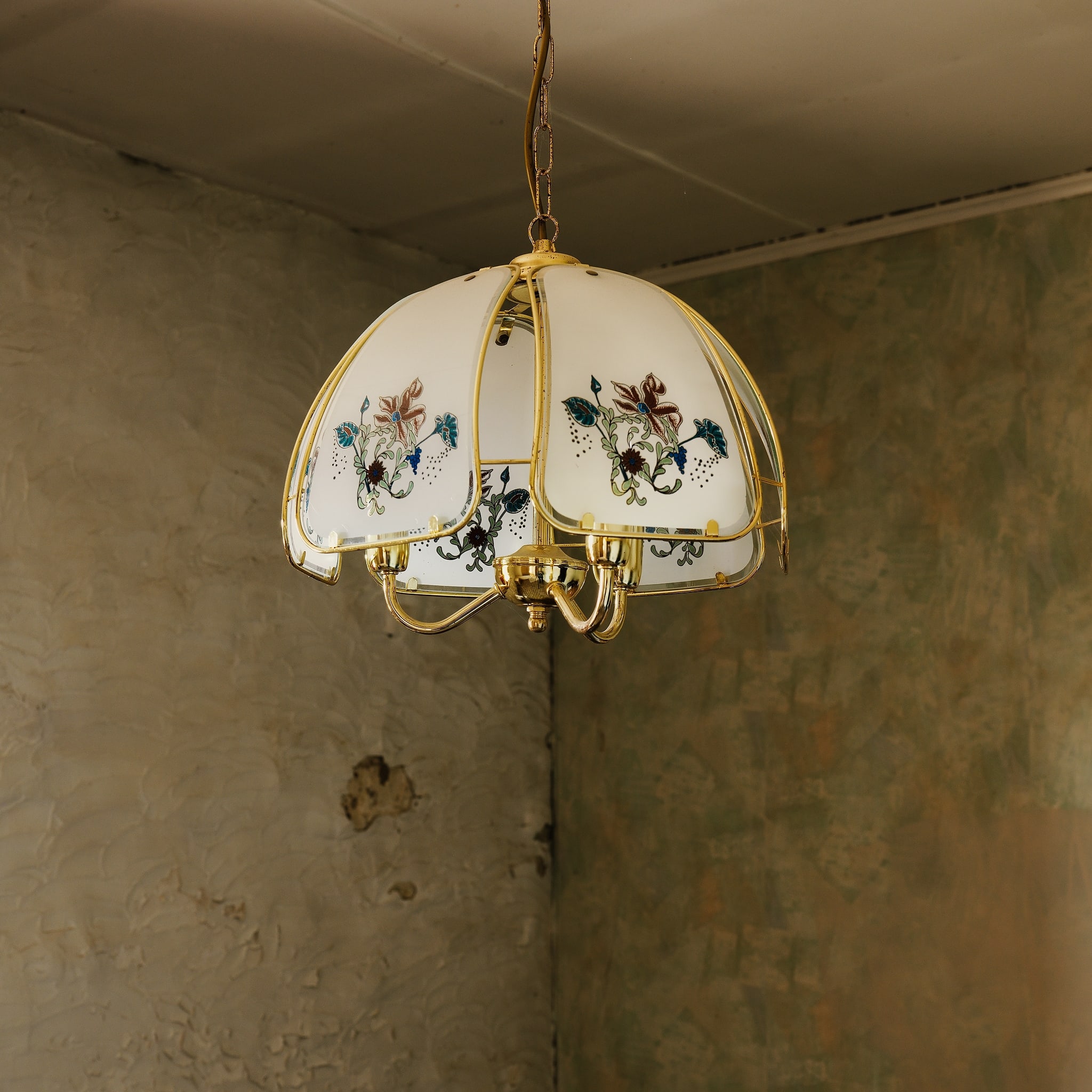
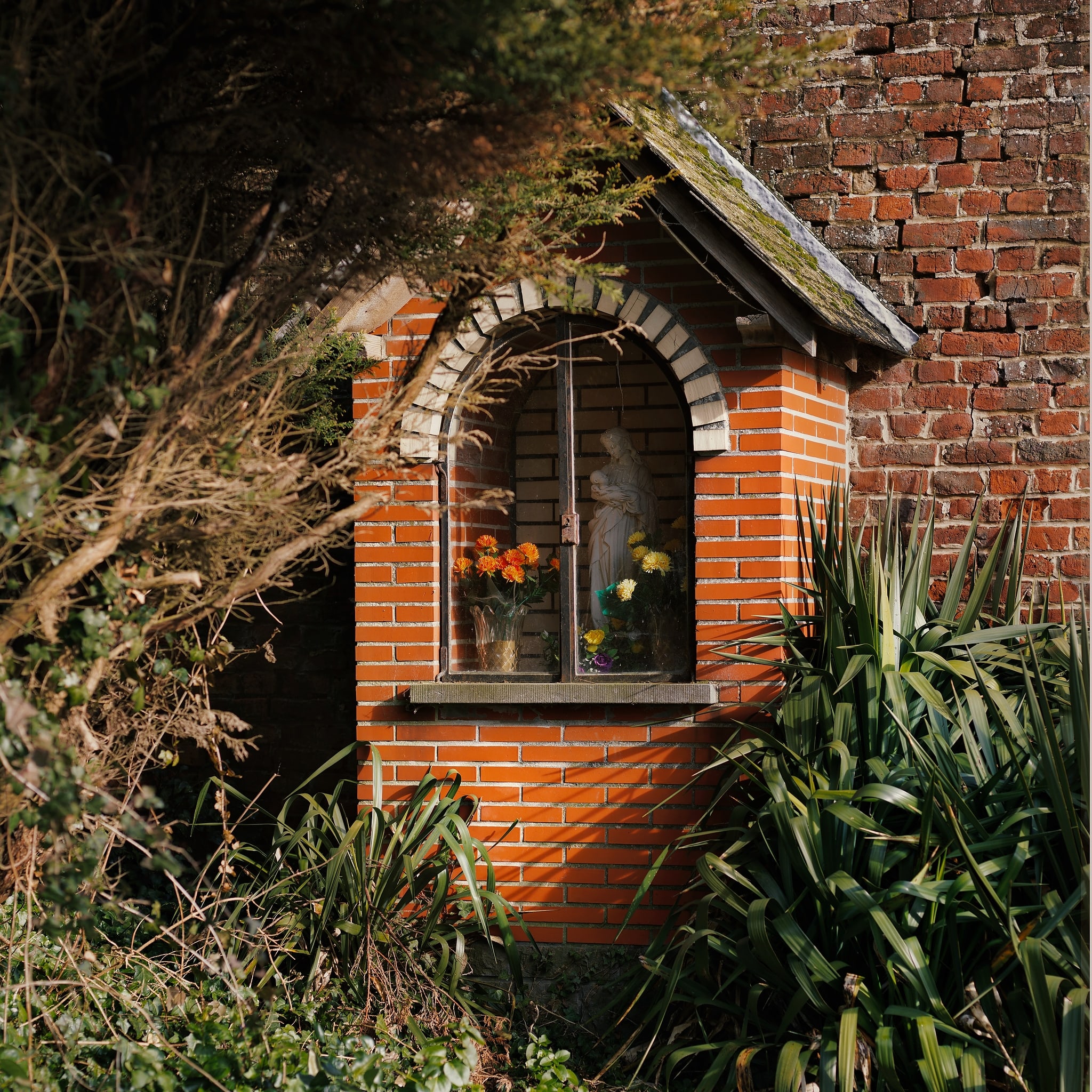
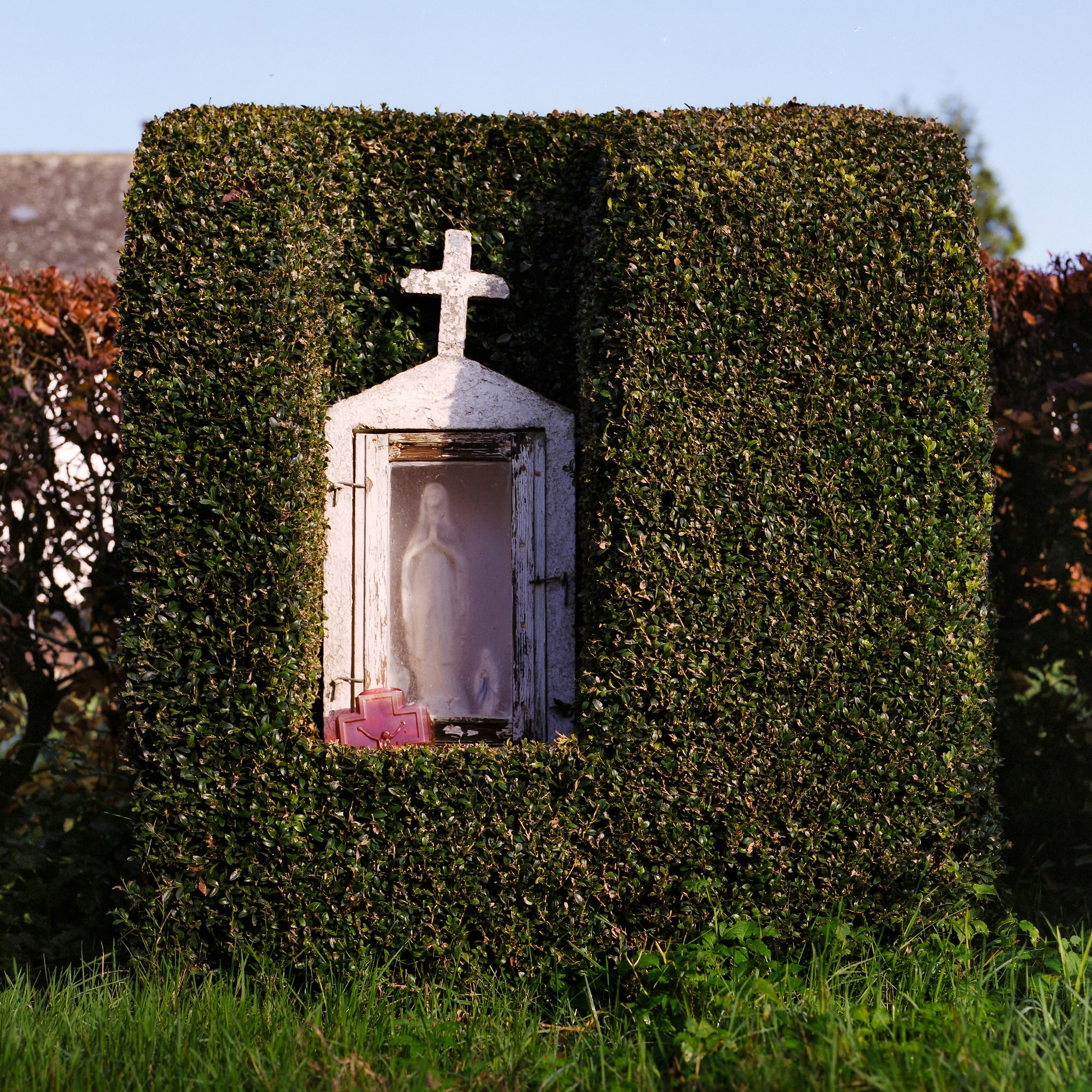
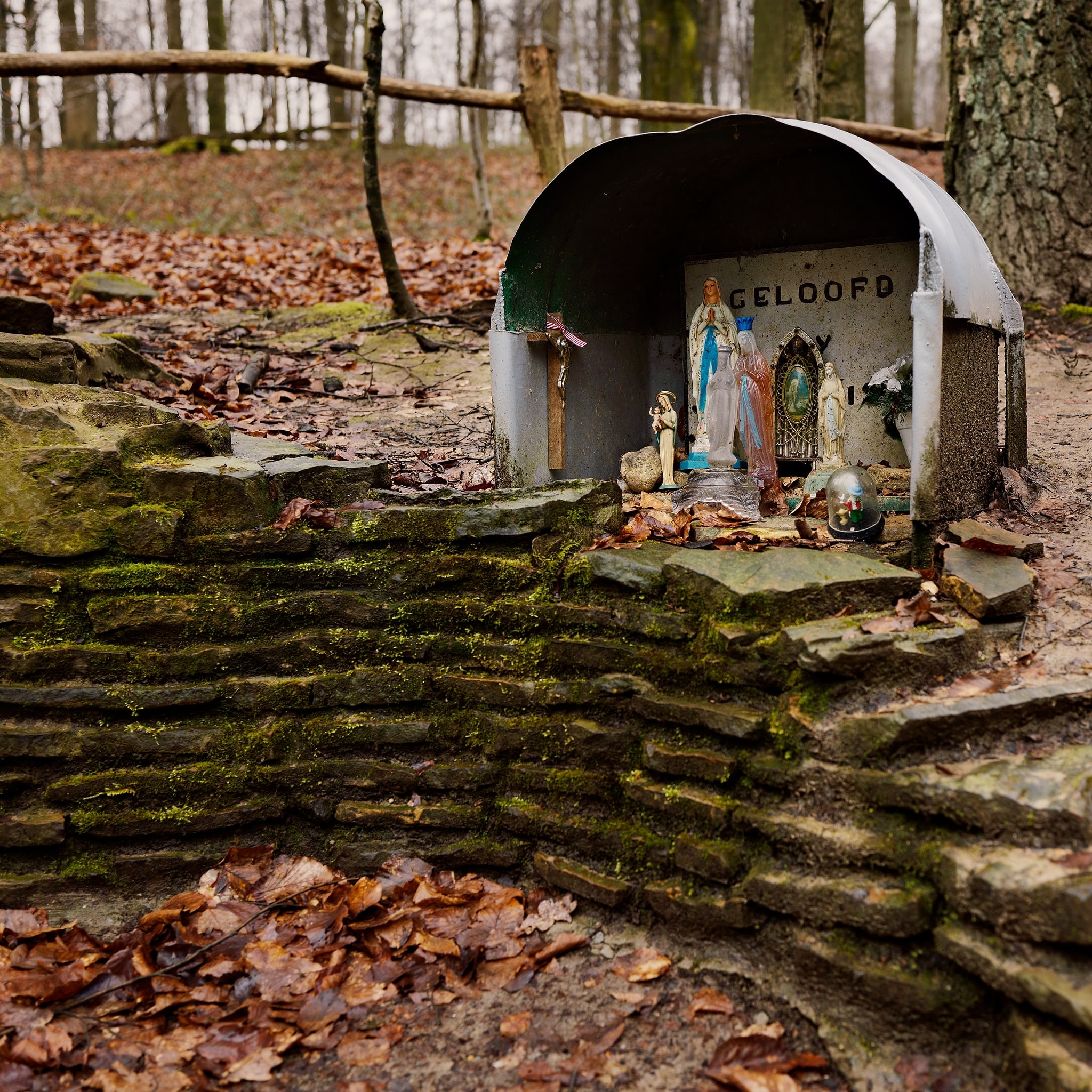
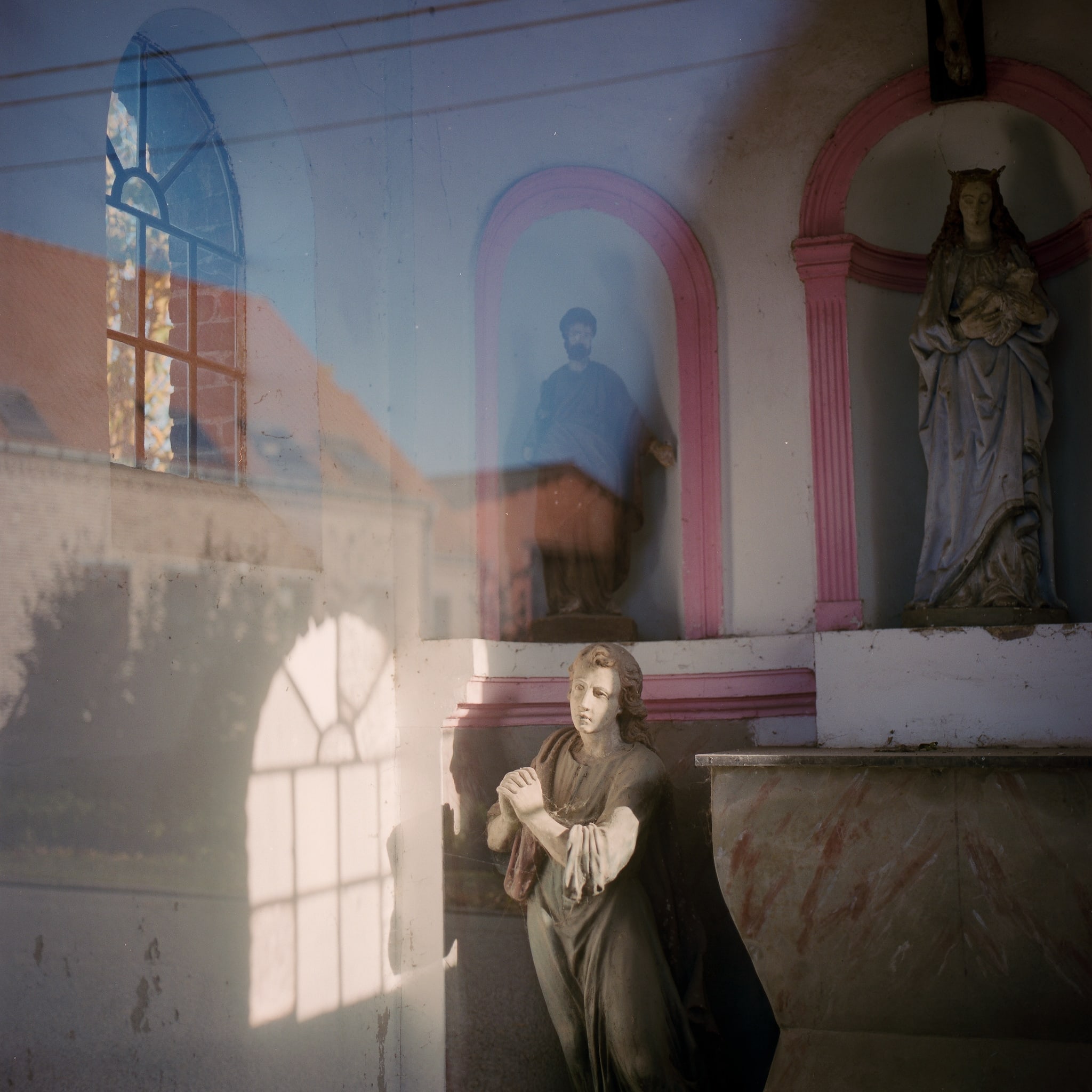
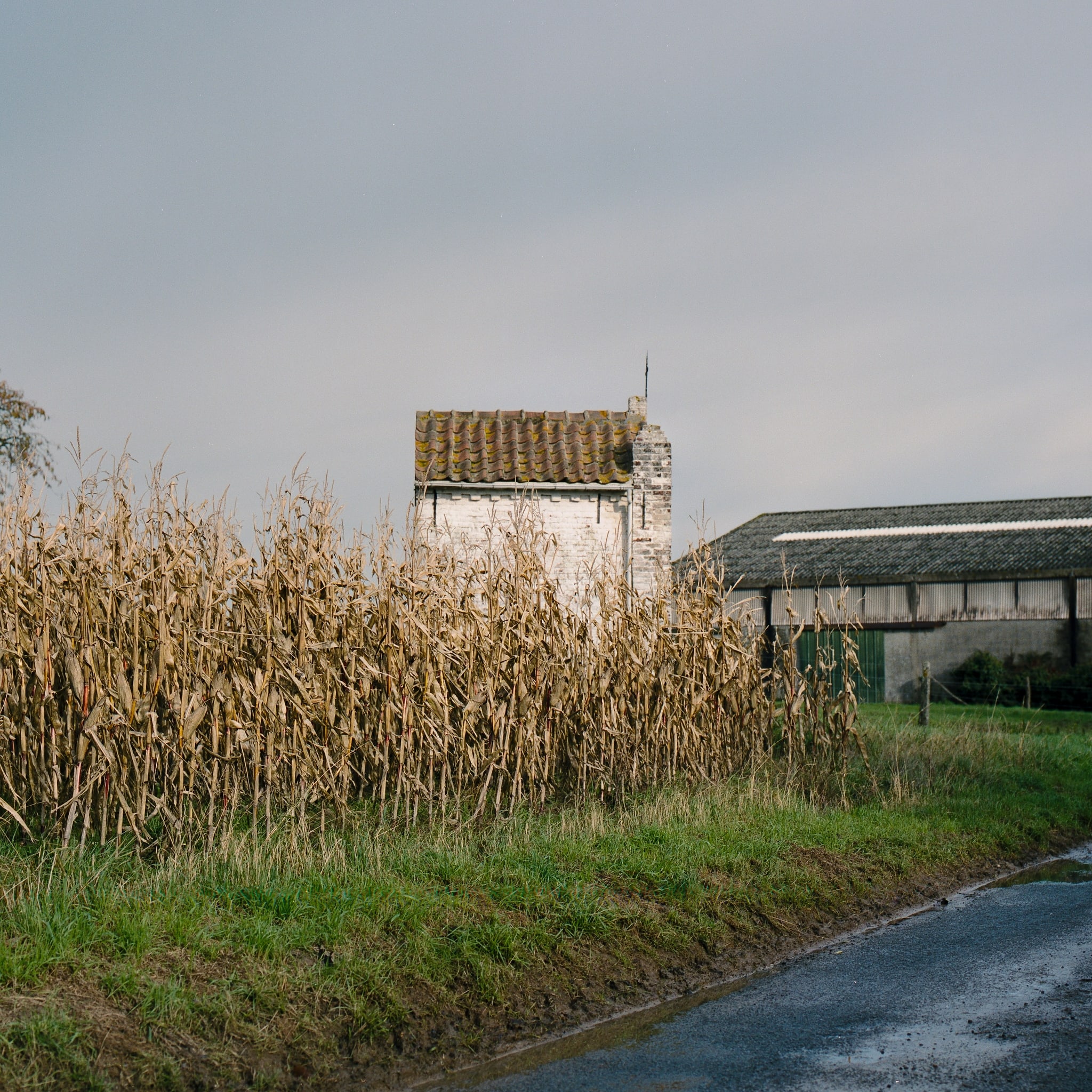
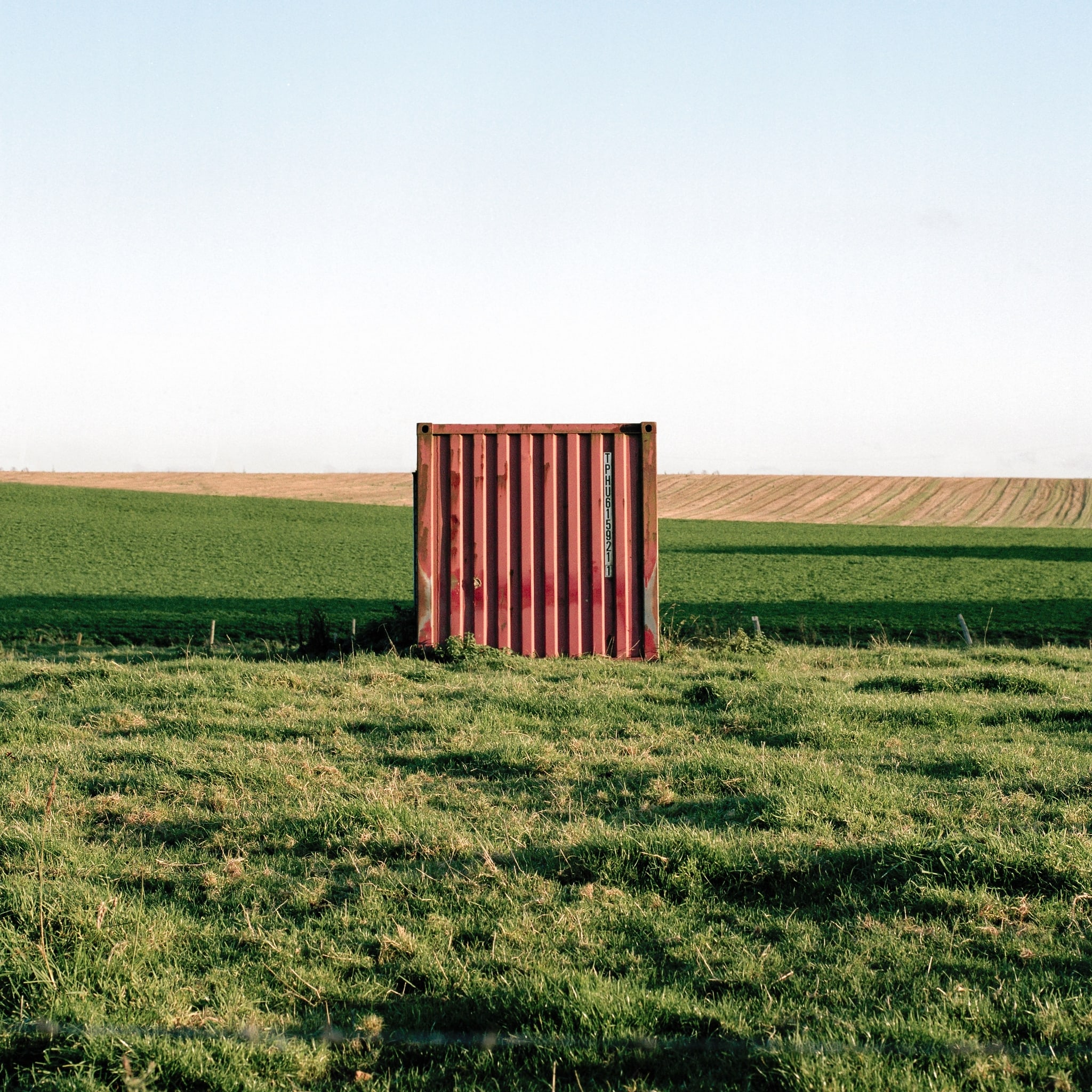
In this series, these elements are juxtaposed — whether physical (landscape and habitat), temporal (old and new) or symbolic (sacred and profane, the celestial and the earthly). It is in the space between the highlighting of these elements and the observation itself that I envisaged this sequence of images: a moment suspended between a past and a present of a shifting rurality, between the cycles of the elements and the rhythm of man, between the religious and the profane, memory and oblivion. One the echo of the other, one encompassing the other.
My photographic approach is no doubt influenced by the New Topographics, my gaze in turn shaped by my work as a graphic designer, and by the fact that I carried out this reflection as a resident, a citizen, within my own close, local surroundings — casting a distanced gaze and confronting the elements before my eyes. Although this approach takes root locally, the series does not seek to describe the specificity of a territory.
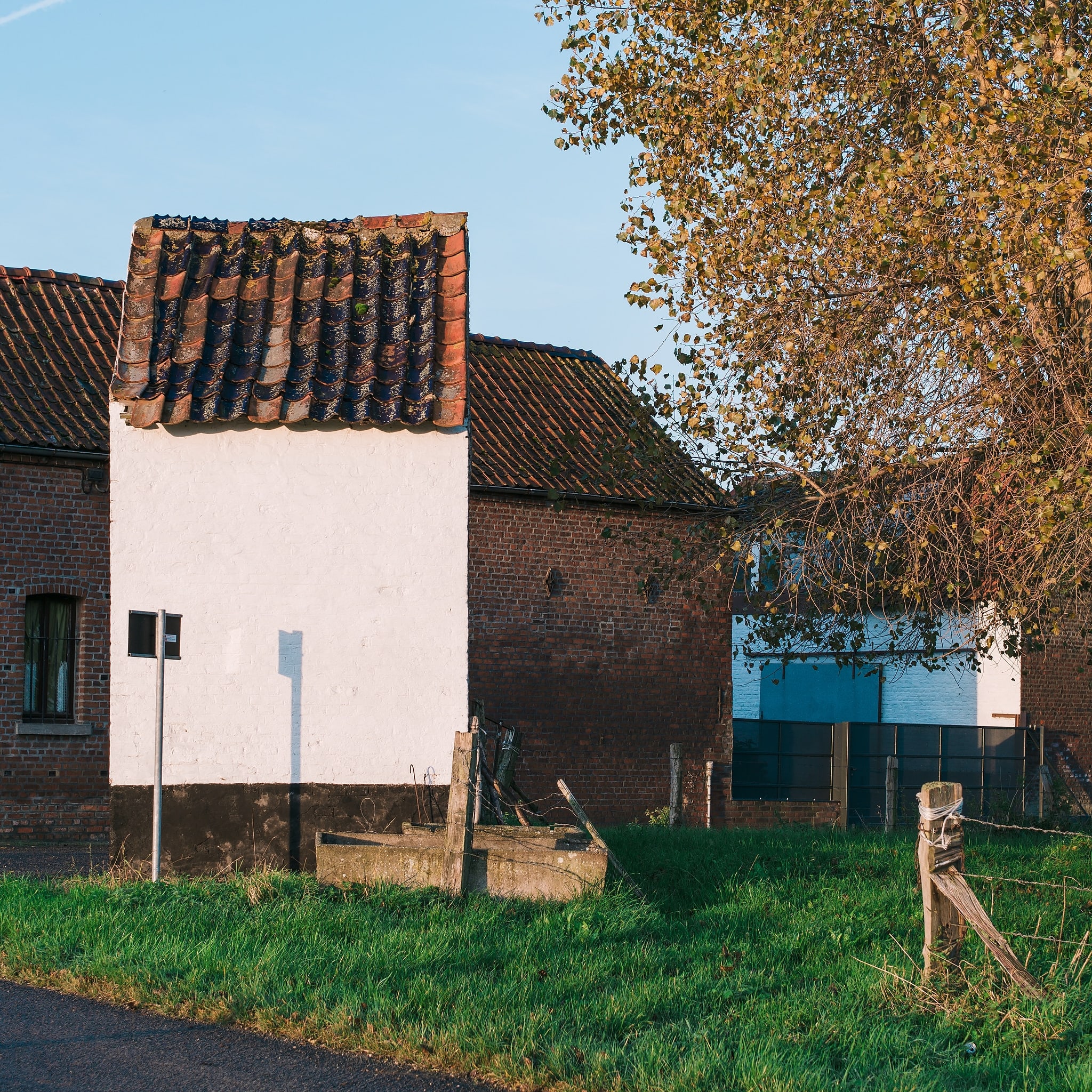
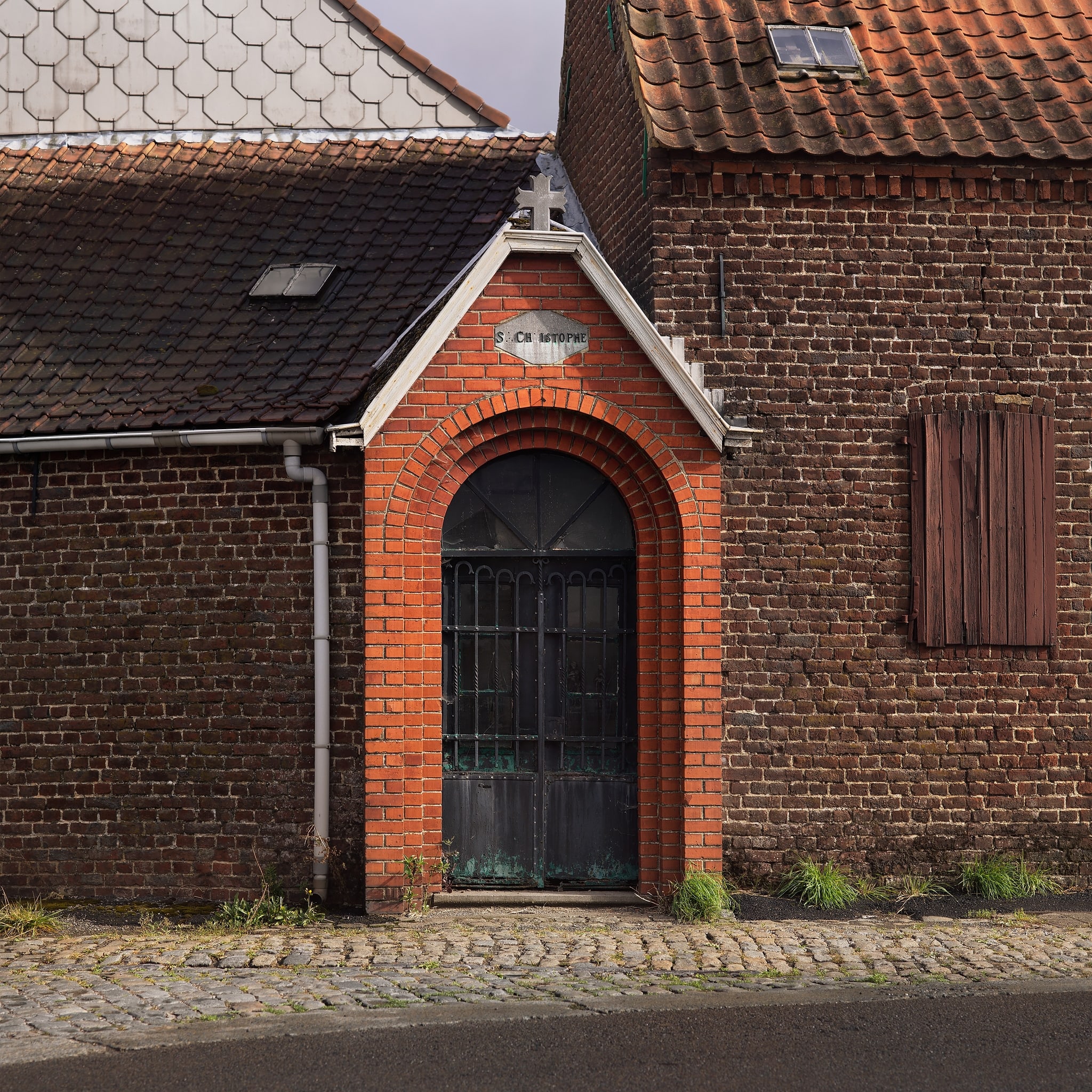
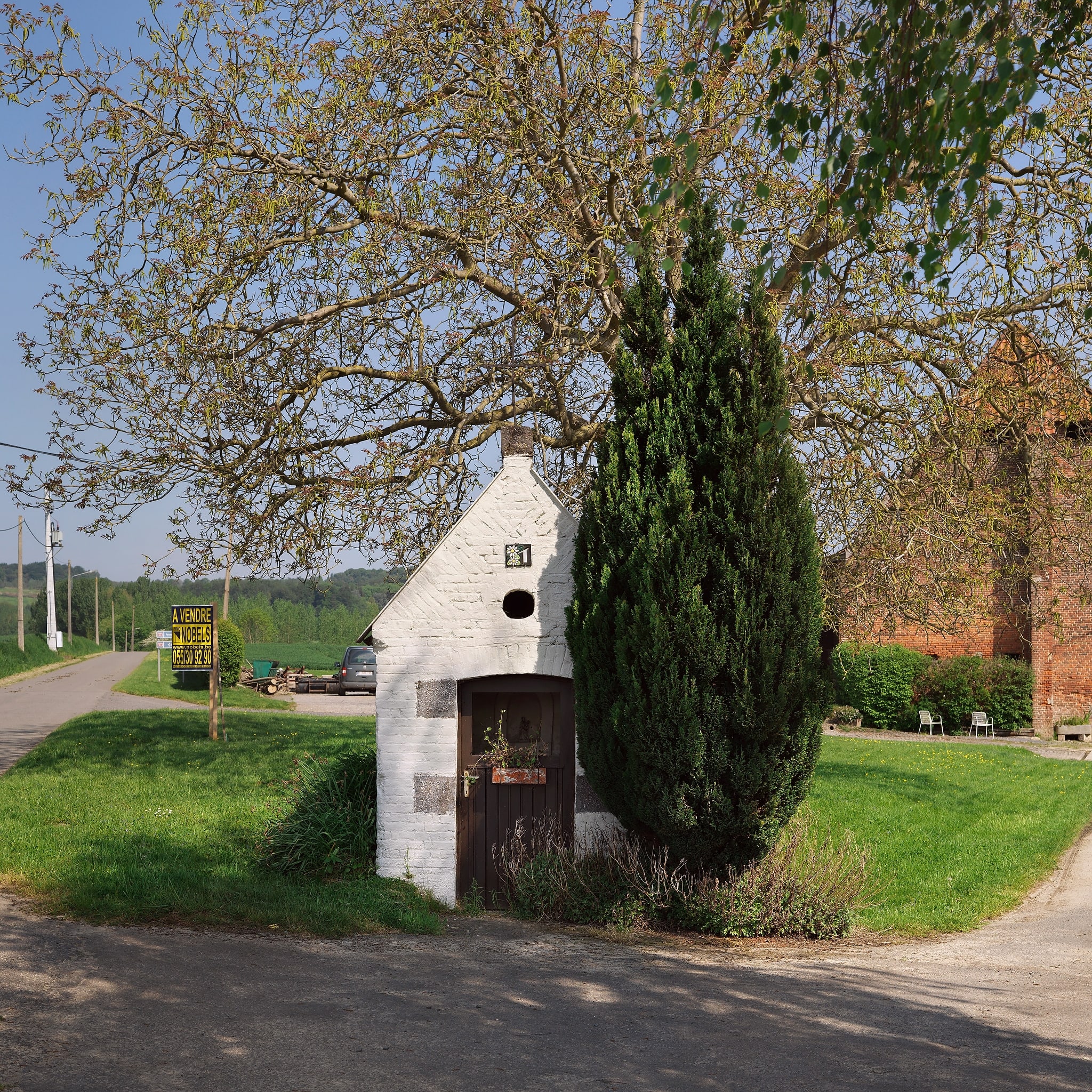
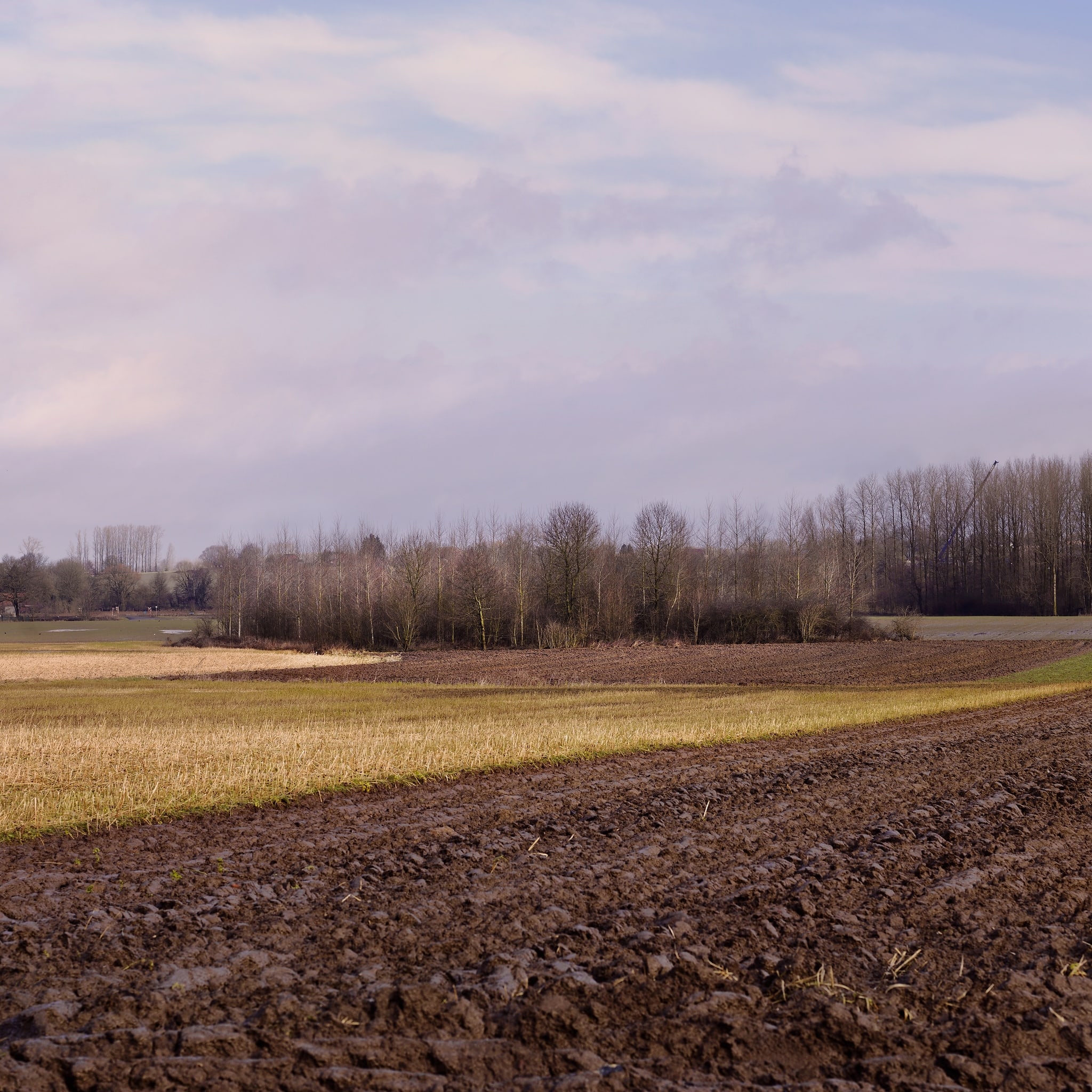
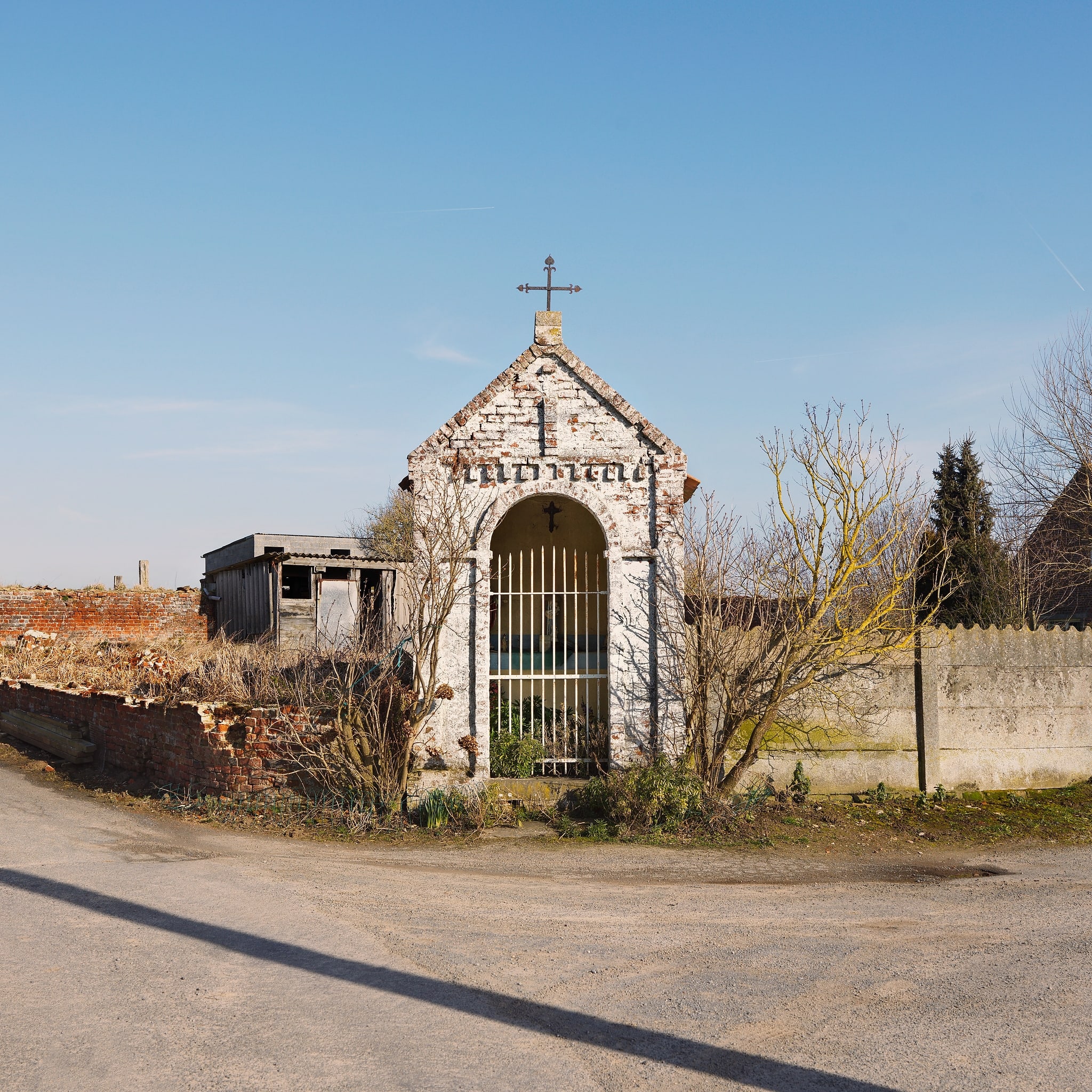
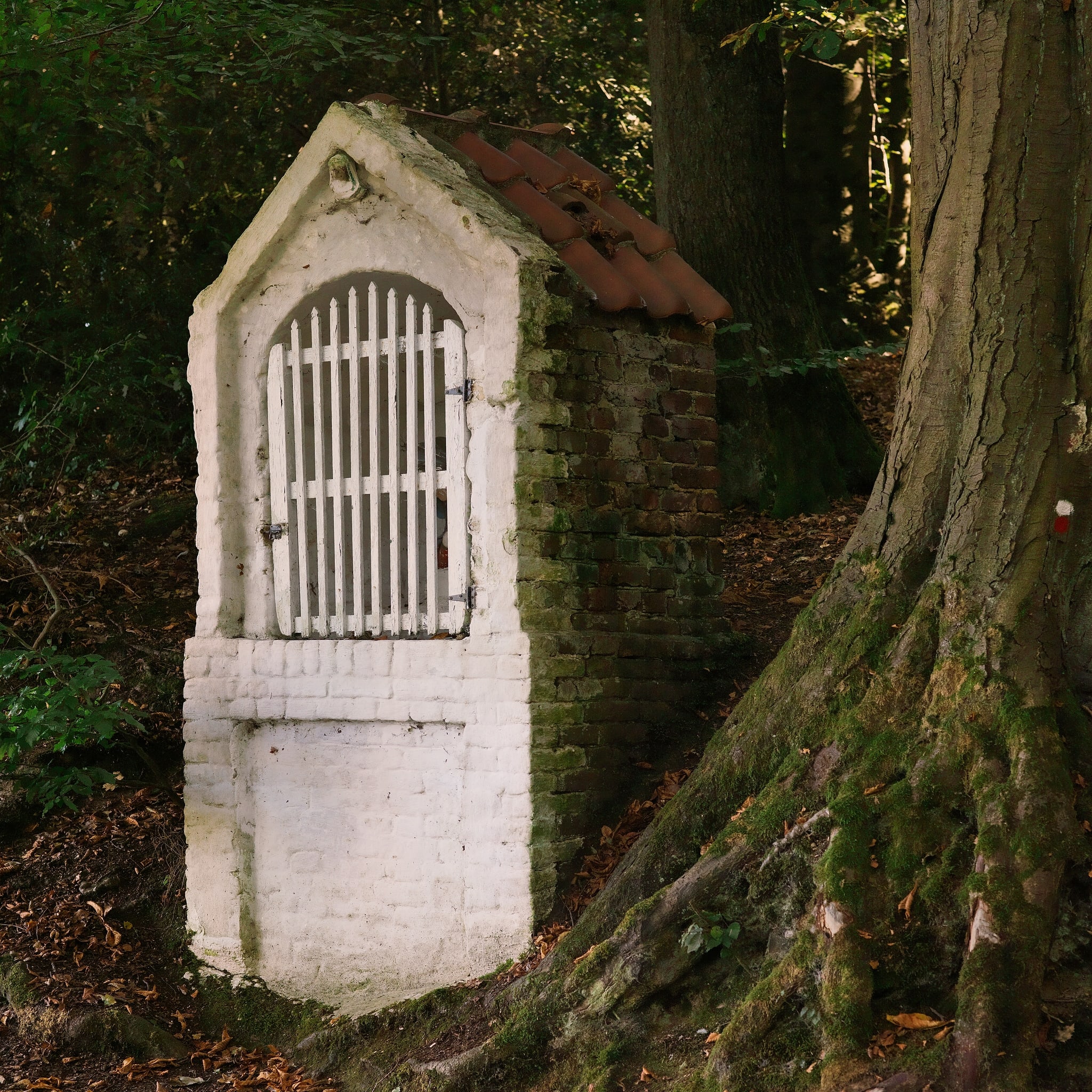
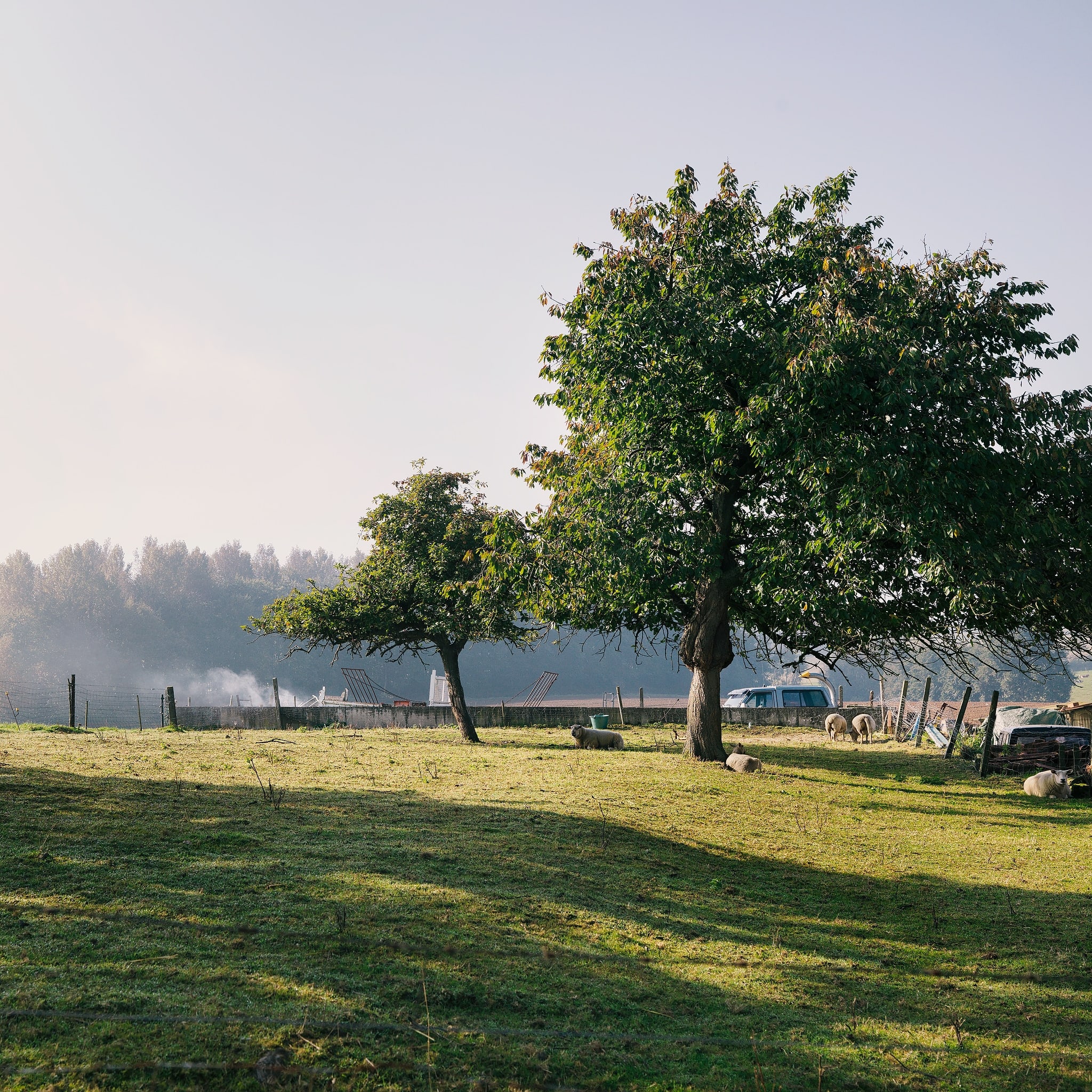
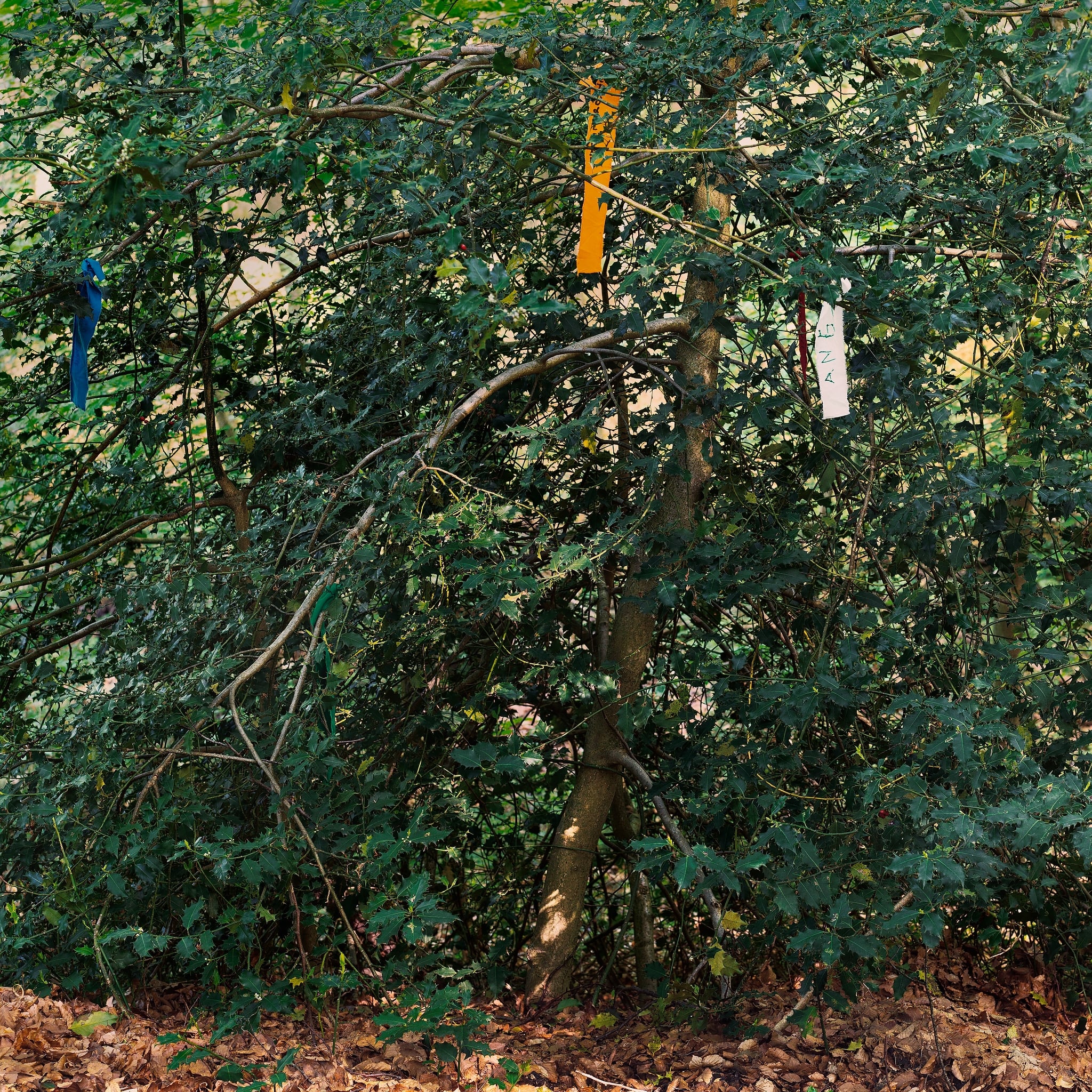
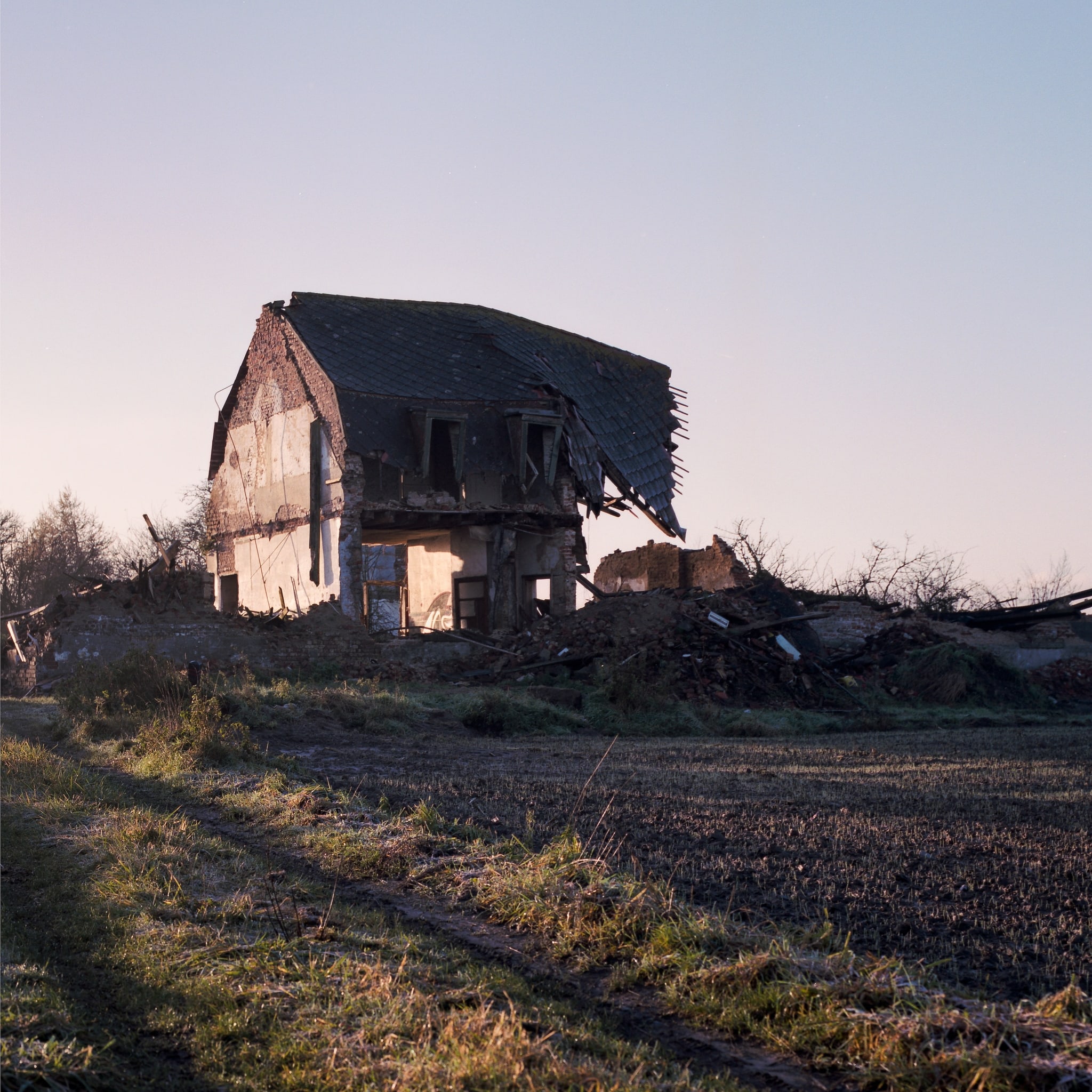
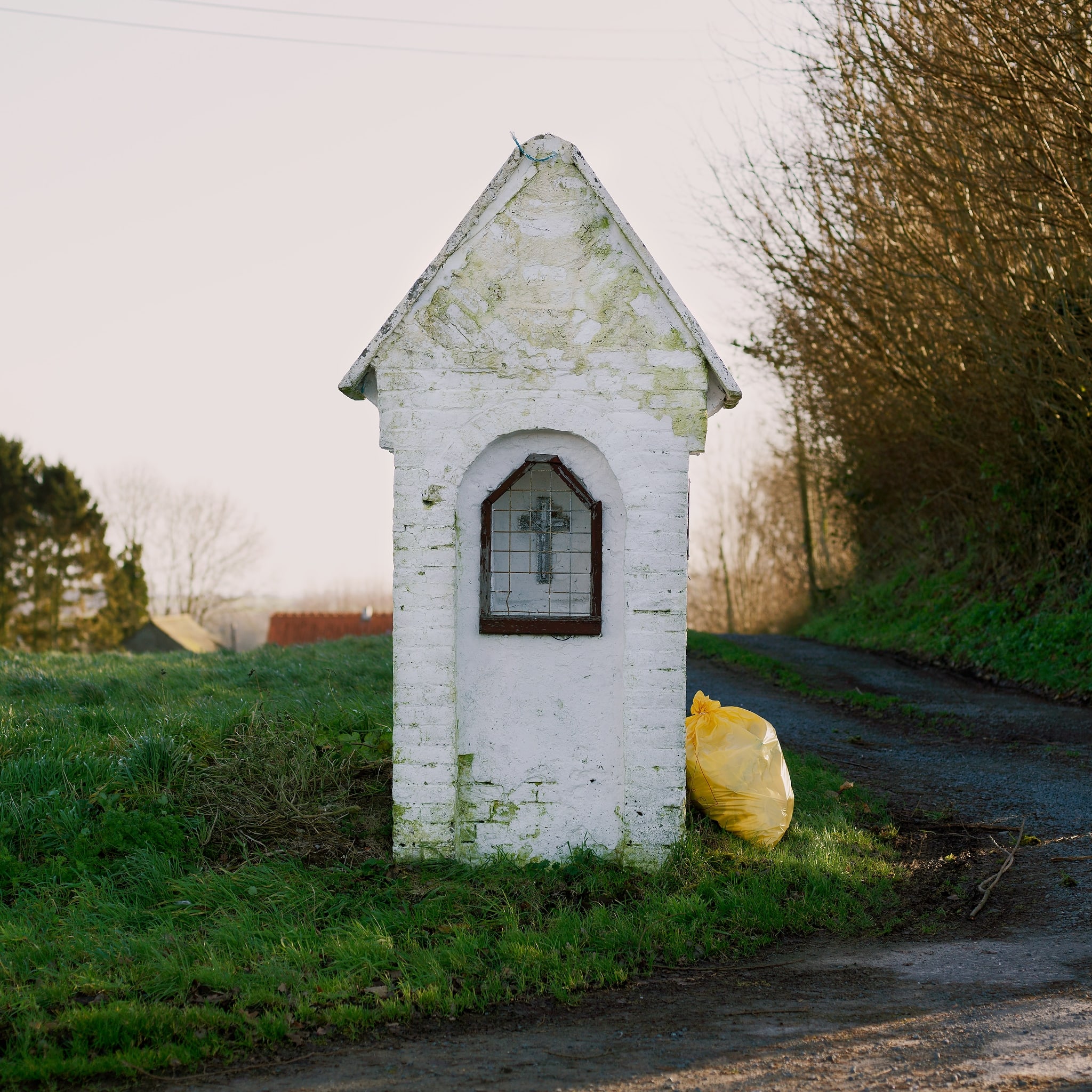
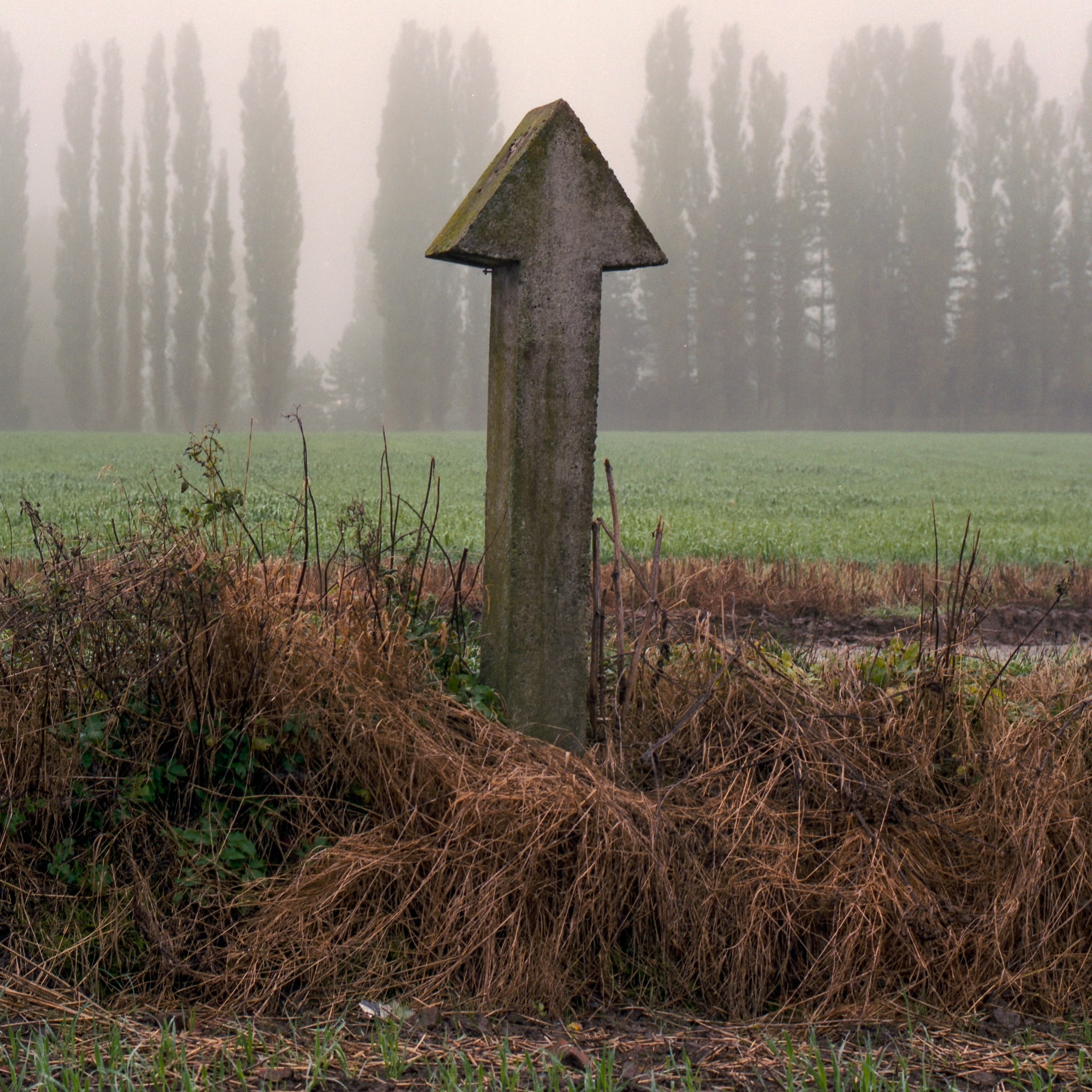
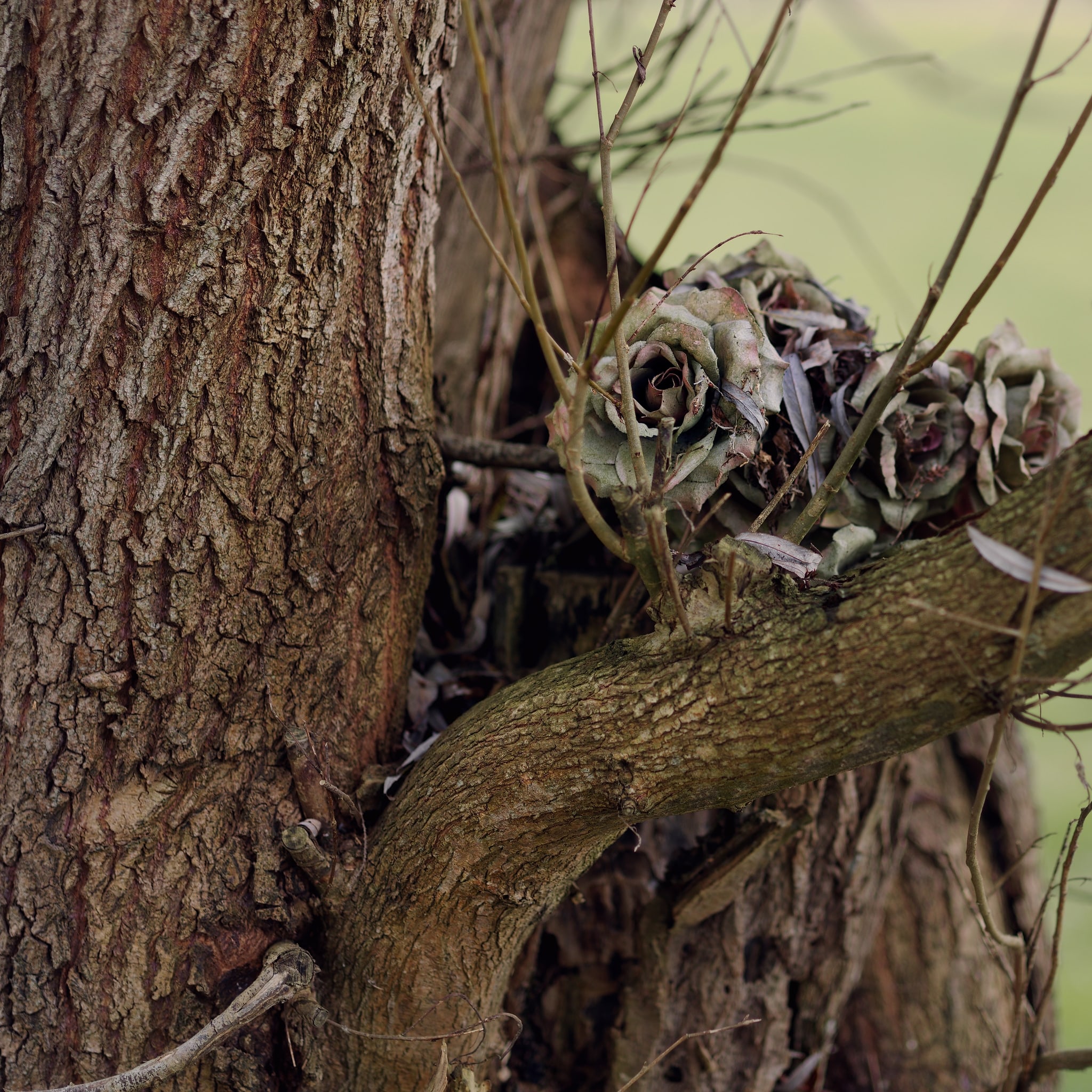
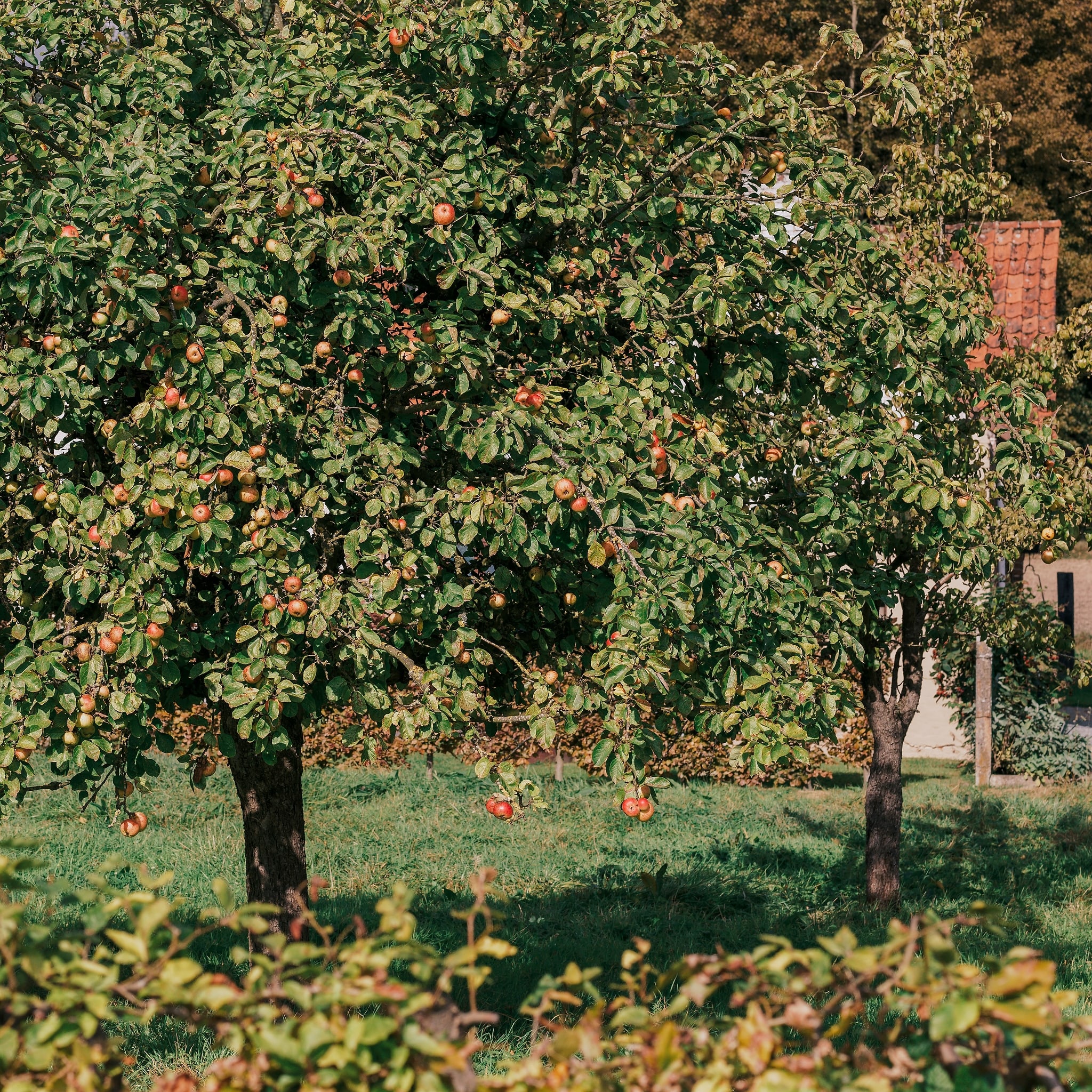
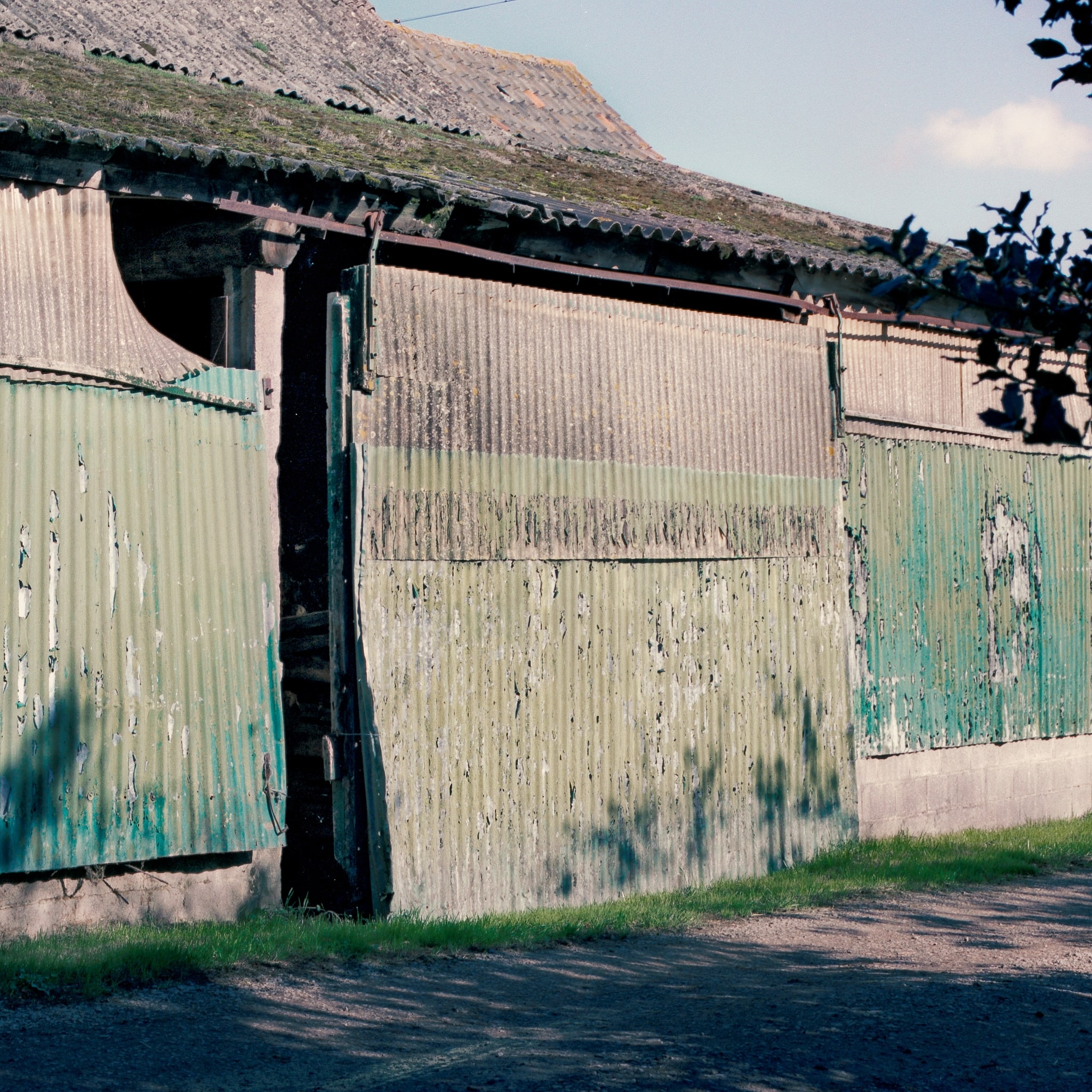
Man leaves his traces across these landscapes. Among them are constructions of all kinds, agricultural buildings, roads, paths, lonely trees, fields, and there are also places said to be sacred, to which a specific value has been attached. I reduce these elements to their architectural form, white, grafted by force into the landscape, or sometimes reclaimed by it, or forgotten by man.
I confront them with other, profane elements, just as forcibly grafted into the landscape and just as forgotten. I make the acquired presence of one answer to the other, both able to be reduced to a formal entity to which we lend social values, contemporary to their integration into the landscape, whether intentional or not.
These sacred elements had been raised for certain ends, and the relationship individuals once held with these spaces no longer exists as it was. What relationship do we have with these spaces today? Place creates identity; place has become passage, the landscape held at a distance by the roads that cross it.
Tourist guides, advertising and the images we produce all emphasise the contemplative aspect of a landscape, which amounts to the gaze of the individual himself.
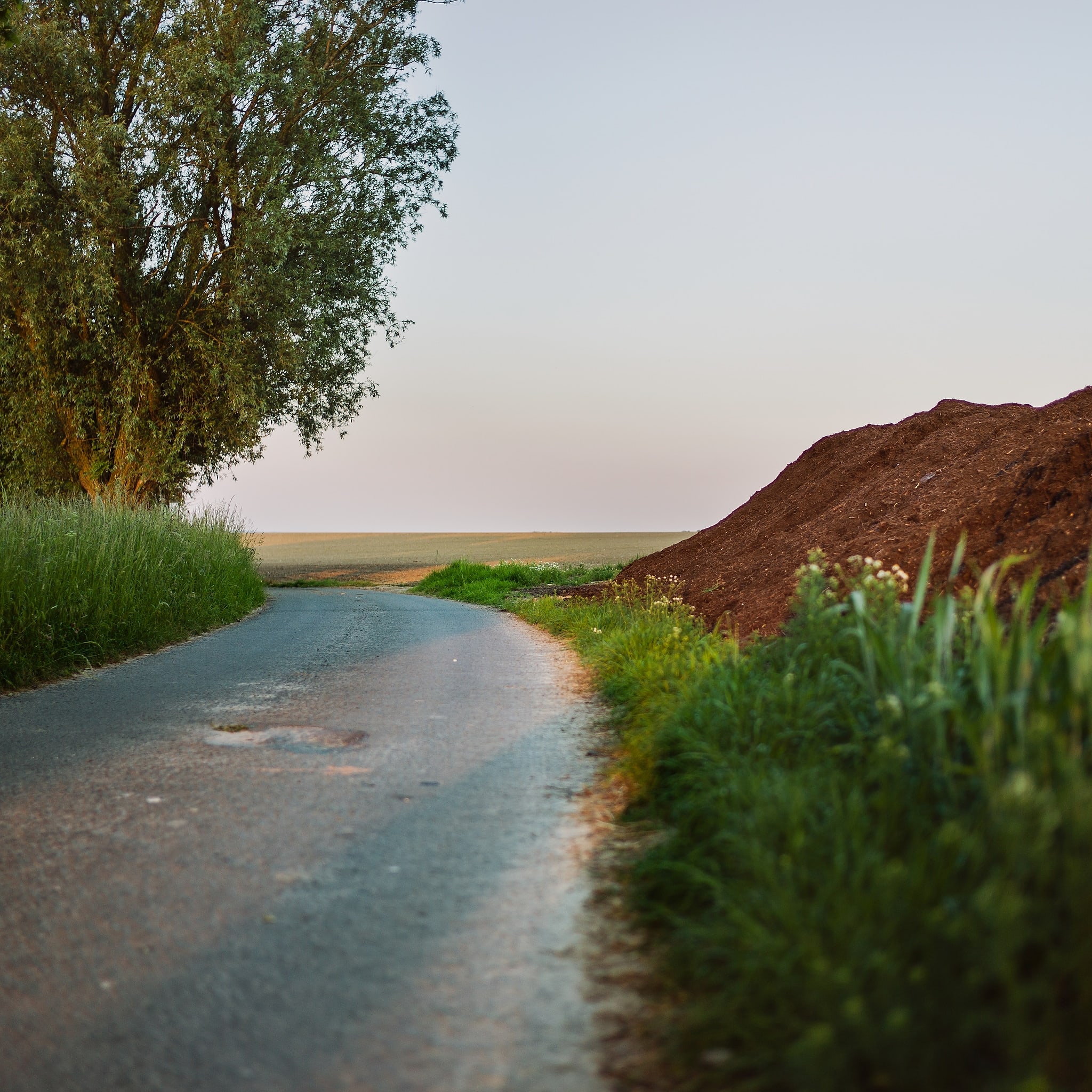
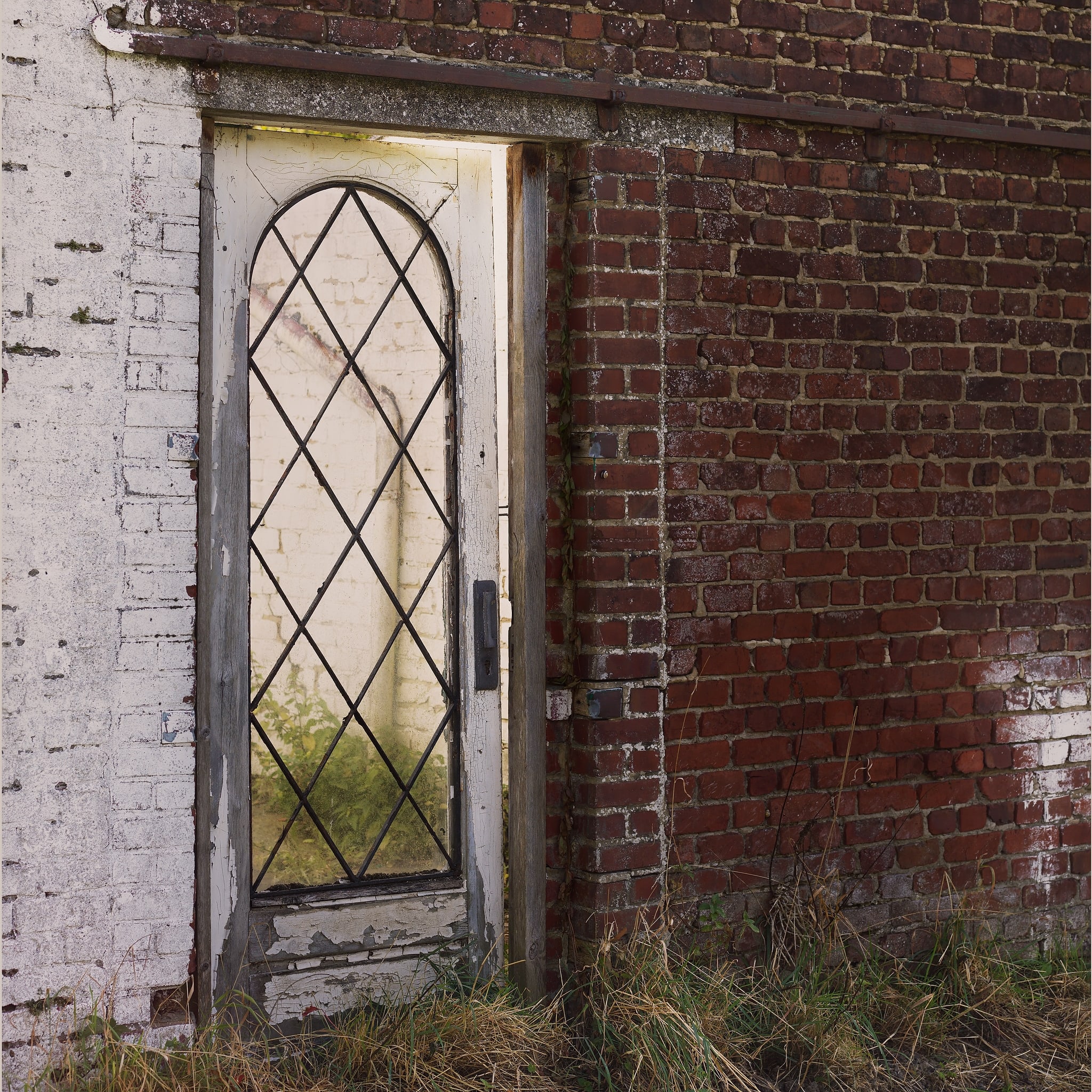
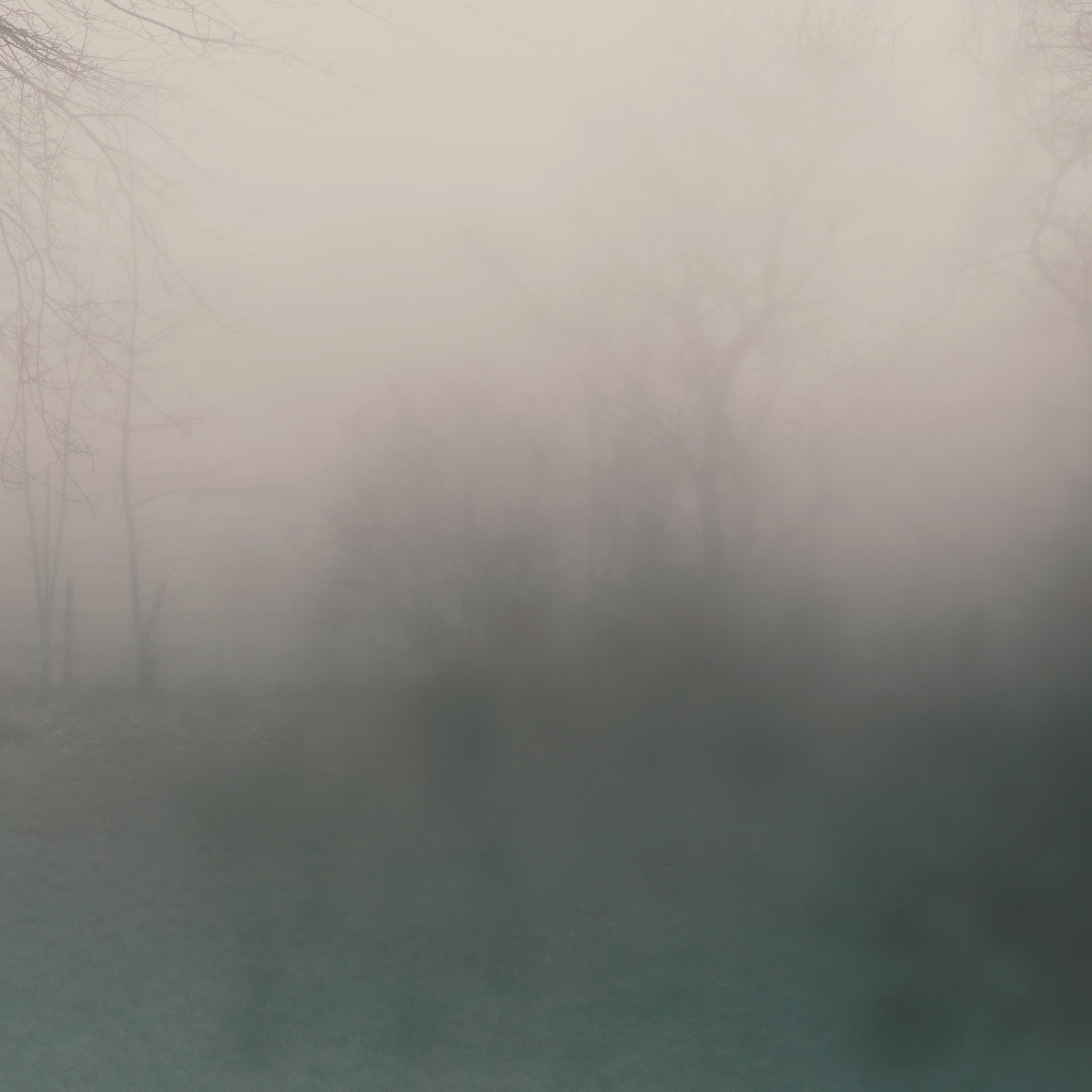
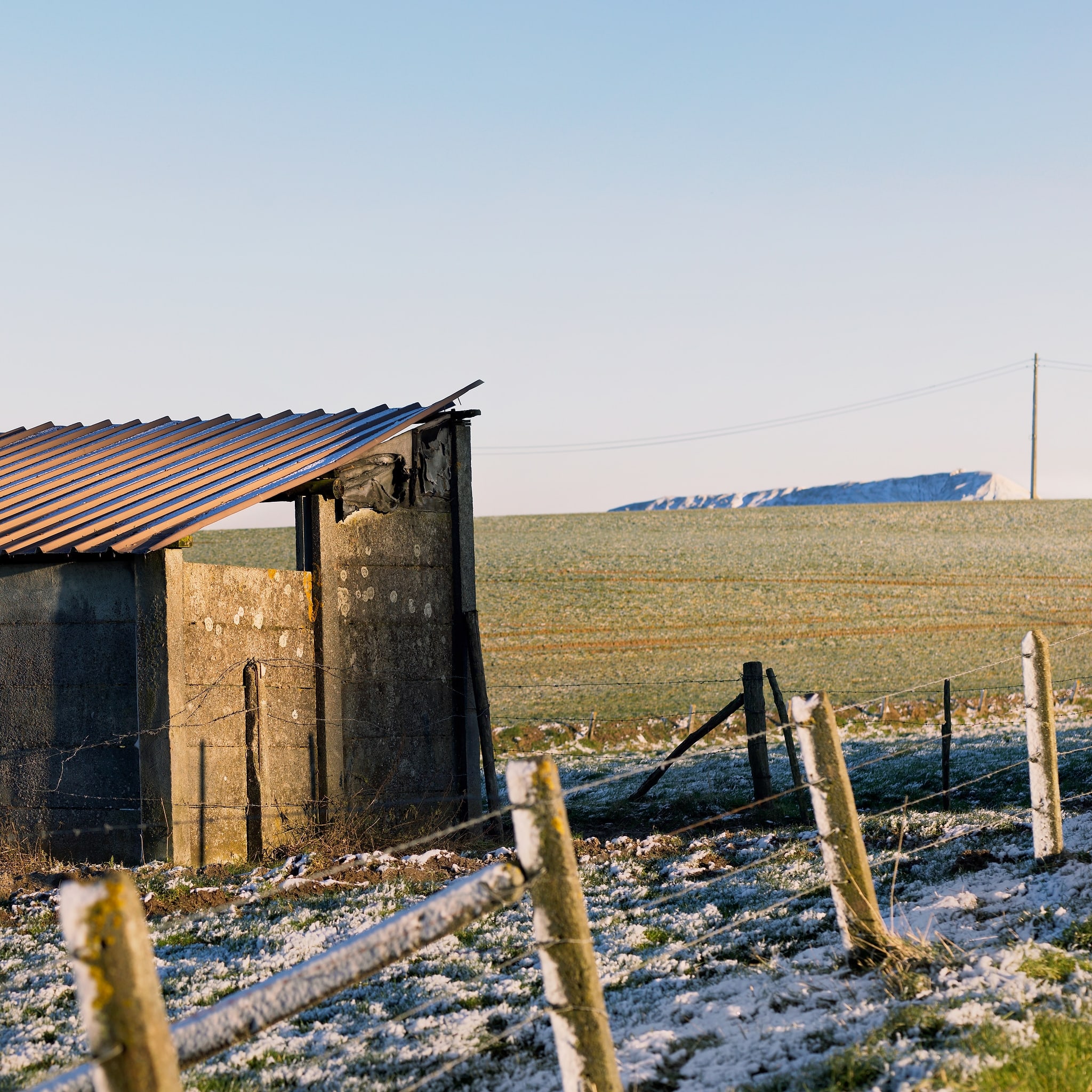
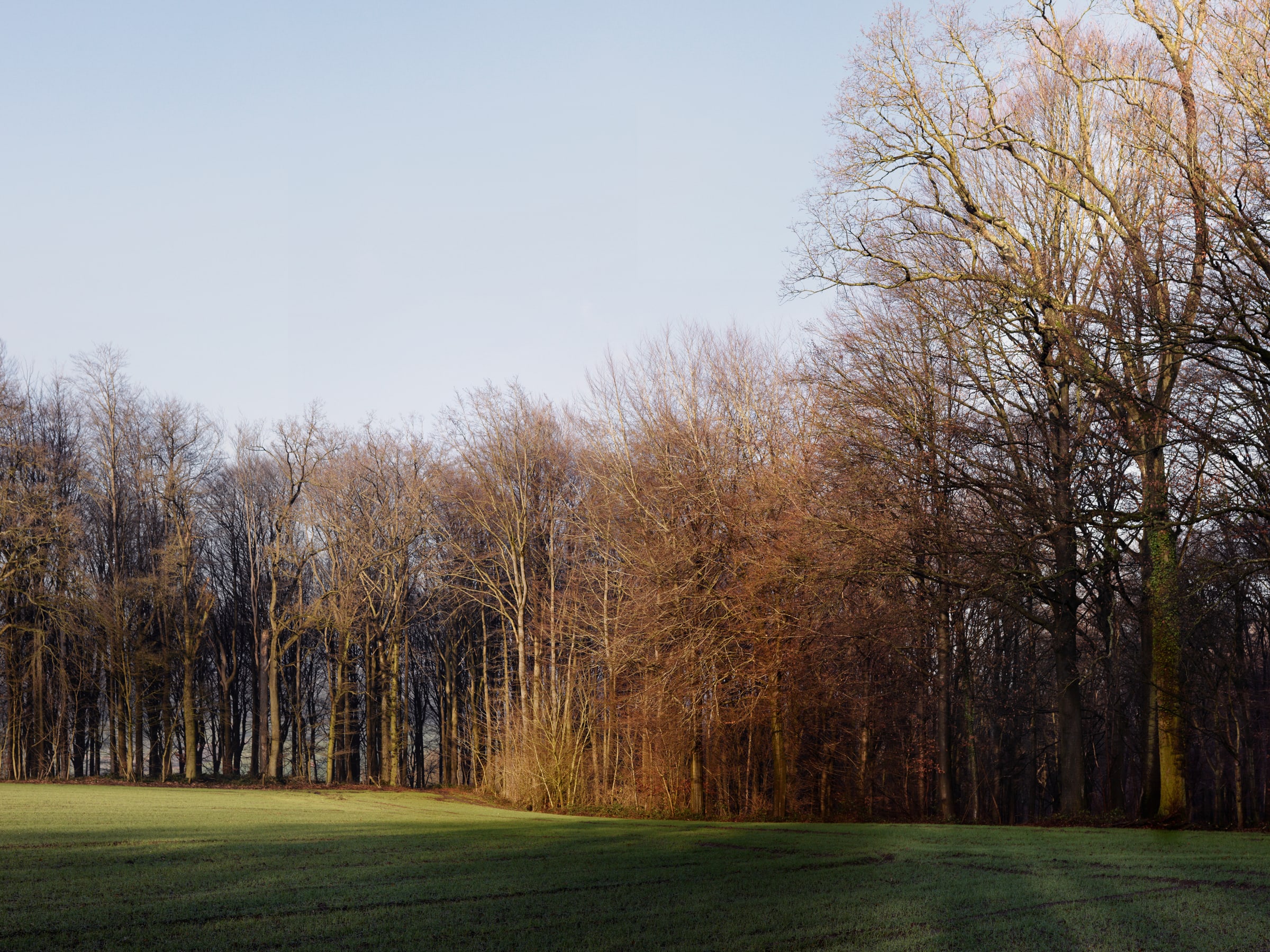
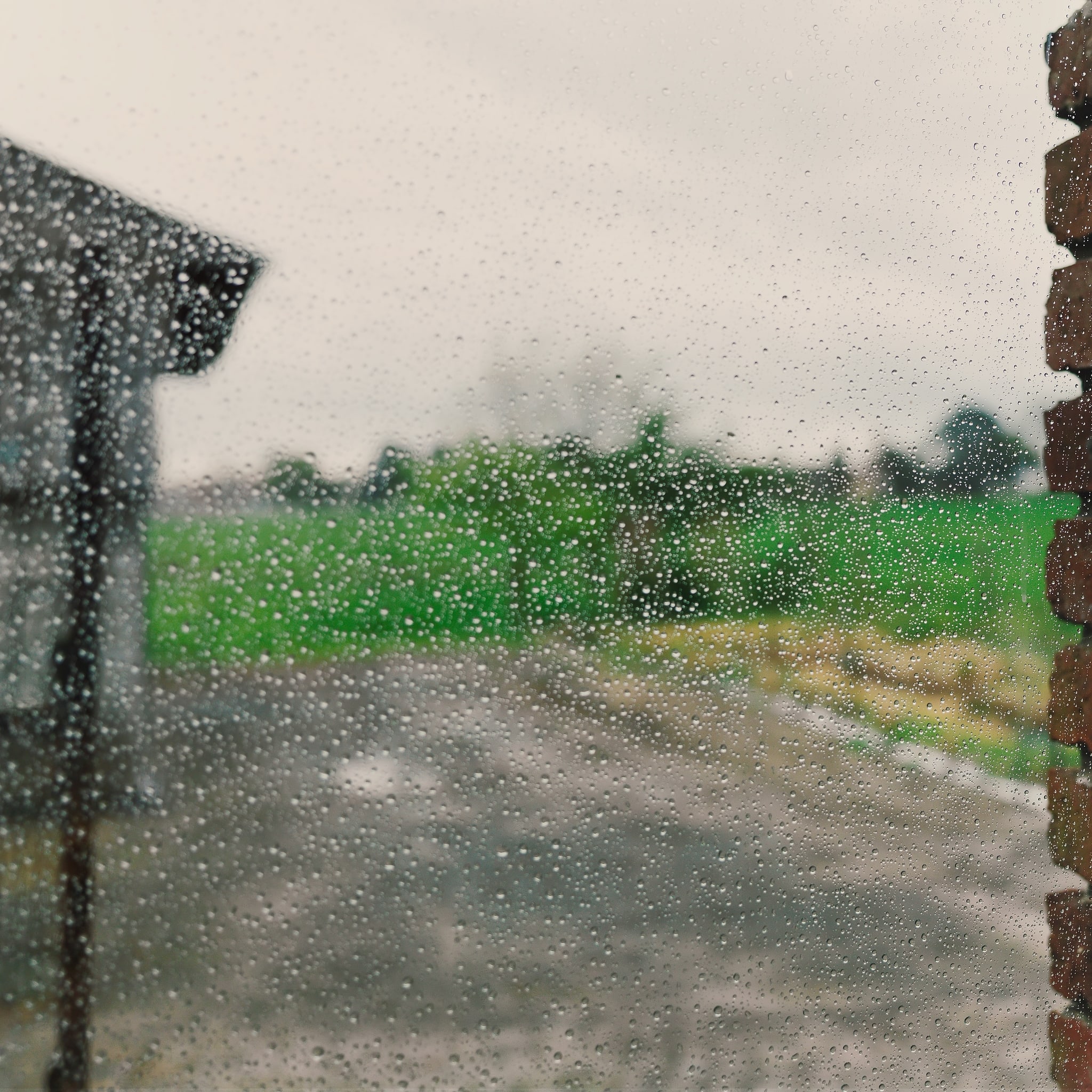
Do we really see the landscape as it is? Values make their way, mutate, influence one another. What lies behind this horizon where the sky (sacred) and the earth (profane) meet, or behind a door, a wall, a thick fog hiding a landscape about to come into being, a fence, a road? A temporality that seems frozen at our scale, a setting yet in the making, where the different layers intersect.






Technical
Series produced between 2013 and 2020, combining film and digital.